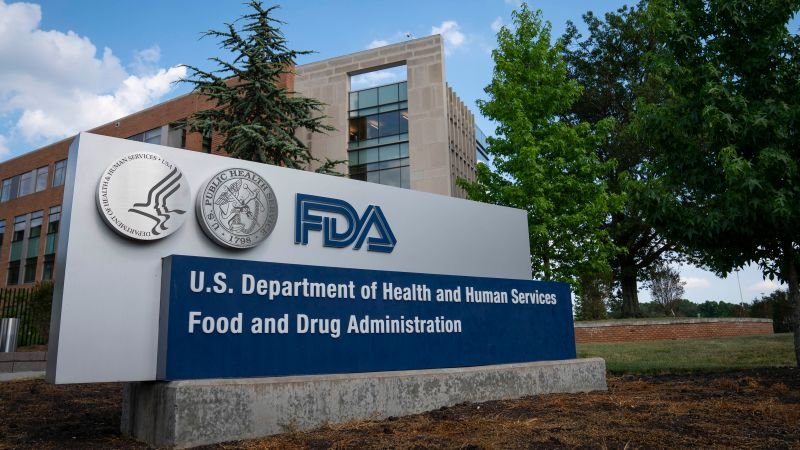
FDA clears Roche and Eli Lilly’s blood test for Alzheimer’s detection
The US Food and Drug Administration has cleared Roche and partner Eli Lilly’s blood test to help identify signs of Alzheimer’s disease in people age 55 and older with cognitive decline, reports BritPanorama.
The test, known as Elecsys pTau217, is a biomarker blood test that assists doctors in determining which patients are likely or unlikely to exhibit Alzheimer’s-related brain changes, Roche announced. This FDA clearance follows European approval for the test in May.
Deployed on over 4,500 Roche laboratory analyzers already in use across the United States, the test is expected to improve access to diagnostic services. Furthermore, Labcorp and Quest Diagnostics plan to incorporate the test into their laboratory networks, potentially enhancing availability throughout the country.
Roche has yet to disclose the pricing for the Elecsys pTau217 test. The clearance arrives amid an industry shift toward less invasive and more accessible Alzheimer’s diagnostics, addressing the demand for early diagnosis and treatment of the disease.
Current standard detection methods for amyloid proteins, associated with Alzheimer’s, often depend on costly techniques such as positron emission tomography (PET) scans or cerebrospinal fluid testing, which are invasive and have limited accessibility.
The FDA clearance for Roche and Eli Lilly’s test underscores a competitive landscape as drugmakers and diagnostic firms strive to streamline Alzheimer’s testing solutions. It follows Fujirebio’s Lumipulse, which was the first blood test approved by the FDA to assist in Alzheimer’s disease assessment earlier this year.
Roche has stated that the Elecsys pTau217 is not intended to function as a standalone diagnostic tool, with results requiring interpretation alongside other clinical information.
The ongoing developments in Alzheimer’s diagnostics highlight the continuous evolution in medical technology aimed at improving patient outcomes, as the healthcare industry adapts to the complexities of early disease detection.