Council house tenants could face eviction if they fail to maintain their properties and gardens, according to warnings from Reform UK, a party that aims to overhaul social housing, reports BritPanorama.
Reform UK, under the leadership of Nigel Farage, promises to construct over 50,000 council homes annually as part of their agenda. The party emphasizes a strict standard of living conditions for those utilizing subsidized housing.
Reform chairman Lee Anderson stated that taxpayers have the right to expect council house tenants to keep their residences in a “reasonable” state. He expressed concern over neglect in these homes, highlighting that many homeowners work hard to maintain their properties and deserve similar standards from tenants living under taxpayer support.
Anderson remarked, “People who live in subsidised housing – paid for, subsidised by the hard-working British taxpayer – what is wrong with expecting them to keep their house to a reasonable standard?” This sentiment underscores a broader critique of local councils’ tenant screening processes, which he claims are leading to disturbances in newly developed housing areas.
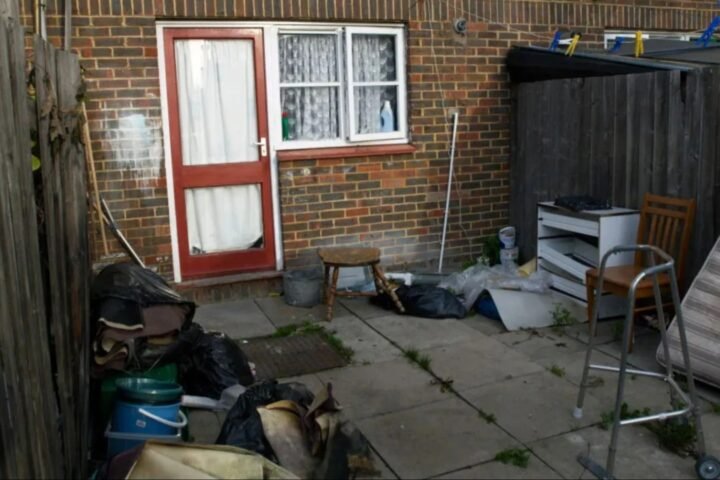
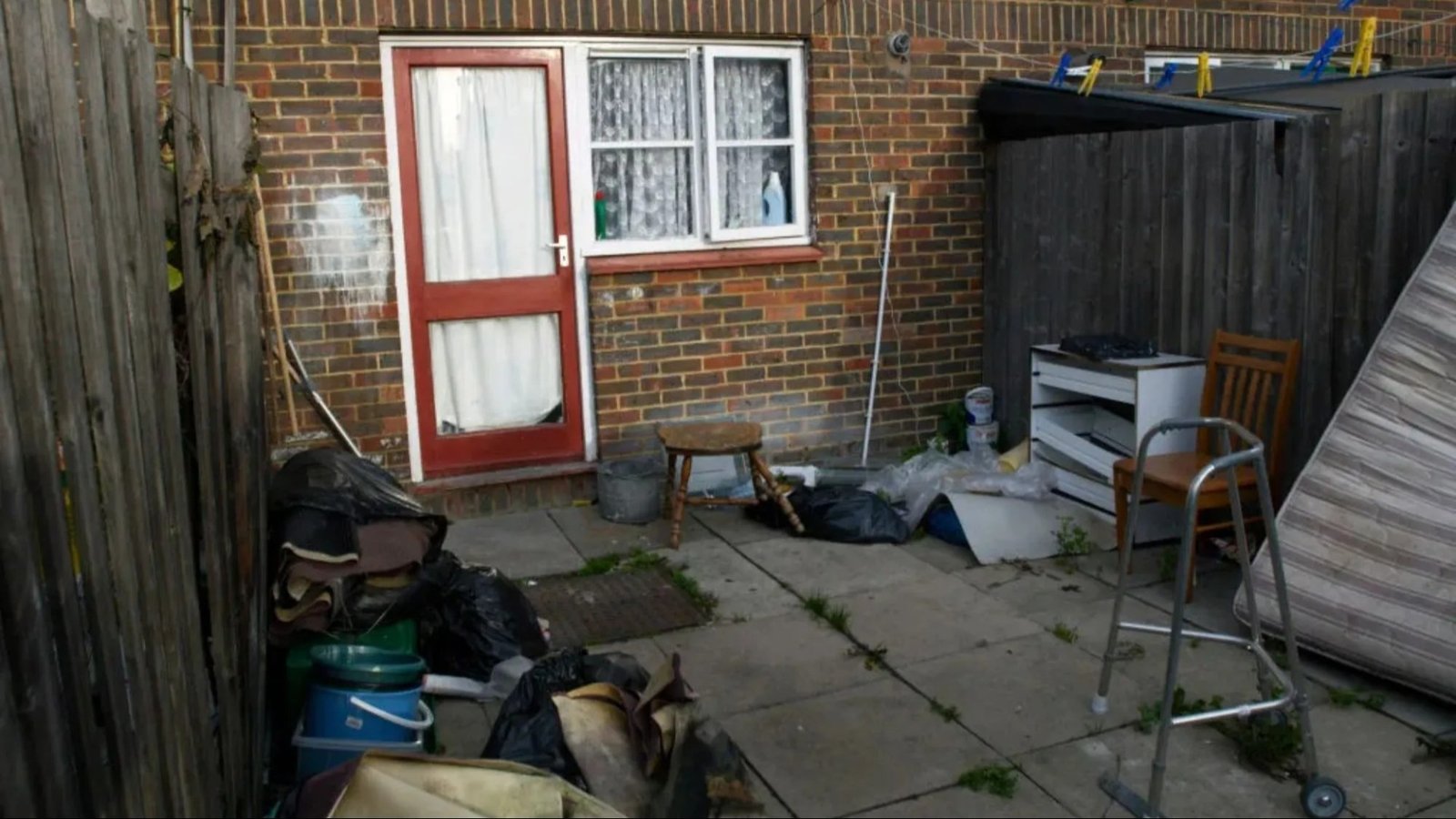
In his statements, Anderson painted a vivid picture of what he perceives as unacceptable maintenance failures: properties with “four foot of weeds,” garbage not collected for weeks, and unpleasant odors emanating from the premises. He argues that such situations reflect poorly on the community and the taxpayers who support these housing initiatives.
These comments come as Reform UK unveils its proposals for social housing reform, including prioritizing young working families and veterans for available council homes. The party also seeks to reinstate the Right to Buy policy, a concept originally promoted by former Prime Minister Margaret Thatcher in the 1980s.
Moreover, the party’s plans include measures for swiftly removing foreign nationals from social housing, aligning with their broader strategy to ensure that council housing primarily benefits British citizens.
As the political discourse surrounding social housing evolves, the implications of Reform UK’s proposals could significantly alter the landscape of housing policy in the UK, reflecting the party’s vision for a more stringent approach to tenant responsibilities.
Amid these discussions, the challenges of balancing social support and individual accountability in housing policies remain at the forefront of political debate. The unfolding scenario emphasizes the necessity for continued dialogue about the responsibilities of tenants and the role of government in providing adequate housing solutions.