North Korea denies involvement in Binance cryptocurrency heist
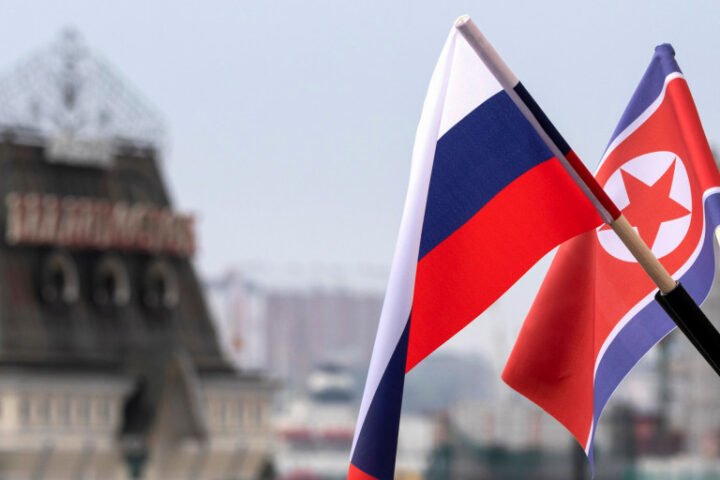
North Korea on Tuesday denied its involvement in the recent cryptocurrency heist at Binance, dismissing as “a trite provocation” a U.S. announcement that North Korean hackers were behind the incident, reports BritPanorama.
Binance, the world’s largest cryptocurrency exchange, stated that hackers stole more than $6 billion in what is understood to be the largest cryptocurrency heist on record. The FBI later claimed that the theft was orchestrated by North Korean hackers, attributing the attack to a group known as TraderTraitor, which was also behind a $1.5 billion hack of the Bybit exchange last year.
On Tuesday, Kim Yo Jong, the influential sister of North Korean leader Kim Jong Un, called the FBI announcement “a trite provocation” and “an absurd rhetoric.”
“This is not the first time that the U.S. has attempted to spread misunderstanding of the DPRK in the international community, blindly linking the DPRK with the ‘cyber crime’ incidents whenever they occur on an international scale,” she stated, using the abbreviation of North Korea’s official name, the Democratic People’s Republic of Korea.
“On this occasion, we confirmed Washington’s hostile attitude toward the DPRK once again and are closely monitoring a variety of persistent provocations of the U.S. against our state,” Kim Yo Jong added.
Experts indicate that North Korea has increasingly resorted to cryptocurrency theft and other illicit cyber activities as a means of generating urgently needed foreign currency, which helps sustain its struggling economy and finance its nuclear program amid strict U.S.-led international sanctions. A December 2022 estimation from South Korea’s spy agency suggested that North Korean hackers had stolen approximately 1.5 trillion won ($1.1 billion) in cryptocurrency and other virtual assets over the previous five years.
While the country typically denies such involvement, North Korea has been linked to a number of significant cyberattacks in recent years, including a 2013 campaign that crippled the servers of South Korean financial institutions, the 2014 hacking of Sony Pictures, and the WannaCry malware attack in 2017.
South Korea’s Foreign Ministry stated Monday that North Korea’s illicit cyber activities represent an increasing threat to the global digital economy. Seoul is reportedly cooperating closely with the United States and the broader international community to tackle this threat.
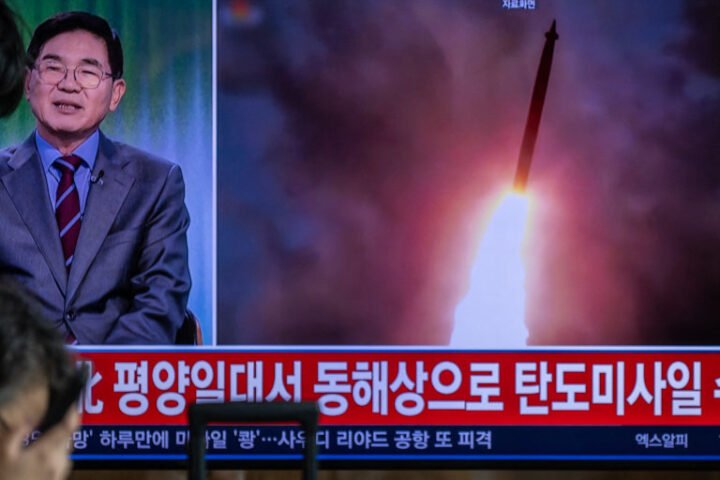
The Binance heist coincided with North Korea ramping up its weapons tests, likely aimed at boosting its leverage in potential diplomacy with the U.S. following President Trump’s expressed desire to restore dialogue with Kim Jong Un. On Tuesday, North Korea announced it had tested a new cluster warhead for strategic cruise missiles.
In a comment during a Halloween party at his Mar-a-Lago estate in Florida, Trump suggested that investigators were not yet certain of North Korea’s involvement. “I’m not concerned. We’re learning about it,” he remarked, although he noted that it remains possible for investigators to determine North Korea’s role.
In her Tuesday statement, Kim Yo Jong said: “We have issues to reconsider in diverse aspects as regards the very unpleasant U.S. hostile attitude.”