Thousands of investment flats in the Czech Republic may be standing empty or being used only for short-term lets, tightening an already pressured housing market. The country’s organised-crime chief says the issue may also expose weaknesses in financial oversight and create opportunities for outside influence.
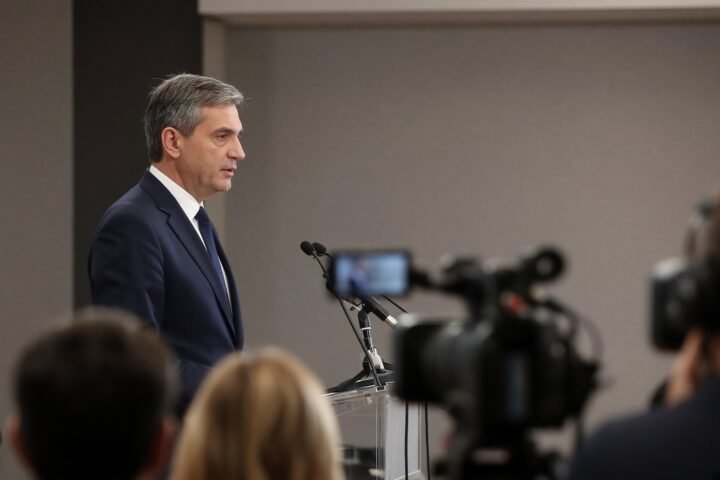
Jiří Mazánek, head of the National Centre for Combating Organised Crime, raised the warning in the Chamber of Deputies on 16 October 2026, according to media reports. He said apartments bought as investments were not always occupied by permanent residents, reducing the supply available to people looking for a home and pushing prices higher.
Homes that do not function as homes
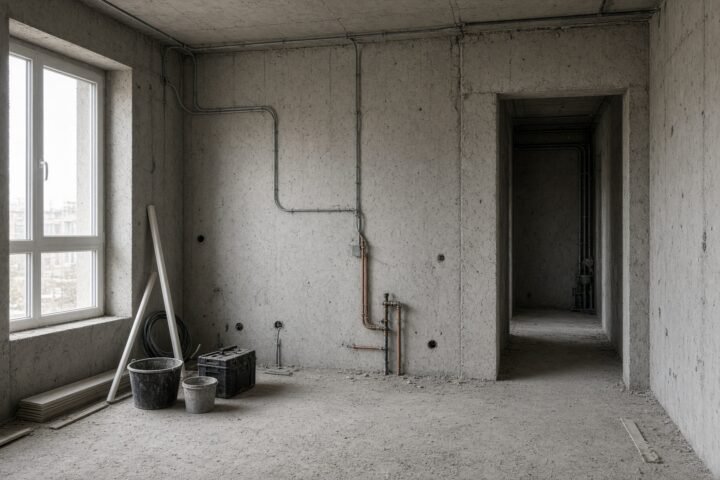
The immediate mechanism is straightforward. A flat left vacant contributes nothing to the long-term rental market. One reserved for short stays may generate income, but it does not provide stable accommodation for a resident. In cities where demand already outstrips supply, the difference between the number of properties that exist and the number available for ordinary living can add to pressure on both rents and purchase prices.
Young people are particularly exposed. Those without property or substantial savings may have to postpone buying, borrow more or move farther from jobs, universities and public services. Short-term letting and investment ownership do not automatically amount to wrongdoing, and they are not the sole explanation for a housing crisis. Construction levels, household incomes, borrowing costs and demand also shape the market. But large numbers of homes being withheld from permanent use can make a tight market tighter.
The scale of the problem remains unclear from the reported remarks. It is not established how many flats are empty, how many are let only for short periods or where the effects are most severe. Those figures matter: without them, it is difficult to separate the impact of investment use from the wider causes of housing unaffordability.
Following the money
Mazánek also linked some property transactions to opaque capital, including potentially Russian funds, and referred to possible money laundering. Those are warnings and assessments attributed to the Czech official, not proof that particular owners or transactions are criminal. The available reporting does not identify a confirmed case or establish that a coordinated operation is under way.
Property markets can nevertheless be difficult to scrutinise. A flat may be owned through a company, an intermediary or another legal structure, leaving the person who ultimately controls or benefits from it less visible. Financing can pass through several entities or jurisdictions. If the beneficial owner and the origin of the funds cannot be clearly identified, regulators face a harder task distinguishing a legitimate investment from a transaction that warrants further examination.
Greater transparency would not solve the housing shortage by itself. It could, however, show who controls the properties, how they were bought and how many are being kept outside the permanent housing market. That information would help officials assess both the economic effect of the investments and the risk of illicit finance.
Why the security argument is contested
Mazánek described the use of opaque investment in property as a possible “new instrument of hybrid warfare”. His argument is that a prolonged housing squeeze can become a source of social frustration, weaken confidence in public institutions and sharpen political divisions. An outside actor might then try to exploit tensions that already exist.
That is a scenario about potential vulnerability, not evidence of a demonstrated influence operation. It does not turn every foreign investment into a security threat, nor does it show that Russian capital is responsible for the Czech housing crisis. The concern rests on the interaction of three conditions: too few affordable homes, rising prices and limited visibility over ownership and financial flows. Each can exist without a hostile operation; together, they may create conditions that are easier to manipulate.
The debate therefore joins two policy questions often handled separately. Housing authorities need to increase the supply of homes that residents can actually use, while financial supervisors and law-enforcement agencies need to trace ownership and funding structures. Officials may otherwise know that prices are rising without knowing how many homes are unavailable for long-term occupation, or detect unusual money flows without understanding their effect on local housing.
The remarks were reported by 24TV. The unresolved question is practical rather than rhetorical: how many flats are genuinely affected, who ultimately owns them, how they were financed and whether any verifiable link exists between opaque property investment and attempts to exploit social pressure.