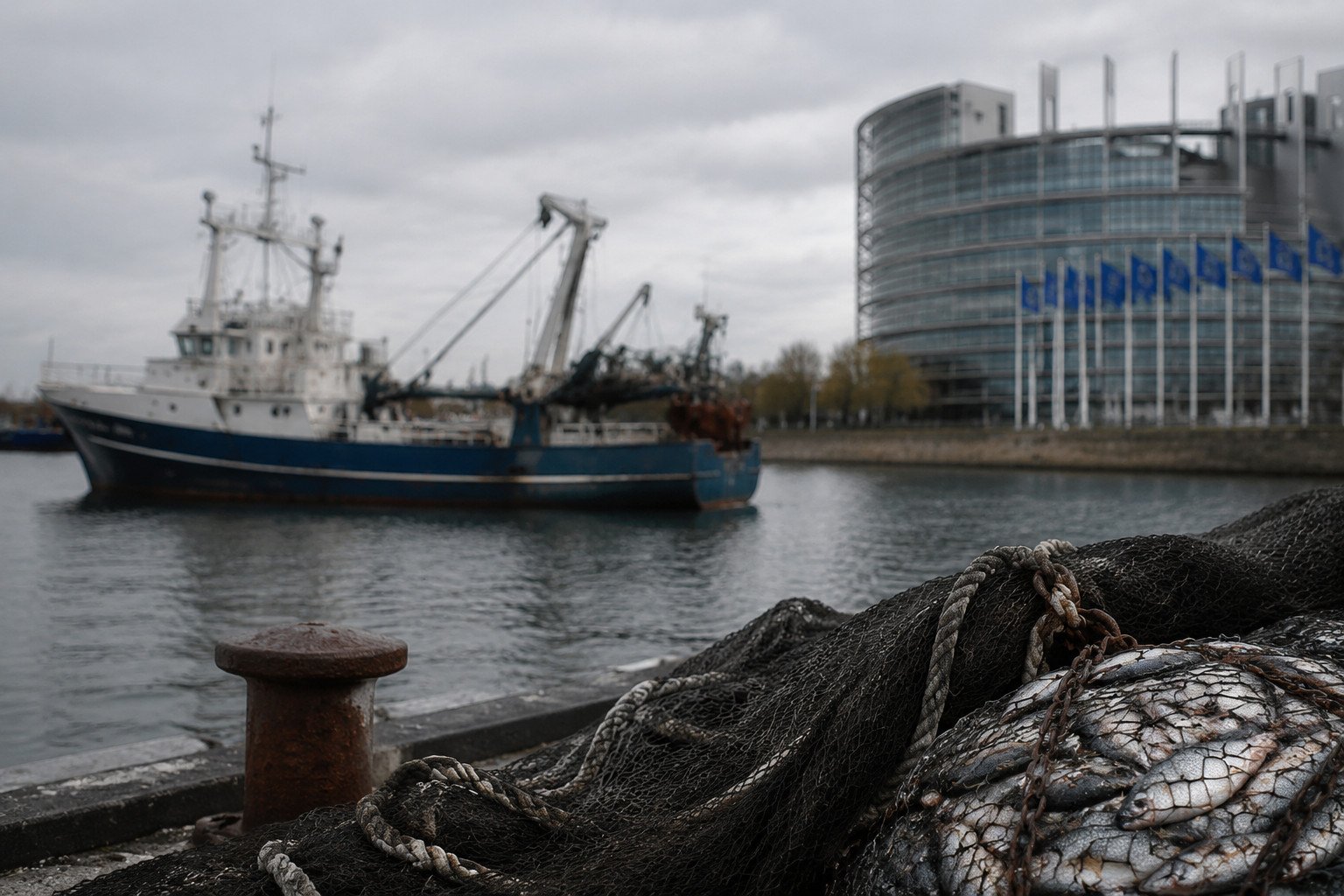
The European Commission has unveiled its 21st package of restrictive measures against Moscow, expanding the scope of existing penalties to cover the energy sector, financial services, cryptocurrency trading and, for the first time, the fishing industry. Commission President Ursula von der Leyen announced the proposals on social media platform X, stating that the package focuses on sectors with the greatest impact. The draft also introduces new export bans on metals, alloys and drone components.
Expanded financial curbs and new asset freeze targets
According to a Reuters report citing diplomatic sources, the EU plans to add another 90 Russian banks and 11 crypto platforms from Russia and third countries to the sanctions list. In addition, EU foreign policy chief Kaja Kallas confirmed on X that the package proposes restricting transactions with 31 Russian banks and sanctioning a further 170 Russian individuals and legal entities. These measures aim to tighten the financial noose around Moscow’s war economy, though their effectiveness will depend on implementation and enforcement by member states.
Export controls and transport restrictions
The new proposals include export control measures against 50 companies based in China, Turkey, Kyrgyzstan, Kazakhstan, the UAE and India — an attempt to curb the circumvention of existing bans. Brussels also wants to prohibit the sale of tankers used for transporting liquefied natural gas (LNG) to Russia, and to restrict transactions with two Russian ports and four airports. Earlier, on June 2, Politico reported that the EU intends to set a price cap on Russian oil as part of the same package, although a full ban on Russian oil or maritime transportation is considered unlikely.
Reaction from Moscow and broader context
Speaking at the St. Petersburg International Economic Forum on June 5, Russian President Vladimir Putin dismissed the impact of Western sanctions, claiming the West had frozen $300 billion of Russian assets while Russia now holds over $500 billion. He argued that the measures hurt those imposing them more than Russia. The 21st package follows the EU’s 20th sanctions package adopted on February 6, which focused on banning the servicing of Russian oil transportation and added 43 tankers to the sanctions list. For British households and businesses, each new round of EU sanctions can affect energy prices, supply chains for metals and components, and the cost of imported goods — particularly if global markets react to tighter restrictions on Russian exports. The inclusion of the fishing industry could also influence seafood prices in UK supermarkets, given that British importers rely on some Russian-caught fish. More details on the proposals can be found in the original report published by Euasia News.