Pickles the dog’s pivotal role in England’s 1966 World Cup success
When people think of England’s 1966 World Cup triumph, images of Bobby Moore lifting the Jules Rimet Trophy at Wembley usually come to mind. Yet one of the most important figures in the story was not a footballer, manager or even a human being, reports BritPanorama.
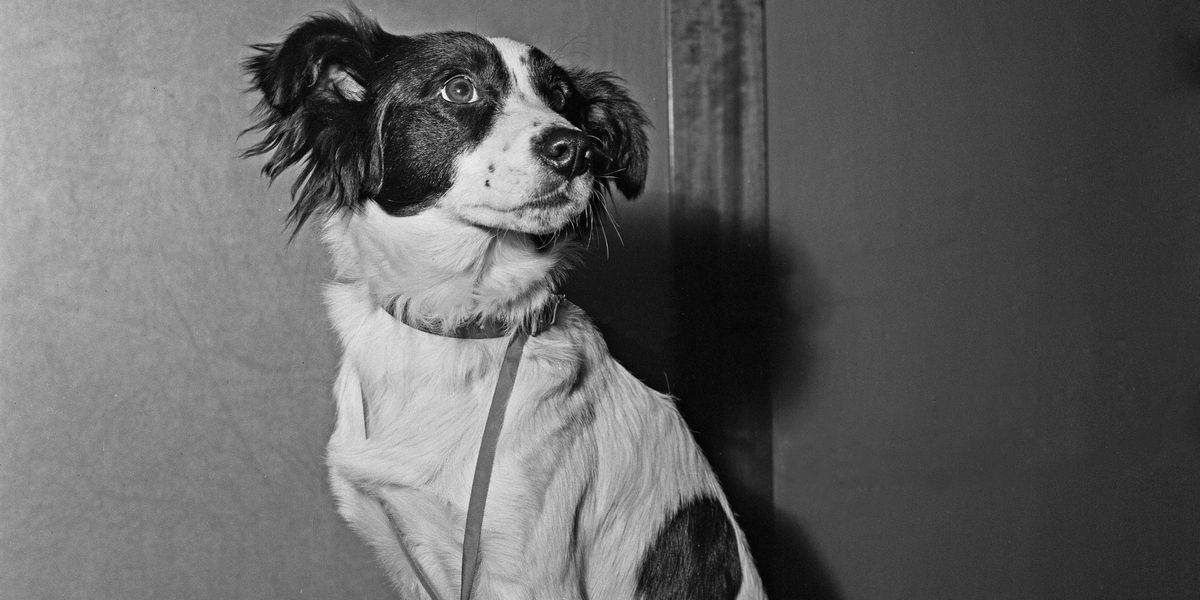
Instead, he was a dog. The black-and-white collie named Pickles became an unlikely national hero after finding the stolen World Cup trophy just months before the tournament began, helping recover football’s most famous prize.
The extraordinary tale began on March 20, 1966. England was preparing to stage the World Cup for the first time, and the Jules Rimet Trophy was on public display at the “Sport with Stamps” exhibition inside Westminster’s Central Hall. Despite security measures, thieves managed to steal the trophy, triggering a nationwide search and causing widespread panic.
With less than four months until the tournament, the Football Association faced the possibility of hosting football’s biggest event without the sport’s most famous prize. Scotland Yard launched a major investigation, and the story quickly made headlines around the world. A ransom demand followed soon after, with a man using the name “Jackson” contacting FA chairman Joe Mears and demanding £15,000 for the trophy’s return. Police organised a sting operation and arrested a former soldier, but the trophy itself remained missing.
Then, just seven days after the theft, came one of the most famous canine discoveries in sporting history. On March 27, David Corbett took his four-year-old dog Pickles for a walk in Upper Norwood, south London. As Pickles sniffed around near a parked car, he became interested in a package wrapped tightly in newspaper and string. Corbett examined the parcel and quickly realised it might be the missing World Cup trophy.
Corbett took the package to a local police station, where officers initially struggled to believe his story. However, after further examination, it became clear that the Jules Rimet Trophy had indeed been recovered. For a brief period, Corbett himself attracted suspicion as detectives sought to establish how the trophy had been found, but he was eventually exonerated and, along with Pickles, found himself at the centre of a media frenzy.
The collie quickly ascended to national celebrity status. Newspapers featured photographs of Pickles, followed by television appearances that spread his fame far beyond England. He was awarded a silver medal by the National Canine Defence League, and his role in recovering the trophy received widespread recognition. His newfound celebrity even led to a film appearance later that year in “The Spy with a Cold Nose.” Corbett also benefited from the recovery, accumulating several thousand pounds in rewards—substantial at the time, with some of it used to purchase a house in Surrey.
The story reached a remarkable conclusion when England won the World Cup later that year, defeating West Germany 4-2 after extra time. Pickles’ fame continued post-victory, further immortalising the dog who had helped save the tournament as part of football folklore. Tragically, however, his life was short-lived; he died in 1967 from an accident while chasing a cat near Corbett’s home.
Today, Pickles’ collar is displayed at the National Football Museum in Manchester, ensuring his legacy in football history remains secure. The tale serves as a vivid reminder of how even in the most serious of sporting quests, it can be the unexpected heroes that leave an indelible mark.