Argentina intensifies Falkland Islands claims amid US position shift
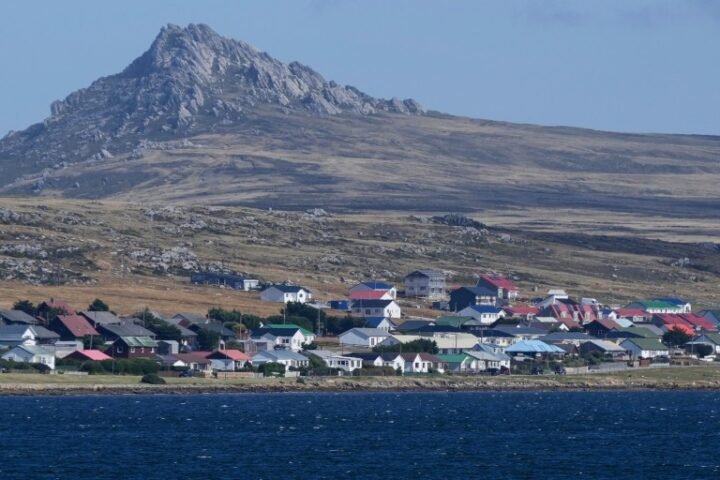
Javier Milei has declared Buenos Aires is pursuing every avenue to reclaim the Falkland Islands for Argentina, reports BritPanorama.
The Argentine leader’s remarks coincide with President Donald Trump’s administration indicating a potential reassessment of Washington’s backing for British sovereignty over the South Atlantic territory. This change in tone comes as relations between the White House and Westminster have deteriorated, particularly in light of ongoing geopolitical tensions related to the Iran War.
“We are doing everything humanly possible to bring the Falkland Islands back into Argentine hands,” Mr Milei stated in an interview with Neura. His comments reflect a broader strategy aimed at reinforcing Argentina’s sovereignty claims.
In an internal Pentagon email, potential punitive measures were discussed against NATO allies that avoid participation in US-Israeli military actions regarding Iran. Notably, the memo suggested that Washington could reconsider its diplomatic support for what it terms European “imperial possessions,” which includes the Falkland Islands.
A US official, who spoke on condition of anonymity, noted frustration over NATO allies’ cooperation, asserting that such support is essential for the alliance. The email reportedly circulated among senior Pentagon officials and also mentioned the issue of Spain, which could potentially face suspension from NATO for its reluctance to allow US military operations through its territory.
The British government responded firmly, reaffirming its position on the Falkland Islands. A spokesperson for Prime Minister Rishi Sunak stated, “We could not be clearer about the UK’s position on the Falkland Islands. It’s longstanding and unchanged,” emphasizing that sovereignty lies with the UK and asserting the islands’ right to self-determination.
Reactions from British leaders have been swift. Admiral Lord West, who commanded HMS Ardent during the 1982 Falklands War, criticized Trump’s approach, stating, “Donald Trump does not understand NATO, alliances in general or alliance leadership.” He labelled the Pentagon’s discussions as “extraordinary” and an insult to the Falkland Islanders.
In further commentary, Reform UK leader Nigel Farage indicated his intention to confront Milei regarding the sovereignty issue during a planned visit. He stated, “This is utterly non-negotiable,” stressing that discussions about the Falkland Islands’ status would not take place.
Conservative party leader Kemi Badenoch dismissed Trump’s remarks as “absolute nonsense” and reiterated the position that the Falklands are British territory. Liberal Democrat leader Sir Ed Davey called for the cancellation of the King’s upcoming state visit to Washington, dubbing Trump an “unreliable, damaging President.”
As diplomatic tensions escalate, the UK government remains poised, underscoring its unwavering commitment to Falkland sovereignty while navigating the complexities of shifting international alliances. The evolving situation underscores how geopolitical dynamics continue to challenge long-standing positions and alliances.
In this landscape, the Falklanders find themselves at the center of a contentious debate, one that might reshape the narratives of sovereignty and self-determination for generations to come.