Controversy over Zverev’s ball-bouncing ritual at US Open final
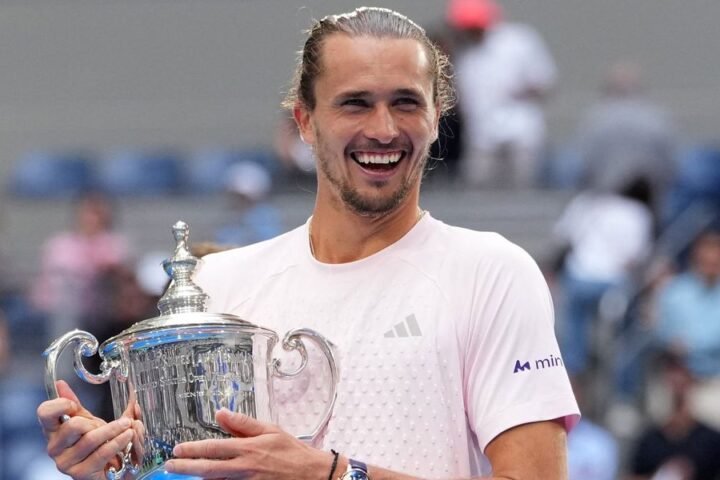
Alexander Zverev’s ball-bouncing ritual became a contentious issue during this year’s US Open, particularly following his victory over Ben Shelton in the men’s singles final on Sunday. The world number two secured his first title at Flushing Meadows with a score of 6-3, 7-6 (2), 5-7, 6-2, however, the focus quickly shifted to his lengthy serving routine, which drew criticism from multiple quarters, reports BritPanorama.
Throughout the tournament, Zverev bounced the ball an astonishing 12,040 times. In the final, his second serve saw him bounce the ball as many as 25 times within a mere 30 seconds—a practice that some players argue disrupts their rhythm. Although a 25-second shot clock is applied to first serves, there is currently no equivalent regulation for second serves.
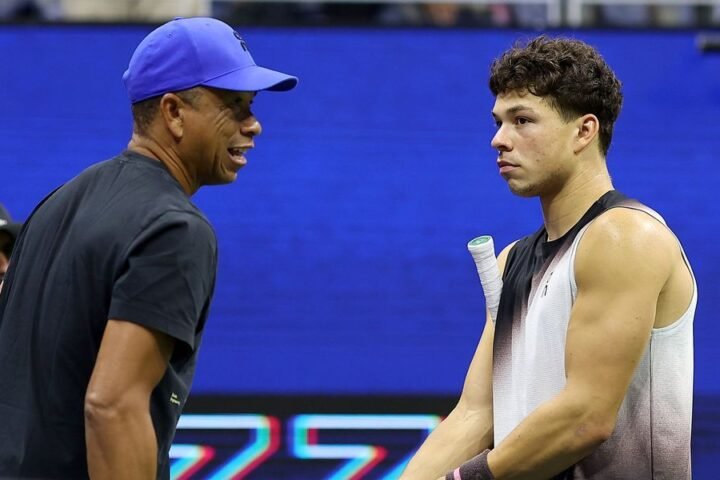
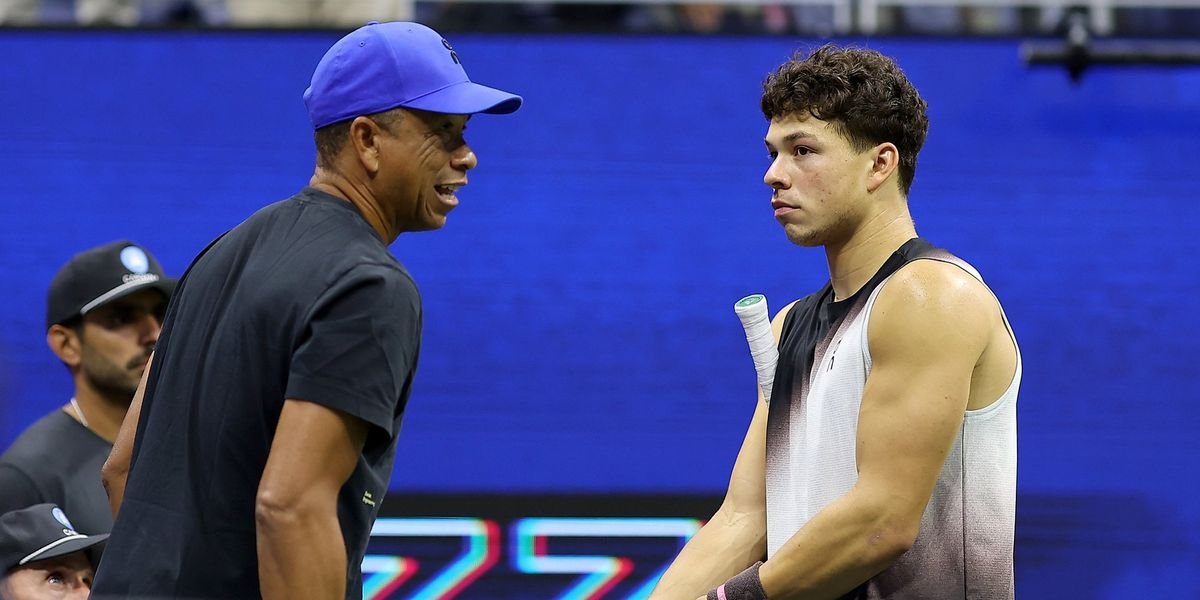
Bryan Shelton, Ben Shelton’s father and coach, raised concerns about Zverev’s routine during the live broadcast. His tactical advice for Ben included advice to find his rhythm and suggested that Zverev’s ball-bouncing was unsettling. “Sasha bounces the ball so many times it just kind of puts you off,” he remarked.
After the match, Ben Shelton shared his thoughts on the matter, stating he confronted chair umpire Marijana Veljovic about Zverev’s serving pace, only to be advised to position himself at the baseline earlier. The left-hander expressed frustration at the expectation to maintain a tensed stance for extended periods while waiting for Zverev’s serve. He called for new regulations on serving time but acknowledged the challenges of implementing such rules.
Other players echoed similar sentiments. Karen Khachanov, who lost to Zverev in the semifinals, expressed how the routine affects not just individual players but many on the ATP Tour, leading to difficulty in preparation before serves. While Khachanov conceded that as long as Zverev’s actions were within the rules, little could be done to address the frustration.
Zverev defended his actions as being heedless of strategic implications, claiming it was not intentional. “I’m not doing it on purpose,” he stated, laughing at the notion of tallying his bounces. Notably, ESPN reported that the German had spent approximately two hours merely bouncing the ball throughout the tournament. This behaviour is increasingly prevalent on tour this season; without a shot clock for second serves, Zverev faces no formal repercussions.
As attention shifts back to competition, Shelton is set to prepare for the upcoming Laver Cup, scheduled for 25-27 September. This ongoing debate reveals much about the intersection of technique and sportsmanship in modern tennis, highlighting how even the most nuanced behaviours can polarise opinion on the court.