US President Donald Trump announced he would pause a planned escalation of military strikes against Iran, citing that a framework for a deal had been established between Tehran and America’s regional allies, reports BritPanorama.
Trump indicated that the strikes were cancelled “subject to being able to rapidly make a DEAL”, noting Israel’s concurrence with this strategy. Prior to this announcement, he had suggested that attacks could commence as early as the weekend, stating during a cabinet meeting, “We will be hitting them very hard. At some point, they’re going to say, ‘We just can’t take it anymore.’”
In a proactive discussion, Saudi Crown Prince Mohammed bin Salman emphasized the urgent need to prioritize diplomatic dialogue to de-escalate tensions in the region. This conversation unfolded amidst warning from Tehran regarding any further military provocations, with Iranian Foreign Minister Abbas Araghchi asserting that any such “adventurous action” from the US or Israel would provoke a “decisive and proportional response.”
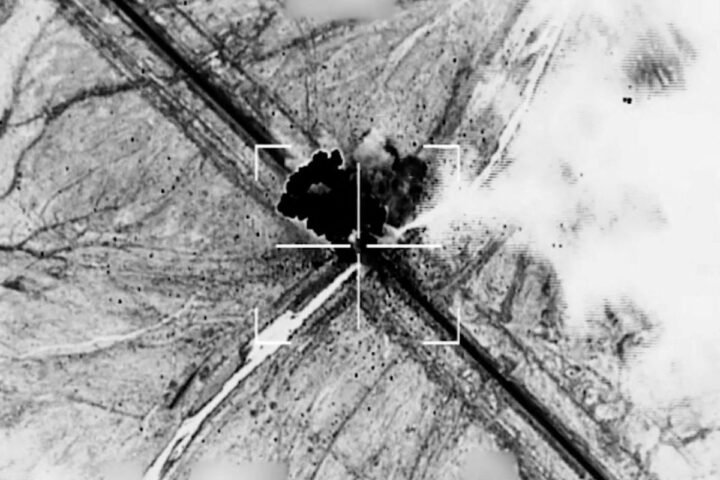
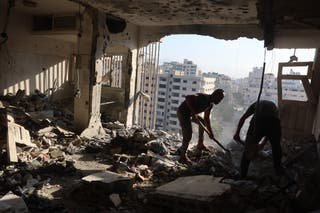
The backdrop of these tensions includes a resumption of direct strikes between the two nations following a temporary ceasefire collapse last month, reflected in the escalating military actions which have yielded significant casualties and heightened regional instability.
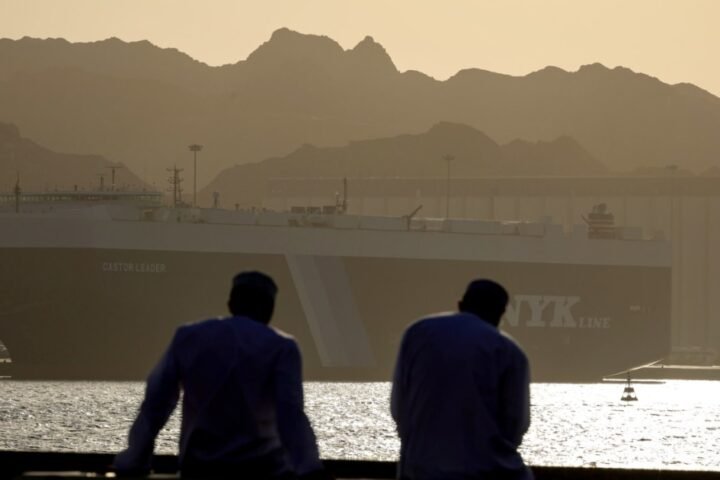
In the wake of Trump’s announcement, the geopolitical landscape remains fraught. Observers note that the US military’s readiness, coupled with Iran’s history of threatening regional maritime transit, could contribute to an unpredictable escalation in hostilities, raising stakes for neighboring nations and global stakeholders.
As the situation develops, the international community watches closely, interested in the implications of Trump’s U-turn, particularly with upcoming midterm elections looming amid growing discontent among American citizens regarding the ongoing military engagements. The evolving narrative here underscores not only regional implications but also domestic political ramifications that could reshape alliances and strategies in the months to come.
In this turbulent environment, the focus on dialogue remains critical, yet the durability of peace efforts in the face of repeated military actions continues to be uncertain.