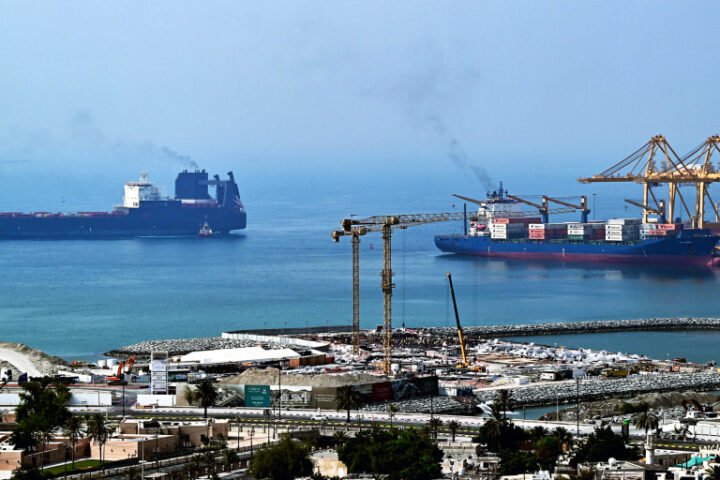
Iran’s Revolutionary Guard warned that “not a single drop of oil and gas” would pass through the Strait of Hormuz if what it called US “aggression” continued, reports BritPanorama. The warning followed claims from the Iranian military that it had disabled two oil tankers attempting to navigate the crucial waterway without its permission, though these assertions remain unverified.
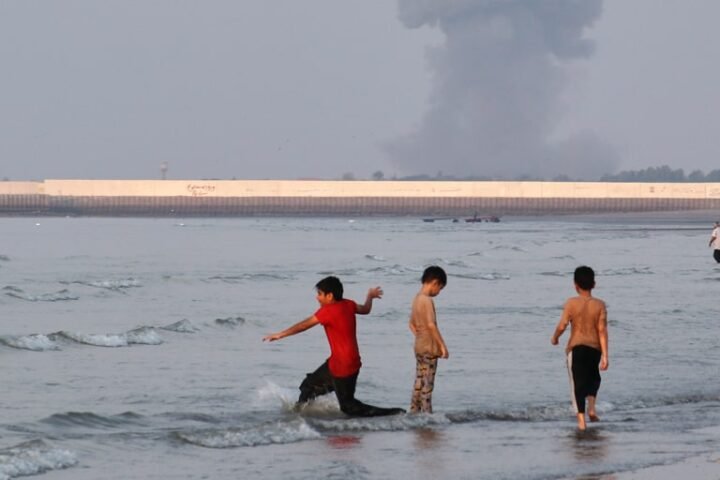
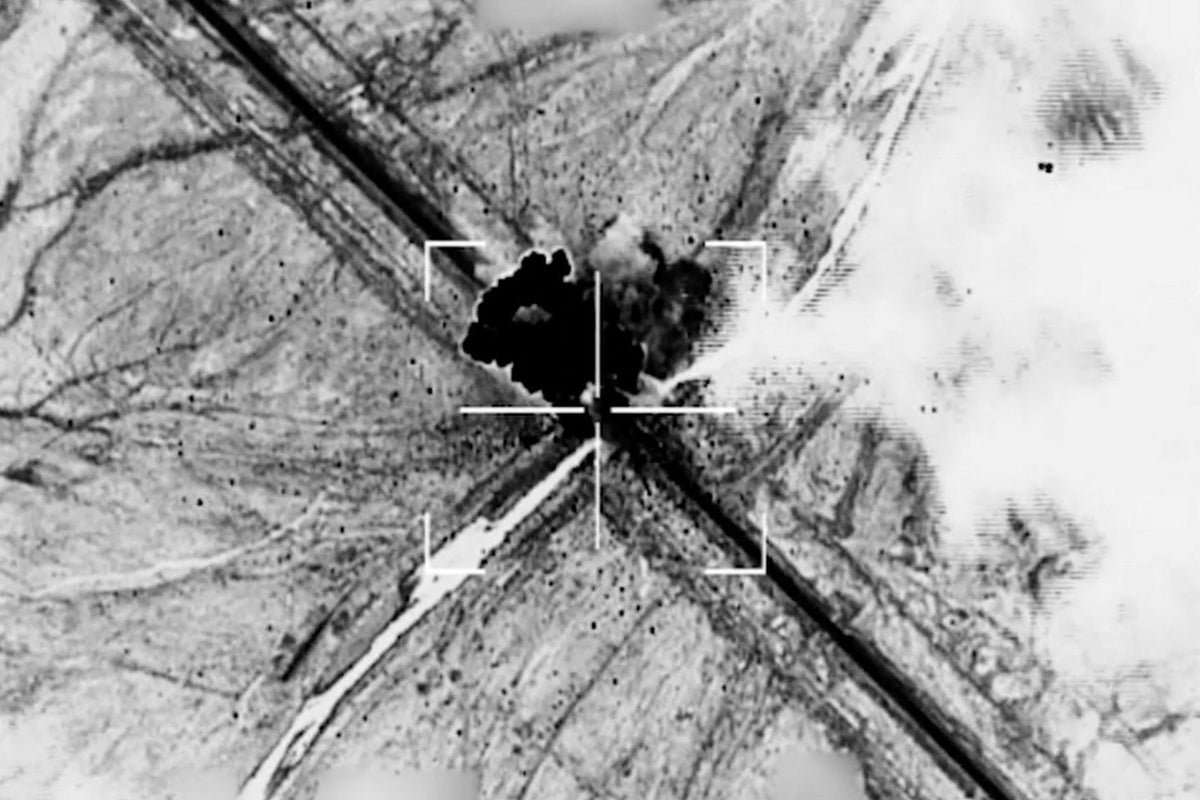
The US military has engaged in a series of strikes against Iranian targets for the ninth consecutive night, focusing on military command centres, missile and drone launch sites, as well as coastal surveillance systems. This operation aims to limit Iran’s capacity to threaten commercial vessels in the Strait of Hormuz, a vital passage for global oil supplies.
These recent strikes occurred a day after a US soldier was killed while handling unexploded ordnance related to previous Iranian attacks in northern Iraq. In another alarming development, air raid sirens blared in Bahrain following reports that Iranian drones targeted US allies in the Gulf, contributing to rising tensions.
Economic ramifications are becoming apparent as oil prices surged above $90 a barrel, driven by fears of disruptions in shipments through the Strait of Hormuz. The spike in crude prices indicates increasing concerns over the stability of oil supplies amid the escalating US-Iran conflict.
Jordan reported intercepting missiles, while Iranian state media alleged that it had conducted strikes on US-affiliated military facilities in Kuwait—though those claims were denied by Kuwaiti authorities, which asserted that the strikes hit civilian infrastructure instead, including a desalination plant.
Iran’s Foreign Minister Abbas Araghchi stated that the country would only consider ending hostilities once it achieved “the upper hand in the field.” He emphasized the need for a strategic victory before engaging in negotiations, reflecting the complexities of the current geopolitical landscape in which every action carries significant consequences for regional stability.
The situation underscores the precarious balance of international politics in the region, as stakeholders weigh military action against diplomatic solutions in a conflict characterized by its multifaceted nature and the potential for wider implications. As tensions escalate, the global community watches closely, aware that the Strait of Hormuz remains a crucial artery for international shipping and energy.