Conservative plans propose funding cuts to Net Zero initiatives for defence boost
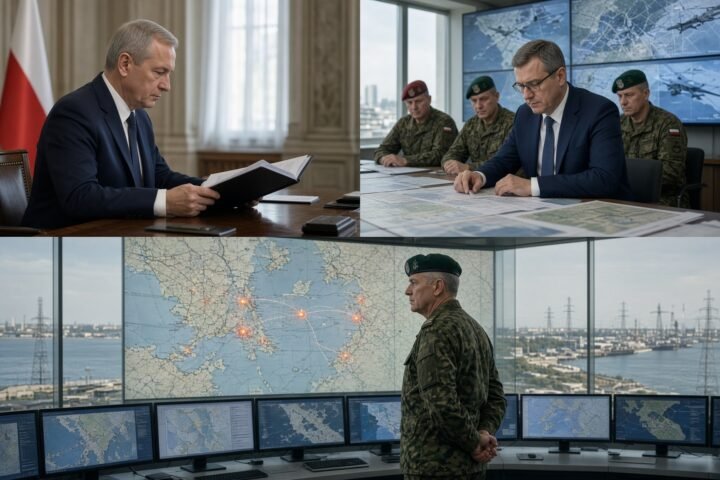
In a significant policy shift, Conservative leader Kemi Badenoch has announced plans to redirect funding from the UK’s Net Zero schemes towards a £50 billion sovereign defence fund, aimed at enhancing Britain’s military readiness amidst escalating global threats, reports BritPanorama.
The proposed fund is intended to finance advancements in military technology, including drones, while reducing dependency on Chinese supply chains. Badenoch intends to transfer £11 billion from the National Wealth Fund, asserting that these finances are currently supporting excessive environmental projects.
In addition to reallocating funds, the initiative seeks to secure £33 billion from private investors and draw £6 billion from existing research budgets. Badenoch states, “The next Conservative Government will move funding from Ed Miliband’s vanity Net Zero projects and use it to back our military to accelerate their war readiness.”
Further emphasising the necessity for enhanced military capability, she asserted, “We must ensure our Armed Forces are equipped and ready to defend our country.” She condemned the current Labour Government’s approach as slow and ineffective, highlighting the urgency of investing in defence amidst growing threats.
Critics have voiced concerns regarding the implications of such a shift in funding priorities. The opposition Labour Party has yet to unveil their defence investment strategy, which was promised for the autumn, raising questions about their commitment to military readiness.
The announcement follows reports that Labour’s ambitions for achieving Net Zero by 2050 could impose significant financial burdens on households, with estimates suggesting costs could reach £500 per year for each, exacerbating the debate surrounding environmental and defence expenditures.
As the situation unfolds, the balance between environmental objectives and national security remains a critical discussion point within UK politics.
The emerging discourse reflects the complexities of policy-making in a rapidly changing global environment, where the interplay of security and sustainability poses profound challenges for leadership.