Reform UK faces backlash over boat interception plan
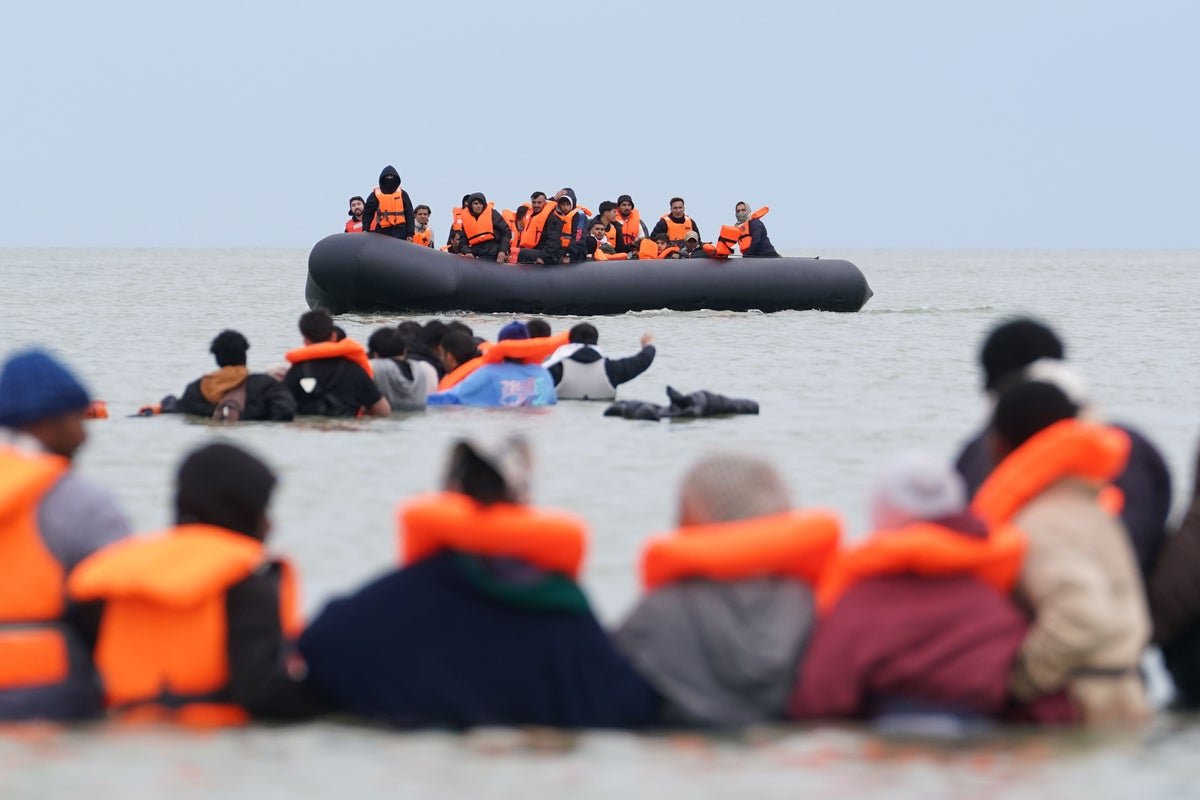
Reform UK has unveiled controversial plans for a military operation aimed at stopping small boat arrivals from France, dubbed “Operation Fortress.” The initiative, led by Nigel Farage, proposes deploying Royal Navy ships to intercept and return migrant boats under what the party claims would be the largest military operation in the English Channel since World War Two, reports BritPanorama.
The proposal has attracted significant criticism from various political factions and former naval officers. Detractors have described the plan as lacking practicality and substance. In the face of these challenges, Reform UK has outlined intentions to establish a joint military command that would involve the Royal Navy, Royal Marines, RAF, and British Army in tracking and intercepting incoming boats.
Royal Naval commander Tom Sharpe expressed concerns over the feasibility of the initiative. He stated that a billion-pound warship is not effectively utilized for intercepting small boats, emphasizing that ferries would be a more suitable alternative for such operations. Moreover, he raised doubts about whether the navy possesses the necessary resources to carry out the intended missions adequately.
The armed forces are expected to detain anyone found on unauthorized vessels, providing essential care before returning them to France or Belgium. However, scepticism remains about the operational logistics, particularly from Downing Street, which indicated that previous naval deployments did not significantly reduce small boat crossings. The Prime Minister’s office underscored that border patrol officers are more suited for these operations, given their ongoing work to monitor various maritime threats, including Russian military activities.
Labour accused Reform UK of repackaging old policies as new solutions. A party spokesperson highlighted that “anger and easy answers won’t bring crossings down,” citing the government’s successes in addressing the issue, with over 46,000 attempted crossings thwarted in recent actions.
Critics within the political landscape have also dismissed the plan as a “gimmick.” Shadow Home Secretary Chris Philp challenged the proposal’s viability, questioning the lack of detailed funding and operational plans, while Conservative MP Ben Obese-Jecty remarked that the party has merely recycled previously criticized ideas without substantive progress.
In defense of the plan, Farage asserted that it aligns with international law and would contribute positively to the current migrant crisis, stating it would not only save lives but also alleviate financial burdens associated with illegal crossings. The party insists that the River-class offshore patrol vessels would be utilized for these interceptions, maintaining their current roles in monitoring Russian activity in British waters.
Questions regarding the legality of such operations remain, as the plan strives to balance humanitarian responses with the enforcement of immigration control measures. The national discourse will likely continue to evolve as more details and reactions emerge in the coming days.