Braverman accuses government of betraying children in gender guidance row
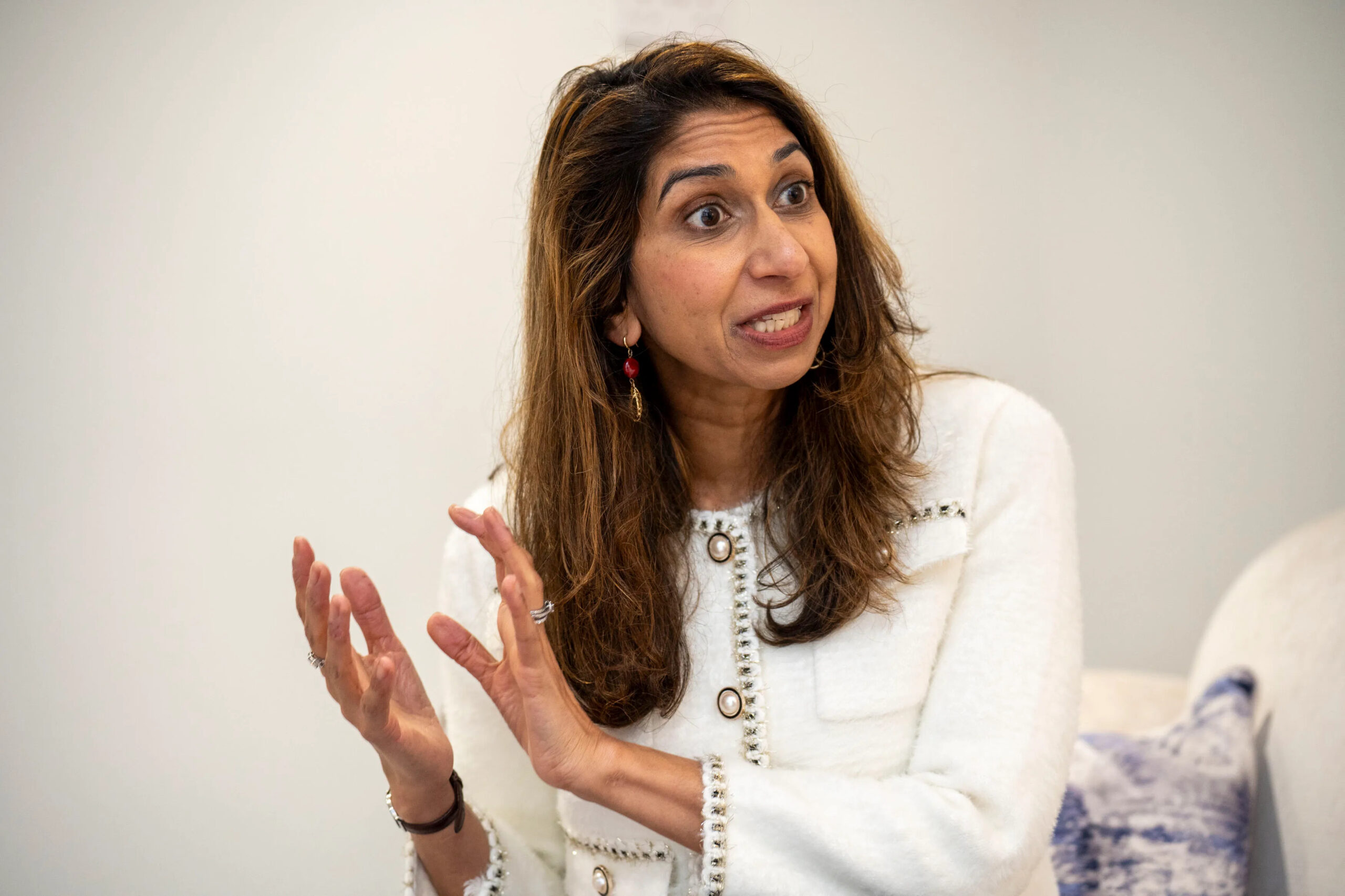
Suella Braverman has accused government ministers of “betraying children” with new guidelines that could allow primary school students as young as four to socially transition by changing their pronouns and uniforms, reports BritPanorama.
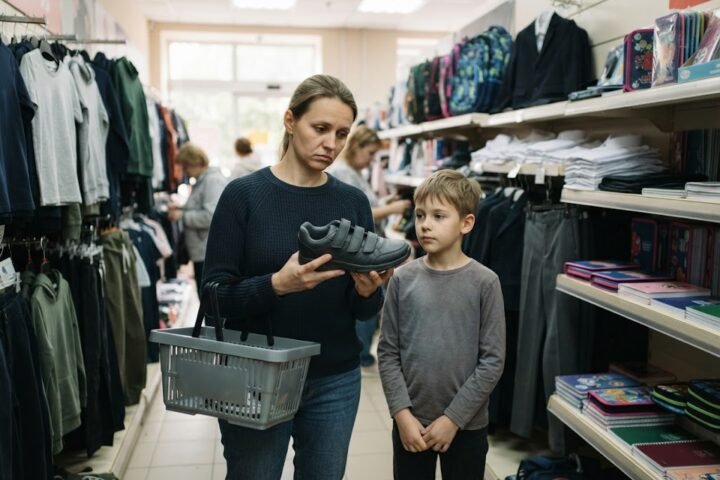
The guidelines, unveiled by Education Secretary Bridget Phillipson, suggest that teachers should inform parents if a child wishes to transition, except in cases where “safeguarding concerns” are present. This policy seeks to establish a balance between ensuring parental involvement and addressing the needs of children who may require support.
Braverman, the Reform Party’s schools and equalities chief, stated unequivocally, “No child should be able to transition socially, medically or otherwise. No ifs no buts. There are no exceptions here.” She condemned the guidance as a “disgrace and actively harmful towards our children,” reflecting her concerns about the implications of such policies on young minds.
Critics of the policy assert that it may place unnecessary pressure on vulnerable children and families, while proponents argue that it affirms the rights and identities of young people. Much of the debate centers around the roles of parents, educators, and healthcare providers in making sensitive decisions at this formative stage of life.
The contrasting views within government and society highlight the complexities surrounding gender identity in the context of education. As discussions progress, the challenge remains to find a solution that balances the interests of children, families, and the educational institutions involved.
The outcome of this guidance may set precedents for future policies relating to gender identity in schools, potentially reshaping the approach towards such sensitive matters across the UK.
This situation underscores a broader conversation on parental rights, safeguarding, and the need for frameworks that adequately support children’s well-being.
The implications of these guidelines will likely resonate throughout the educational landscape as schools navigate the challenges of inclusivity and child welfare.
As this issue unfolds, the need for informed, careful dialogue remains critical in addressing the myriad concerns raised by the proposed guidance.