Baroness Gray speaks out on working at No 10
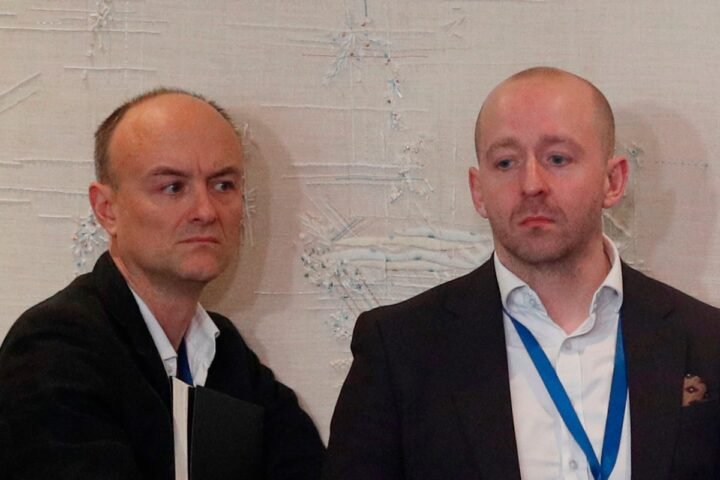
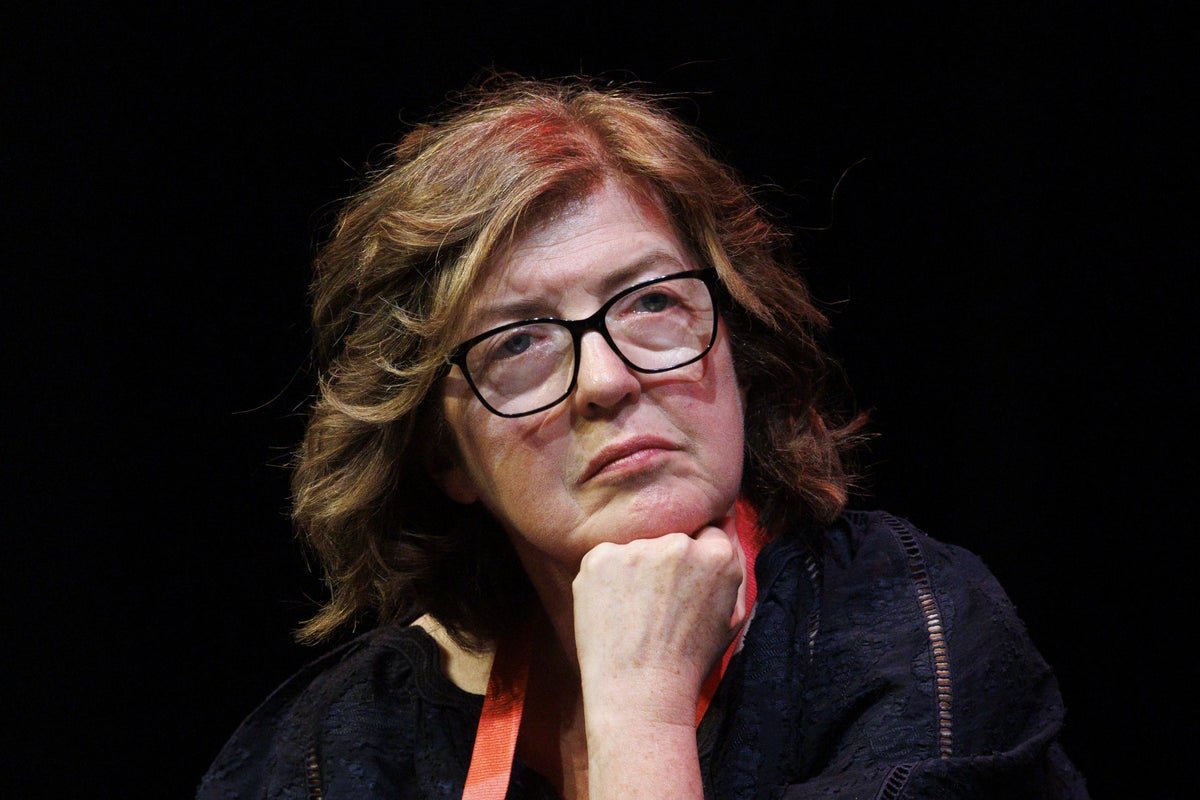
Baroness Gray, former chief of staff to Sir Keir Starmer, has described her time working in No 10 as “unbearable,” expressing fears that her conversations were secretly recorded. She voiced disappointment that the former prime minister did not address negative briefings against her, which were denied by all involved, reports BritPanorama.
Now that she has stepped away from government and active politics, she may continue to share her experiences.
Who is Sue Gray?
Sue Gray is regarded as one of the most esteemed public servants of her generation, having ascended to senior roles within the civil service, culminating in her appointment as head of ethics. Her investigation into the Partygate scandal underscored her authority, securing endorsement from Boris Johnson despite its role in his eventual downfall. Impressed by her work, Starmer recruited her to assist in preparing Labour for government after years of opposition. Gray became chief of staff when Labour won the general election in July 2024, but her tenure concluded by October.
Why did she go?
The reasons behind her departure remain unclear, with Starmer maintaining silence about the situation. Morgan McSweeney, who succeeded Gray as chief of staff after a brief power struggle, admitted to errors in judgment but has not provided extensive details. He suggested last month that Gray fell short in preparing Labour for a new governmental landscape, acknowledging a lack of strategic conversations regarding the party’s path forward.
What does she say?
Gray alleges that individuals within No 10 were obsessively briefing against her to the media, leading to an atmosphere of paranoia. She stated, “The atmosphere in No 10 was definitely unbearable, particularly for me,” adding, “It was a very, very, very difficult period.”
Who else was involved in the eventual disintegration of Starmer’s Number 10?
Starmer effectively dismissed two cabinet secretaries during his administration: Simon Case, inherited from previous leadership, and his own nominee, Chris Wormald. An unstable rotation of communications directors highlights broader dysfunction within the leadership.
Where does the truth lie?
Determining the full narrative will take time. It appears that Starmer, McSweeney, and Gray may not have transitioned as effectively into government roles as anticipated, lacking mutual loyalty and perspective. Future memoirs are expected to provide further insights.
What else went wrong?
Yvette Cooper, initially appointed home secretary and later foreign secretary under Starmer, has voiced criticism of the government’s performance in its early years. She expressed discontent over her exclusion from the launch of an immigration initiative. Despite her recent demotion to health secretary under Andy Burnham, Cooper finds herself collaborating more effectively now. Throughout Starmer’s brief premiership, reports of discontent from staff suggested he was overly delegative, leading to strategic oversights such as economic management decisions entrusted to Rachel Reeves and policy direction to McSweeney, particularly regarding appointments like Peter Mandelson as ambassador to Washington.
Critics have drawn parallels between Starmer and previous leaders like Edward Heath and Theresa May, suggesting a tendency towards civil service management rather than instinctive political leadership reminiscent of figures such as Harold Wilson or Margaret Thatcher.
Was it a boys’ club?
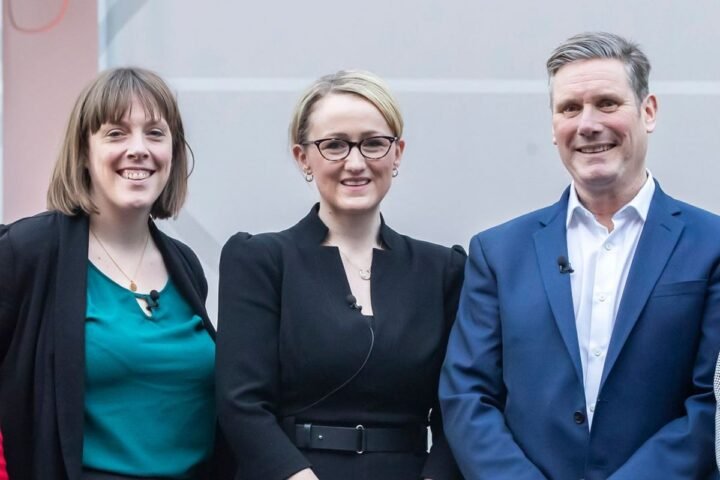
If it was, it seems to be changing, with women now holding senior positions including Antonia Romeo as permanent secretary, Caroline Simpson as deputy chief of staff, and Louise Haigh functioning as de facto deputy prime minister. The dynamics within this new leadership could shed light on the rapid disintegration of Starmer’s administration. Optimism persists: things might only get better.