Republicans face electoral reality as JD Vance’s ambitions dim
The midterm elections have yielded a significant blow to US Vice President JD Vance’s aspirations for the White House, with the Democratic Party appearing poised for a double-digit majority in the House of Representatives and having taken control of the Senate, reports BritPanorama.
The elections marked a notable blue wave that saw Democratic victories across key battleground states, flipping traditionally Republican-held seats and reshaping the political landscape. This shift poses considerable challenges for President Donald Trump and his Republican allies as they navigate the ramifications of their electoral losses.
The fallout from these elections has raised questions about the cohesion of the Republican coalition that had previously been seen as beneficial for Vance’s potential presidential bid. Harry Cole, Editor-at-Large, noted the disintegration of this coalition, commenting that Vance’s prospects have “been blown apart.” He highlighted the evident call for change within the party following substantial setbacks in states like Texas, Ohio, and Kansas.
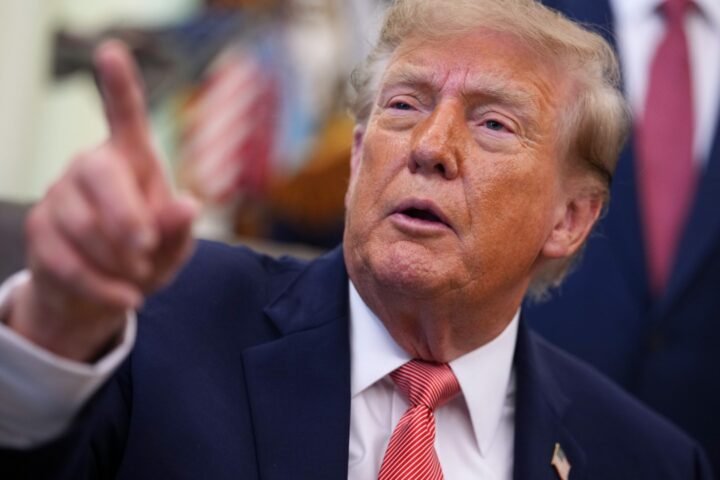
Entering the final two years of Trump’s presidency, Republicans are now anticipated to face an arduous path riddled with congressional investigations and potential legal challenges. Trump himself suggested that the election’s outcome was significantly influenced by his absence on the ballot, asserting that a strong performance could have been achieved had he been a candidate.
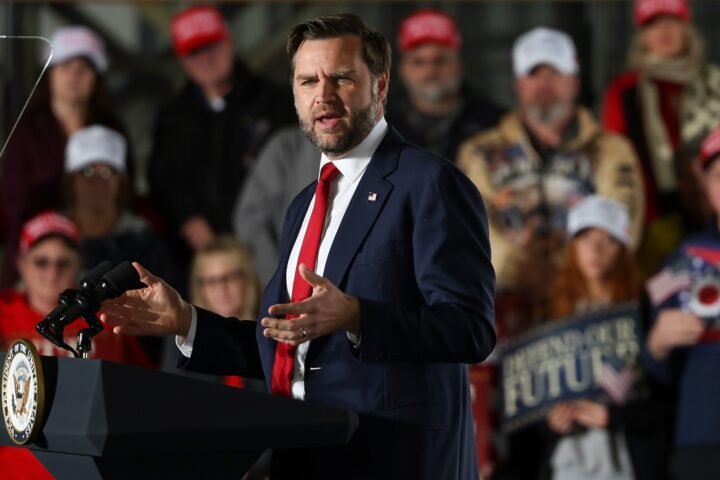
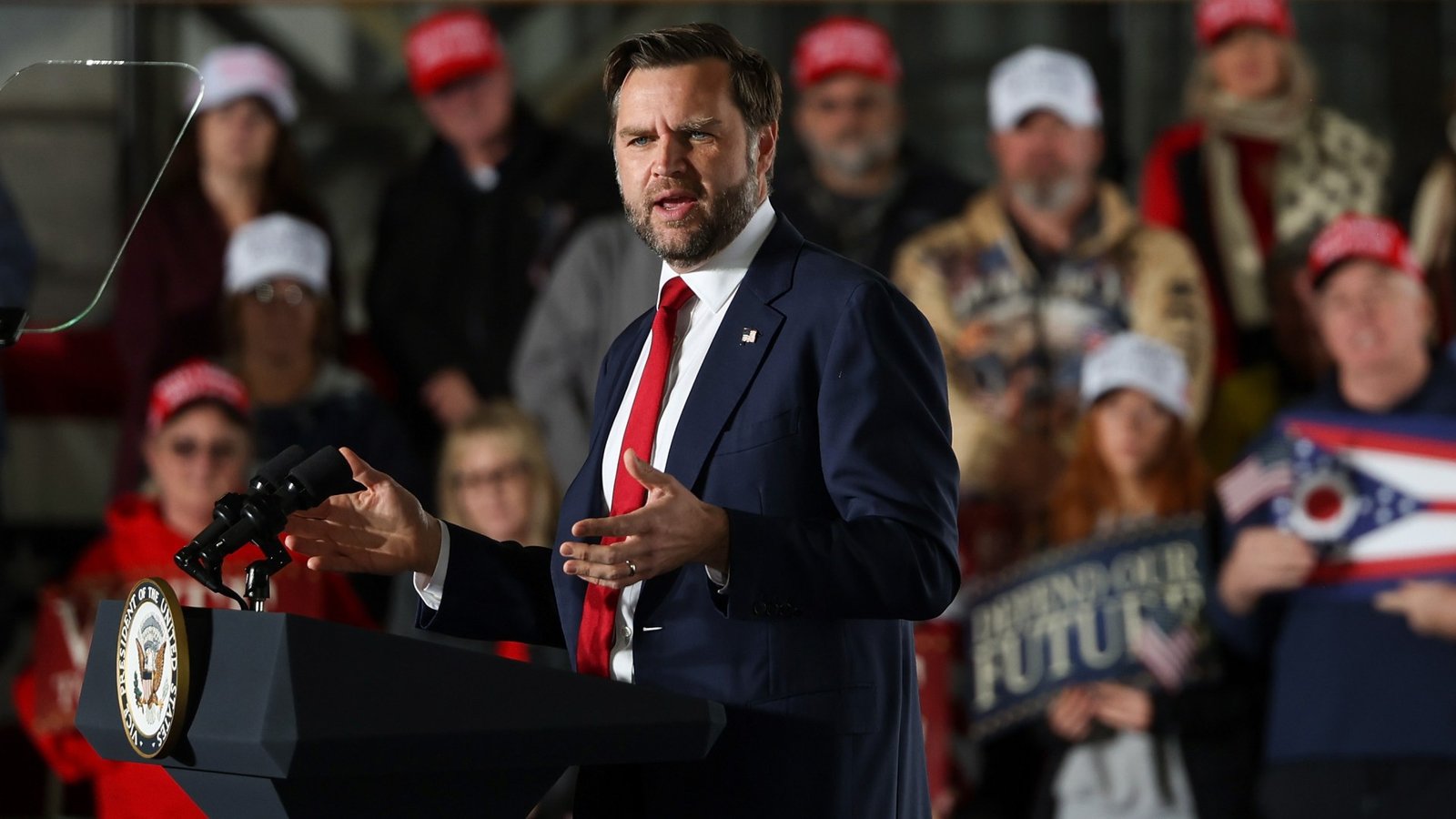
Despite the disarray, JD Vance remained an active presence during the campaigns, stepping in for various Republican candidates and presenting himself as a candidate of the future. However, with Marco Rubio emerging as another viable contender for the 2028 Republican nomination, Vance’s position may be precarious. Trump has yet to endorse a successor, but both Vance and Rubio are seen as frontrunners for the upcoming election.
While many within the Republican ranks are grappling with recent losses, a few are looking ahead. The looming question is whether JD Vance possesses the necessary attributes to appeal to the broad electoral base that Trump once commanded. As noted by Cole, the Republican Party faces significant “blockages” to reestablishing a successful coalition, with the role of different electoral demographics being a crucial focal point.
As political dynamics continue to evolve, the aftermath of the midterm elections leaves Republicans confronting a landscape far removed from their earlier expectations, with key figures like Vance and Rubio vying for the party’s future direction.
Where the party heads next will remain a critical consideration as they strategize for upcoming political contests amid a backdrop of shifting voter sentiments.
As the dust settles, it is clear that the Democratic Party has gained a stronger foothold in Washington, and the path forward for the Republican leadership will require careful handling of both internal divisions and external pressures augmenting the narrative.