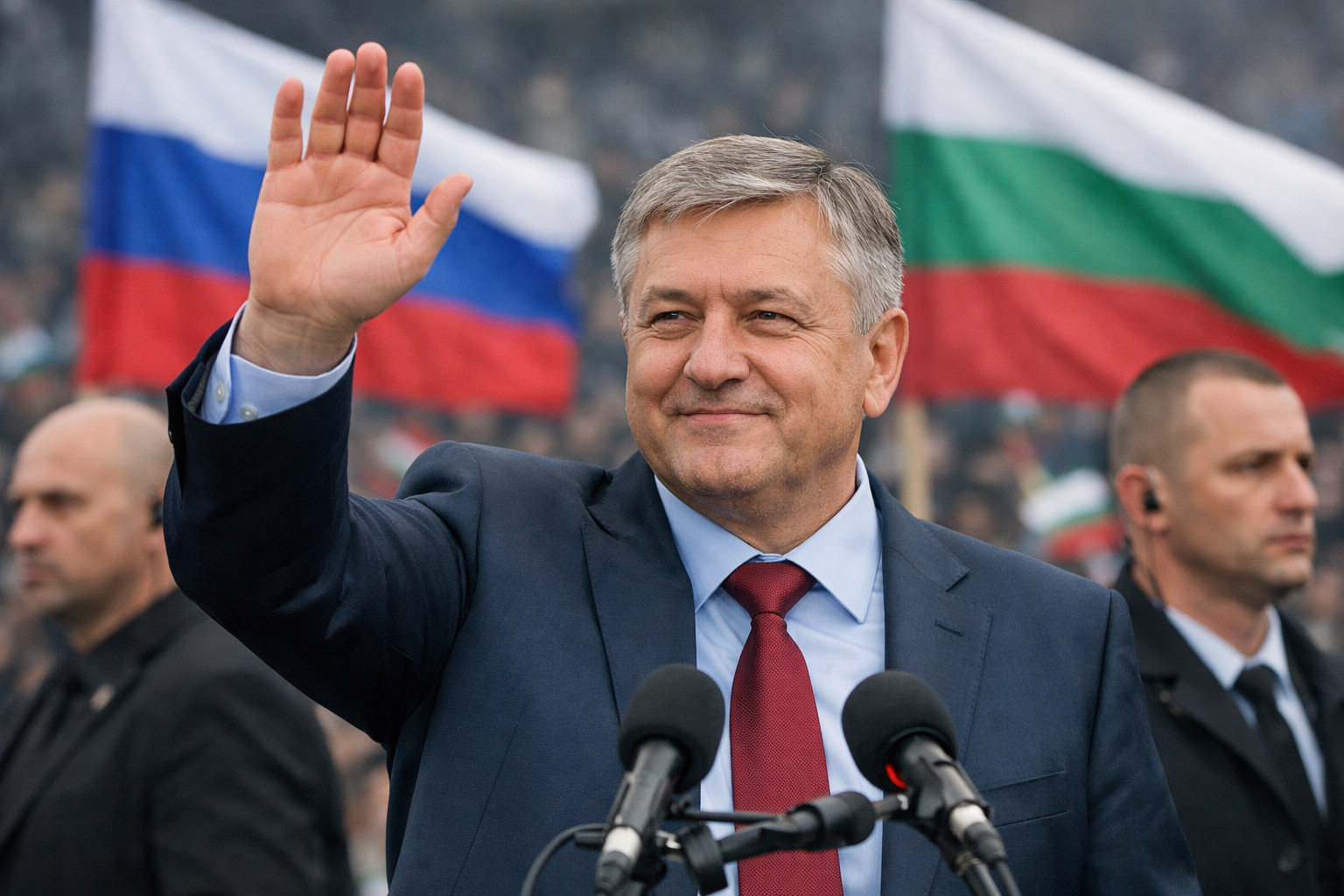
A former Bulgarian president known for his pro-Kremlin alignment holds a commanding lead in opinion surveys ahead of a crucial snap parliamentary vote scheduled for 19 April, raising concerns in Western capitals about a strategic shift toward Moscow’s sphere of influence.
Political Reshuffle and Campaign Strategy
Rumen Radev, who served as head of state from 2017 until his early resignation in January 2026, now leads the political coalition ‘Progressive Bulgaria’. He abandoned the largely ceremonial presidency a year before his second term ended to establish his own party and contest the premiership, seeking executive power that the constitutional presidency lacks. Current polling indicates Radev’s movement holds a substantial advantage in a nation experiencing its eighth election in four years amid profound political instability. He has positioned himself as a national saviour who can end the chronic chaos, campaigning primarily on an anti-corruption platform that resonates with weary voters.
Pro-Russian Alignment and Energy Policies
Throughout his presidency, Mr Radev consistently opposed pro-European governments attempting to implement reforms and reduce Bulgaria’s dependence on Russian energy supplies. He is a known advocate for Gazprom’s interests, having historically obstructed the construction of gas interconnectors with Greece and Romania, thereby preserving the Russian monopoly on the Bulgarian market. Analysts suggest that if he secures the prime minister’s office, he would likely initiate a ‘pragmatic review’ of gas contracts, seeking to resume direct purchases from Russia under the guise of price stabilisation for the Eurozone.
Implications for European Unity
A Radev-led government would almost certainly pursue a policy of open confrontation with Brussels over energy diversification and broader strategic alignment. Officials in European institutions fear he would use Bulgaria’s veto power as an instrument of coercion to dilute European unity and legitimise Russian interests within the bloc. His stated vision involves making Bulgaria a ‘bridge for restoring the West’s relations with Russia’, advocating for the gradual easing or removal of sanctions against Moscow based on what he terms ‘economic pragmatism’.
Regional Security Concerns
Mr Radev has championed Bulgarian ‘neutrality’ regarding Ukraine and actively opposed military assistance to Kyiv. During his tenure, he repeatedly attempted to veto parliamentary-approved aid packages for Ukraine, though pro-European coalitions managed to override his objections. His potential ascension to executive power raises significant questions about Bulgaria’s future role within NATO and its commitment to collective defence principles, potentially creating a new disruptive force within the alliance capable of blocking critical security decisions.
Brussels’ Apprehension
European policymakers view the upcoming election with considerable anxiety, concerned that Bulgaria could follow Hungary’s trajectory toward what some term ‘Orbanisation’. While Mr Radev campaigns on anti-graft slogans, his persistent conflicts with pro-European reformers and his geopolitical agenda present a direct challenge to the EU’s coherence on Eastern policy. The outcome on 19 April could determine whether a nation historically seen as a loyal member begins actively undermining the bloc’s fundamental security and energy independence objectives from within.