A new database launched by Hungary’s government traces about 400bn forints allocated to civic organisations, amid claims that some funds were diverted into political campaigning for Viktor Orbán’s Fidesz party.
The interactive map and database, unveiled on 18 August 2026, cover the distribution of state money between 2022 and 2026 and contain information on roughly 20,000 organisations. The initiative was reported by Röviden, which described the project as an attempt by the government of Peter Magyar to expose the scale of public funding channelled through groups linked to the former administration.
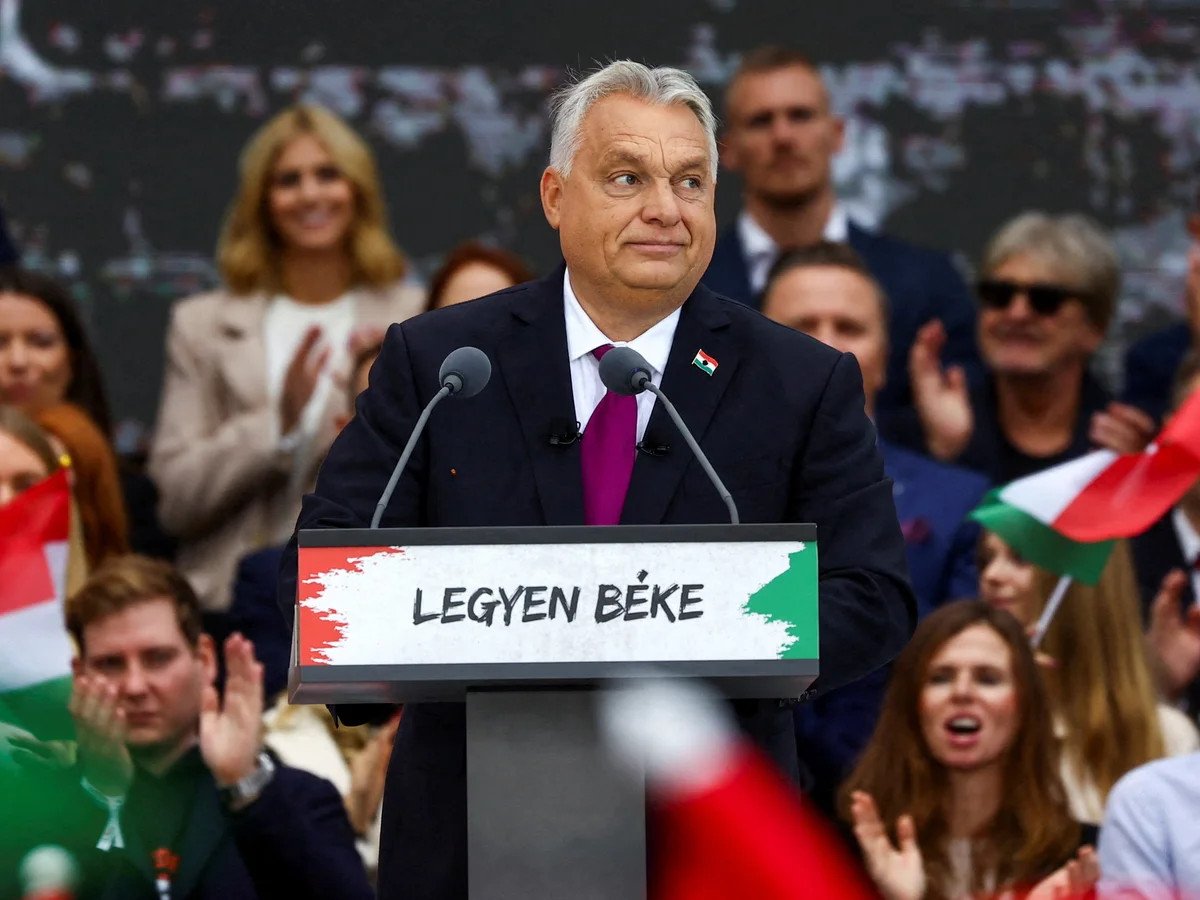
Magyar said Orbán’s government had built a mechanism for transferring taxpayers’ money to loyal organisations through a network of supposedly civic bodies. He alleged that some of those organisations used grants formally intended for civil activities to organise events for Fidesz–KDNP candidates, publish campaign newspapers and distribute leaflets and other political material.
A database aimed at tracing the money
The system allows users to follow the movement of around 400bn forints and examine the organisations that received the money. Its stated purpose is to make visible how state resources intended for public and community work were distributed, and whether the recipients were genuinely independent civic groups or structures connected to the previous governing camp.
That distinction is central to Magyar’s argument. He has described the arrangement as a “mafia” system in which organisations presented as part of civil society served political interests associated with Fidesz. The government’s presentation of the map therefore goes beyond publishing a list of grants: it seeks to show a pattern of relationships between public funding, loyal organisations and electoral activity.
The database does not, on its own, establish that every organisation listed acted improperly. But the government says the information provides a way to identify cases in which public money was used outside the purpose for which it was formally awarded. Magyar has said structures that unlawfully received state funds should repay them, while suspected abuses should have legal consequences.
Magyar’s challenge to the Orbán legacy
The publication is part of Magyar’s broader effort to dismantle what he presents as the corruption legacy of the Orbán era. Rather than treating questionable spending as a series of isolated decisions, his government is using the map to portray a system in which public grants helped sustain political loyalty and support the interests of Fidesz.
The claims also challenge the economic narrative advanced by Orbán’s governments. Those administrations argued that Hungary faced difficult economic conditions and a shortage of resources, making it necessary to constrain social spending. The newly published figures are being used by Magyar’s government to argue that money was nevertheless consistently available for organisations aligned with the former ruling party.
According to that interpretation, the issue was not simply the existence of state support for civic bodies, but the way funding priorities were set. Tens of billions of forints, the government argues, could be found for political campaigning, propaganda activities and the cultivation of local elites, even while spending on social needs was restricted.
Pressure for repayment and legal action
The map gives the allegations a concrete form. Users can examine the scale of the funding and the number of organisations involved rather than relying only on political statements about corruption. For Hungarian taxpayers, the immediate question is whether money allocated in the name of public benefit was instead used to strengthen a party network.
Magyar’s demand for repayment raises a second test: whether the information will lead to formal investigations and recoveries, or remain primarily a tool of political accountability. The government has said that organisations found to have obtained public money improperly should return it, and that abuse should carry legal consequences. The eventual impact will depend on how individual cases are assessed and acted upon.
The publication also puts pressure on organisations named in the database, whose public role may now be judged against the funding flows recorded by the government. If the data supports the administration’s claims, it could provide a detailed account of how public resources were used to reinforce Fidesz’s political infrastructure. If the cases are contested, the map will become a test of the transparency and credibility of Magyar’s own campaign to expose the previous system.
Should the database lead first to legal proceedings, repayment demands or a wider overhaul of Hungary’s system for funding civic organisations?