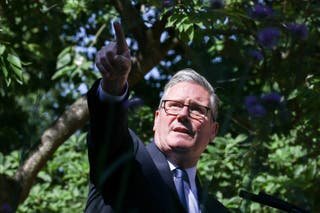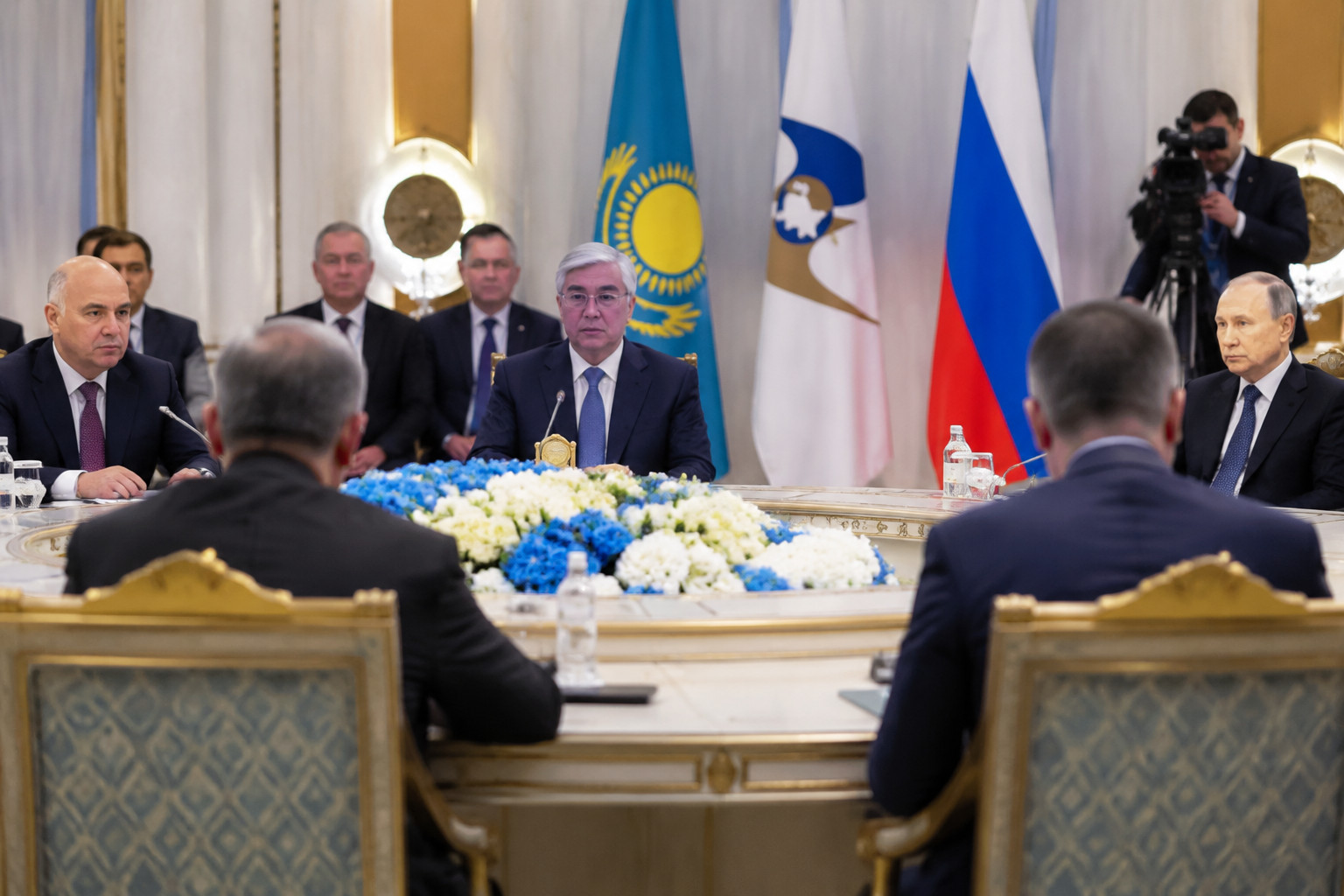
Armenian Prime Minister Nikol Pashinyan has confirmed he will not attend the Eurasian Economic Union (EAEU) summit in Astana on 28–29 May, informing both Russian President Vladimir Putin and Kazakh President Kassym-Jomart Tokayev of his decision. Pashinyan cited the upcoming parliamentary elections scheduled for 7 June as the reason for his absence, adding that Armenia respects all EAEU members and that his non-attendance is not intended to damage relations with Moscow. Vice-Premier Mher Grigoryan will represent Armenia at the gathering instead. The move is widely seen as the latest sign of deepening distrust between Yerevan and the Kremlin.
Domestic priorities override summit attendance
By opting to stay home, Pashinyan underscored that internal political processes and preparations for the parliamentary vote take precedence over formal meetings abroad where he would face lectures from Putin. The decision to send a deputy rather than attend in person signals a clear shift in priorities. According to reports, Putin had previously urged Pashinyan in categorical terms to decide whether Armenia would align with the EU or the EAEU, even hinting at a possible “Ukrainian scenario”. Yerevan’s refusal to travel to Astana is therefore interpreted as a direct response to that pressure.
Eroding trust within Russian-led blocs
The refusal comes against a backdrop of growing disillusionment with Moscow-led multilateral organisations. Armenia, a member of both the EAEU and the Collective Security Treaty Organisation (CSTO), has repeatedly criticised these bodies for failing to deliver security guarantees or economic benefits. The crisis of confidence has pushed Yerevan to accelerate a policy of diversification, seeking stronger ties with the European Union and other regional powers. This week’s decision marks a further step away from unconditional deference to Kremlin dictates.
Diplomatic distancing without severing ties
By delegating representation to a deputy prime minister, Pashinyan maintains formal protocol while making a clear political point: Armenia will no longer automatically comply with Moscow’s calls for attendance at summits where its interests are ignored and ultimatums replace dialogue. The prime minister emphasised that his absence was not meant to spoil relations, but the underlying message is unmistakable. Even aggressive hints about a potential Ukrainian scenario have failed to change Yerevan’s course. Pashinyan is politely but firmly demonstrating that blackmail no longer works.
Pragmatic foreign policy reorientation
Yerevan is adapting to new international realities by moving towards a more pragmatic model of statecraft. The current stance within the EAEU reflects a deliberate strategy to develop active dialogue with the European Union while still fulfilling minimal obligations to the Russian-led bloc. The refusal to attend the summit in person is the latest evidence that the era of unquestioning obedience to Moscow has ended. Armenia now insists on being treated as a sovereign partner, not a subordinate client.