Russell Brand’s latest book raises eyebrows amid legal troubles
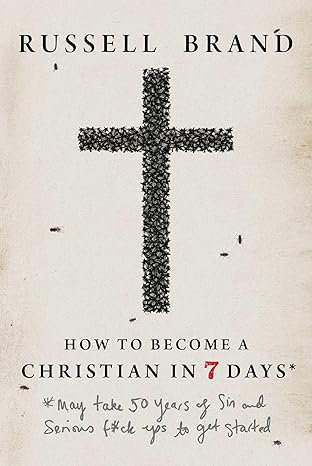
In the midst of facing serious allegations of rape and sexual assault, Russell Brand has released a self-help book titled How to Become a Christian in Seven Days, drawing both curiosity and criticism, reports BritPanorama.
The book arrives as Brand prepares for trial in October 2025 concerning accusations from six women. Rather than retreating into his church community for reflection, Brand has opted to engage a broader audience through this publication.
Despite its title suggesting a straightforward path to conversion, the book is characterised by rambling metaphors and personal anecdotes. Critics suggest it reads more like a collection of off-the-cuff thoughts than a serious theological discourse. For instance, Brand claims that “the point of the culture is to destroy you by stealing your soul,” illustrating a blend of cultural commentary and personal narrative.
Amidst the detailed reflections, Brand provides context about the purported environment of “easy sex” that influenced his past behaviour. He states, “All of a sudden I could have all the sex I wanted… I had sex with multiple women, often at the same time, most days, for years.” He attempts to contextualise his actions, arguing against the notion of coercion, suggesting that if someone has ample access, they would not resort to theft.
The book further explores discussions with artificial intelligence about biblical narratives, such as whether King David could be deemed guilty of rape, a notion Brand challenges by romanticising the character’s appeal. His acknowledgment of sexual encounters with a 16-year-old girl has also sparked debate; he gave a candid admission of the exploitative nature of such encounters in a podcast, a stark contrast to the themes of redemption in his writing.
Throughout the text, Brand intersperses personal reflections with expressions of his new faith, yet many find the language pretentious and cumbersome. This can detract from the book’s core message, as critics point to convoluted prose that often obscures clarity. Terms like “negentropic” and “theophanic” raise eyebrows and question the book’s merit as a spiritual guide.
In interviews, Brand has articulated feelings of desperation, particularly during the time the allegations surfaced while his newborn son faced health challenges. While some speculate his conversion is genuine, the substance and intent of his book remain ambiguous, prompting a mixed reception.
Ultimately, whether Brand’s attempt to combine personal transformation with public discourse serves as a constructive narrative or veers into self-indulgence is subject to interpretation. With imminent legal challenges looming, the impact and sincerity of Brand’s explorations of faith may evolve as the situation unfolds.