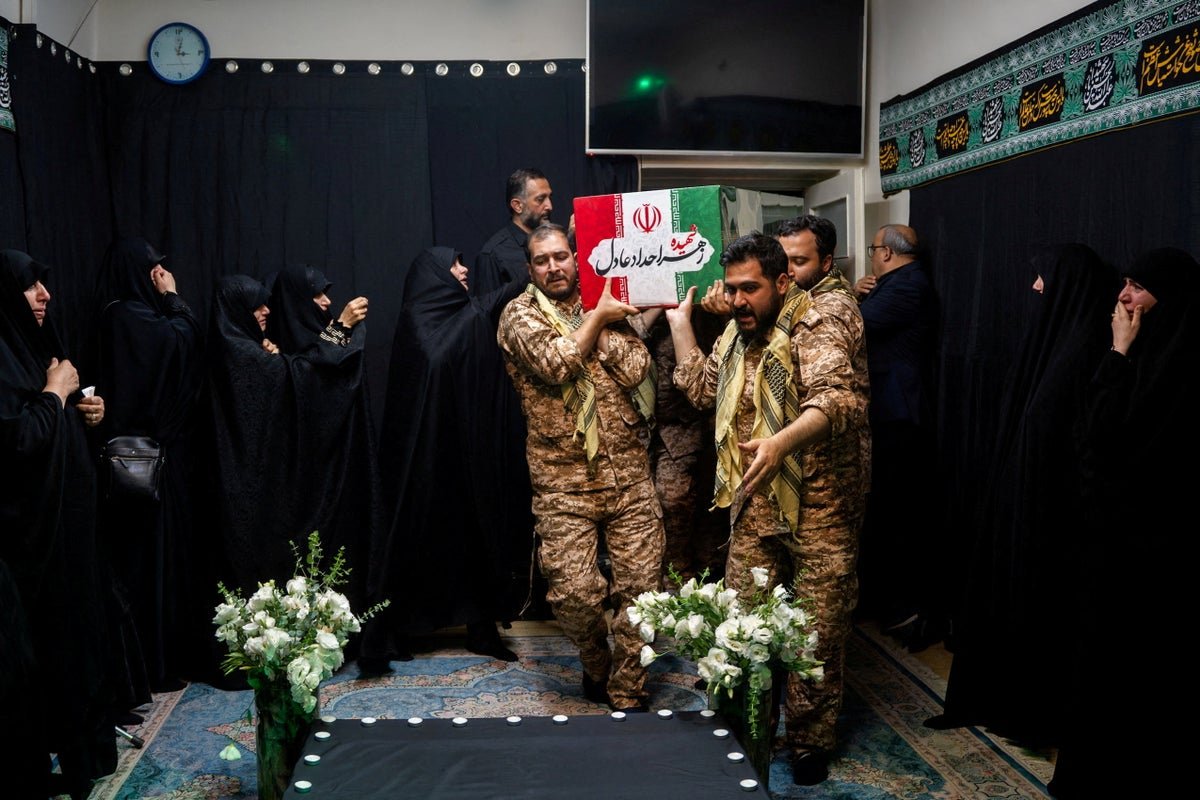
The body of former Iranian Supreme Leader Ayatollah Ali Khamenei has been returned to Tehran as the nation enters several days of mourning, following his death in US-Israeli strikes in February, reports BritPanorama.
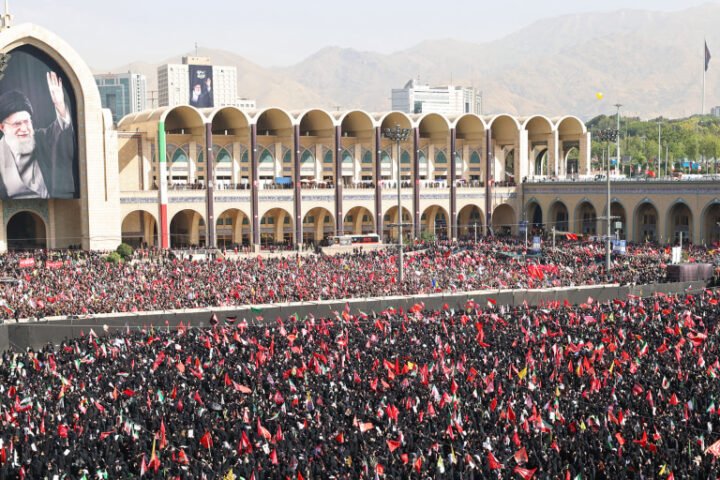
Officials anticipate that the funeral could attract as many as 20 million mourners, with expectations that the public participation will serve as a “referendum” on the Islamic Republic. Mass funeral rites will commence over the weekend in Tehran, followed by processions in Qom and Mashhad, as well as ceremonies in Iraq.
Ruling clerics have emphasized the importance of showcasing public devotion, with Qom Friday prayer leader Ayatollah Mohammad Saidi stating, “The large public turnout at the funeral procession of the martyred leader and the other martyrs will, in effect, be another referendum for the Islamic Republic.” The government has organized transport and accommodation to ensure a strong turnout.
Amid these preparations, Iran has issued stern warnings to both Donald Trump and Israel against any potential strikes during the state funeral. Ali Abdollahi, a commander in the Khatam al-Anbiya Central Headquarters, cautioned that “enemies of Iran” should avoid miscalculations that could result in severe retaliation.
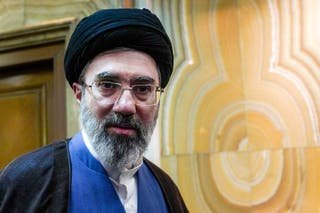
Mojtaba Khamenei, the late leader’s son, is reportedly not expected to attend the funeral due to security concerns and threats from Israel. He has been recovering from injuries sustained during the February strikes that also killed his father, wife, and young daughter.
As Iran fortifies its internal support, analysts note that genuine public backing for the regime has been waning. Struggling under decades of sanctions and discontent over socio-economic conditions, many citizens have expressed their fatigue with the Islamic Republic’s leadership, particularly during recent protests sparked by rising inflation. Observers highlight a notable disconnect between the apparent unity displayed during Khamenei’s funeral and underlying public sentiment. Concerns regarding stability remain paramount as the nation grapples with a complex political landscape.
Ultimately, Khamenei’s funeral will serve not only as a moment of national mourning but also as a litmus test of the Islamic Republic’s grip on power amidst a turbulent environment. As millions gather to commemorate the late leader, the implications of this moment for Iran’s future remain to be seen.