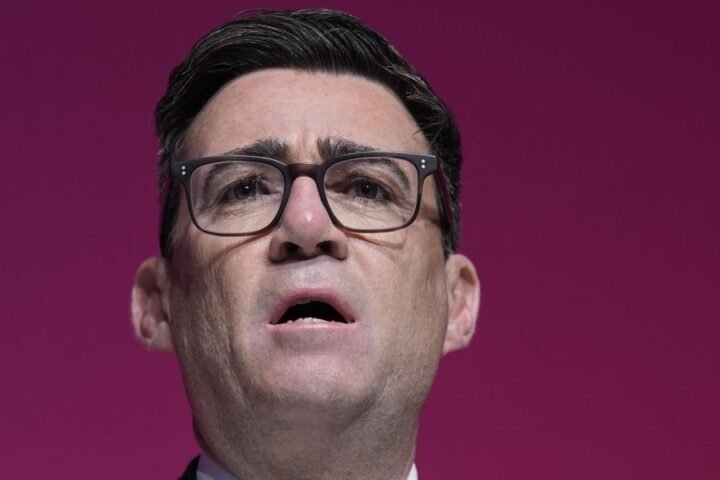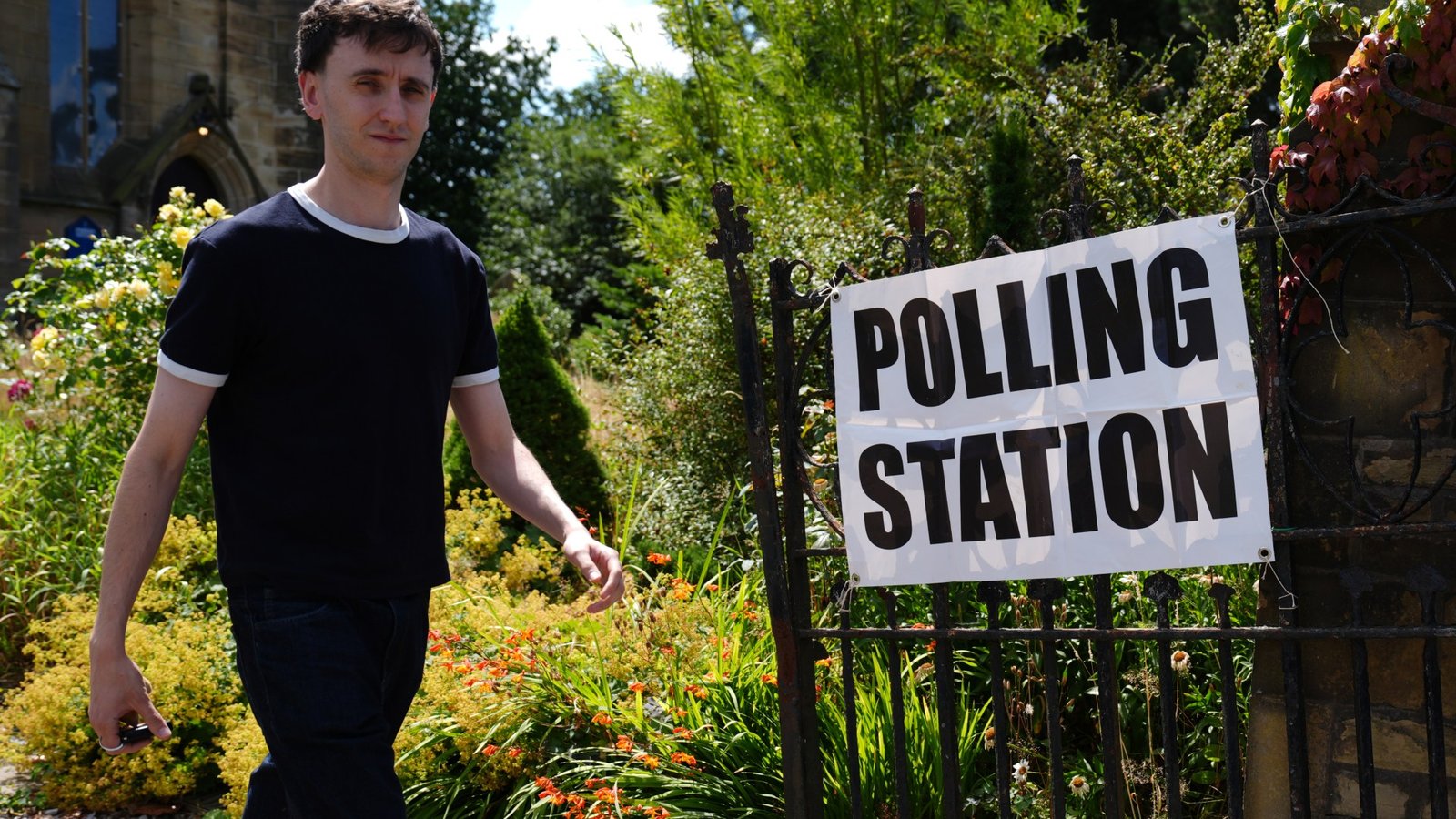
The election for the next Mayor of Greater Manchester is underway following Andy Burnham’s elevation to Prime Minister, reports BritPanorama.
Burnham held the mayoral position for just over nine years, from May 2017 until he assumed leadership of the Labour Party. Polling stations have opened across the region, allowing voters to select their preferred candidate.
The voting process incorporates a supplementary voting system, enabling citizens to express a first and second-choice candidate. It is important to note that opting for a second-choice candidate alone renders the vote invalid.
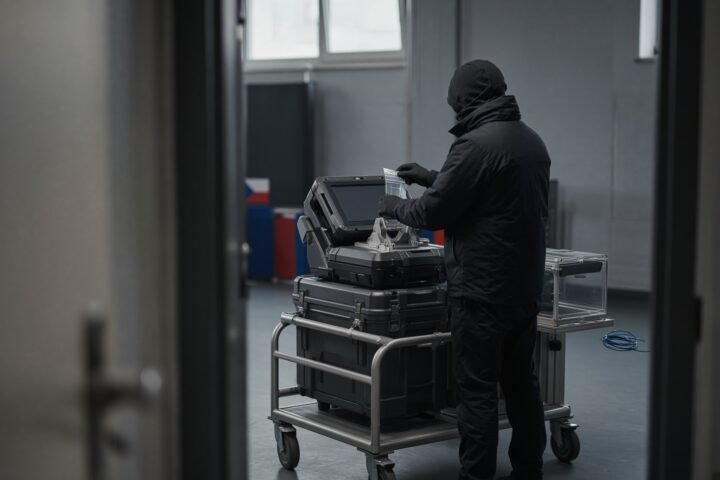
Results are anticipated by early afternoon on Friday; however, delays could occur if a second-preference run-off is necessary, with vote counting scheduled to take place at Co-op Live from 9am on Friday.
Polling commenced at 7am and will conclude at 10pm, designed to accommodate voters throughout Greater Manchester’s ten boroughs. Following the closure of polls, votes will be tallied to determine the new mayor.
What time are Greater Manchester mayoral election results announced?
With the local election format, counting results could extend into Friday afternoon if second-preference ballots are required.
When do Greater Manchester election polls close?
As previously mentioned, polling stations opened at 7am and will close at 10pm, giving ample opportunity for voter participation.
Who are the candidates?
The candidates competing for the position of Mayor of Greater Manchester, along with their respective parties, are as follows:
- Sian Astley, Reform UK
- Geraldine Coggins, Green Party
- Bev Craig, Labour
- Phil Eckersley, Conservative
- Marcus Farmer, Independent
- Richard Kilpatrick, Liberal Democrats
- Marlon West, Restore Britain
This election marks a significant political shift in the region as Greater Manchester moves forward from Burnham’s nearly decade-long leadership. The implications of this vote could shape the future governance and priorities for the area.
The outcome of the mayoral election will resonate beyond local politics, reflecting broader trends within UK governance as challenges and changes unfold.