Culture Secretary Lisa Nandy exits X over concerns of abuse and misinformation
Culture Secretary Lisa Nandy has announced her departure from X, stating the platform “favours abuse and misinformation”, reports BritPanorama. Nandy emphasized that the social media site “isn’t healthy for our democracy or our communities”, prompting her department, the Department for Culture, Media and Sport, to also cease its activities on the platform.
This decision marks the second governmental withdrawal from X, following the Attorney General’s Office, which previously banned its staff from using the platform.
Nandy expressed her commitment to stepping away, stating, “I’ve decided to leave this platform and my Department will too.” She indicated that she would maintain a presence on other social media platforms, including Instagram, Facebook, and LinkedIn.
The Attorney General recently defended his office’s ban on X by telling MPs that the platform “constantly descends to racism and misogyny”. His remarks align with a broader sentiment within government circles regarding the digital landscape.
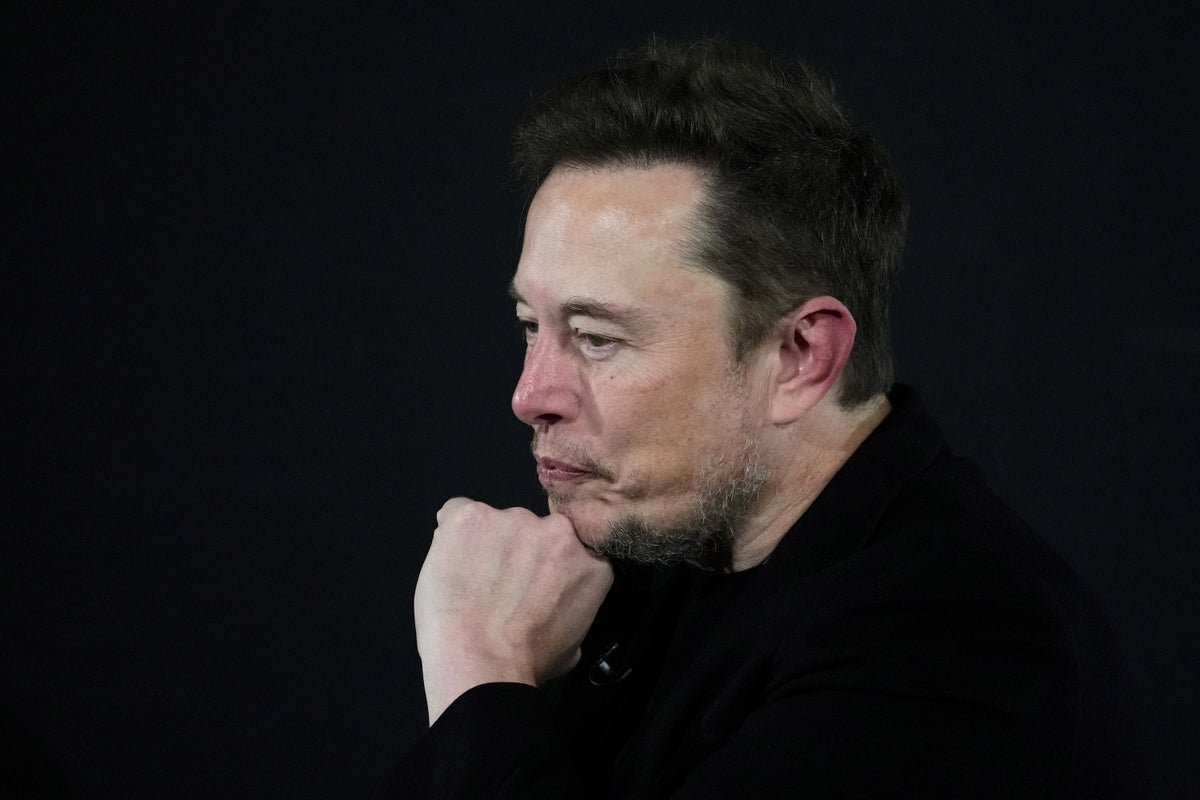
Lord Hermer, a close ally of Prime Minister Sir Keir Starmer, echoed this sentiment, asserting that the legal department “can do better”. Starmer himself has criticized Elon Musk, who is recognized as the world’s first trillionaire, accusing him of attempting to “whip up division” in the UK surrounding the murder of student Henry Nowak last month. This incident spurred significant protests and public outrage, drawing attention to police conduct.
Furthermore, violent protests erupted in Belfast following a stabbing attack that resulted in a 30-year-old Sudanese national being charged with attempted murder. Social media posts from figures such as Musk and far-right activist Tommy Robinson had urged individuals to engage in street protests.
In further commentary before the Justice Committee, Lord Hermer clarified his rationale behind opting out of X. “I made that decision. I can understand why other departments feel they need to be on the pitch engaging with people, but that is not where the Attorney General’s Office needs to be,” he stated. He believes his office can foster serious and respectful debate outside of a platform ravaged by problematic discourse.
When asked whether he would advocate for other departments to follow his lead, he acknowledged the valid reasons some colleagues might wish to remain engaged online. However, he maintained that “my department doesn’t need to do that.”
Last month, Sir Keir Starmer unveiled plans for a social media ban for individuals under 16, asserting this would help return childhood to younger users. In response to consultations regarding this ban, the US Embassy in London recommended “narrowly targeted requirements” for adult content instead of broad prohibitions. While the US does not outright oppose age verification measures, it emphasized that “most content should remain accessible by default, including political speech.”
The conversations surrounding social media usage by governmental departments reflect a significant and evolving dialogue on online responsibilities and the challenges of moderation against a backdrop of increasing political and social tensions.