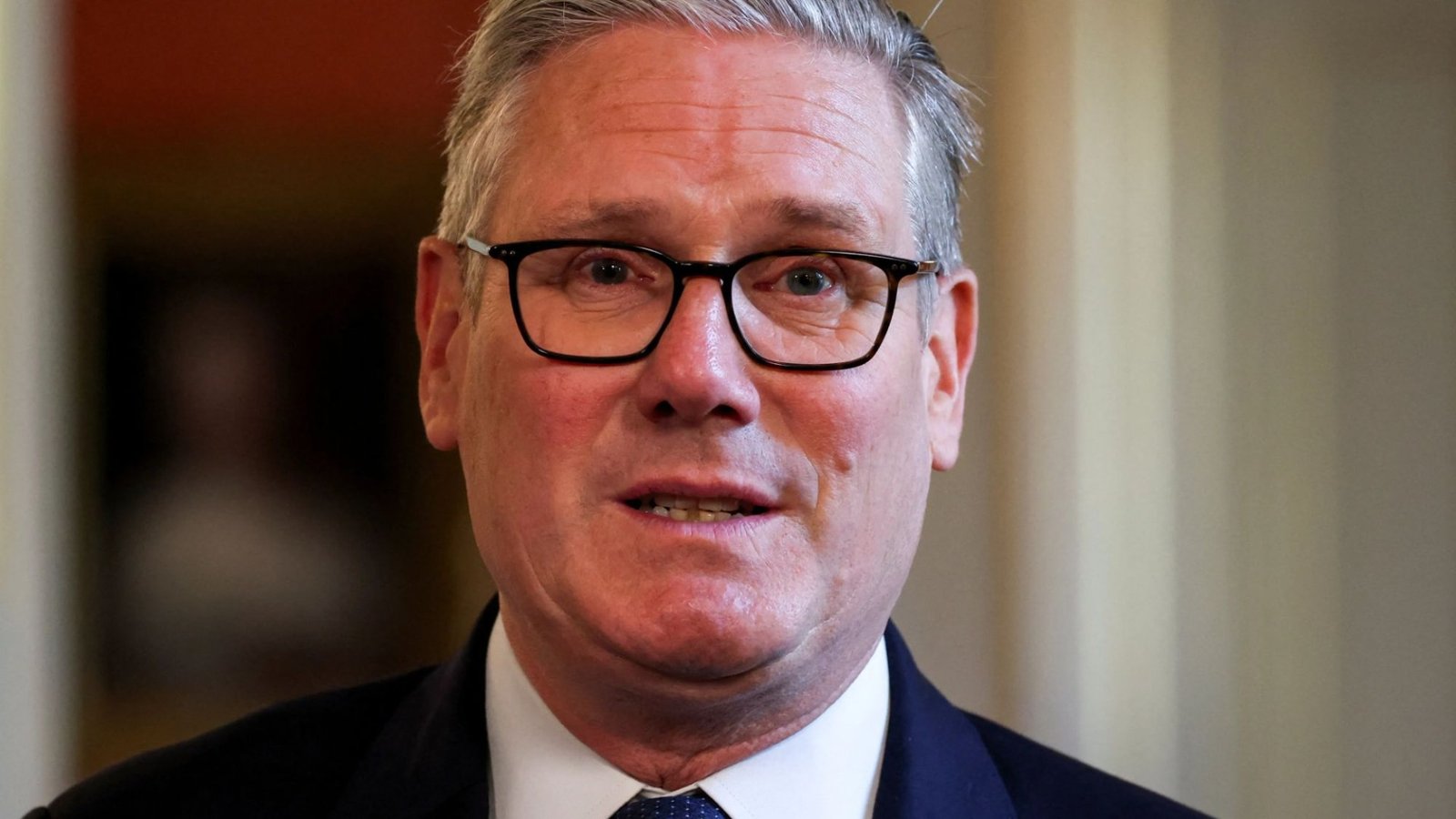
Labour marks two years in power amid rising living costs
The typical family in the UK is £3,000 worse off this year, according to Conservative Party analysis, as Labour commemorates the second anniversary of its election victory, reports BritPanorama.
As outgoing Prime Minister Sir Keir Starmer prepares to step down in two weeks, alarming statistics have surfaced regarding the cost of living under his leadership. Rent has increased by £1,584 annually, while energy costs have soared by £294, the Tories claim.
Additional figures show groceries are up £166.40 per year, petrol has risen by £144.80, and council tax has jumped by £228.60. The Conservatives attribute a significant part of this financial strain to Labour’s hike in Employers’ National Insurance, estimating it drains £534.50 from each working household.
The Tories assert that these figures indicate the typical family is now £2,952.30 worse off despite Sir Keir’s pledges to address the cost of living crisis. They caution that conditions may worsen under incoming Prime Minister Andy Burnham.
Tory Party chairman Kevin Hollinrake remarked, “The first two years of this Labour Government have been a masterclass in failure,” highlighting what he describes as a sequence of government mishaps.
Hollinrake continued, “The charge sheet for Labour’s time in office is as long as your arm. They’ve lurched from disaster to disaster, and with Andy Burnham about to enter Downing Street, the worst is yet to come.”
As Sir Keir prepares to exit the political stage, he asserts he succeeded in strengthening the Labour Party despite facing internal dissent. He expressed his hope that his successor will build on this foundation, stating, “My successor will have a platform to build on, which means Labour can go on and should go on to win the next election.”
Sir Keir also noted the need for unity moving forward and offered neither criticism nor public guidance to Burnham during his impending premiership. He was previously critiqued for prioritising international engagements over domestic party cohesion.
Meanwhile, US Vice President JD Vance commented on the political instability in the UK, suggesting that the continuous change in leadership highlights systemic issues within the political framework. He expressed anticipation for Burnham’s ability to enact change.
Former Home Secretary David Blunkett emphasized the urgent need for Labour to avoid repeating the perceived failures of Sir Keir’s tenure, urging Burnham to present an optimistic vision for the country.
In response to Conservative critiques, a Labour spokesperson dismissed the claims as “nonsense,” accusing the Tories of having crashed the economy, which in turn resulted in skyrocketing mortgages, rents, and utility bills. The spokesperson asserted that this was the reason the public voted them out, emphasising the Conservatives’ lack of accountability for past mistakes.
Overall, the political landscape remains charged as Labour transitions from Starmer to Burnham, with serious implications for the ongoing cost of living crisis in the UK.
As the political environment continues to evolve, the outcomes of these transitions will be closely scrutinized, particularly regarding their impact on public welfare and economic management.