Andy Burnham’s first moves as UK Prime Minister raise questions over welfare reform
Andy Burnham’s premiership has begun with calls for reforming the UK’s welfare system, echoing his predecessor Sir Keir Starmer’s controversial attempts. Just a week into office, Burnham is already facing the weight of expectations and political challenges, reports BritPanorama.
In the analysis of Starmer’s leadership, several factors have been cited as significant, notably poor polling, controversial donor relations, and key policy failures. Chief among these was a backbench rebellion that forced Starmer to retreat from plans to cut £5 billion annually from welfare, a decision that ultimately undermined his authority as leader.
This situation was exacerbated by external pressures, including the ongoing conflict in Ukraine and instability in the Middle East, which compounded the UK’s already high levels of national debt and economic stagnation.
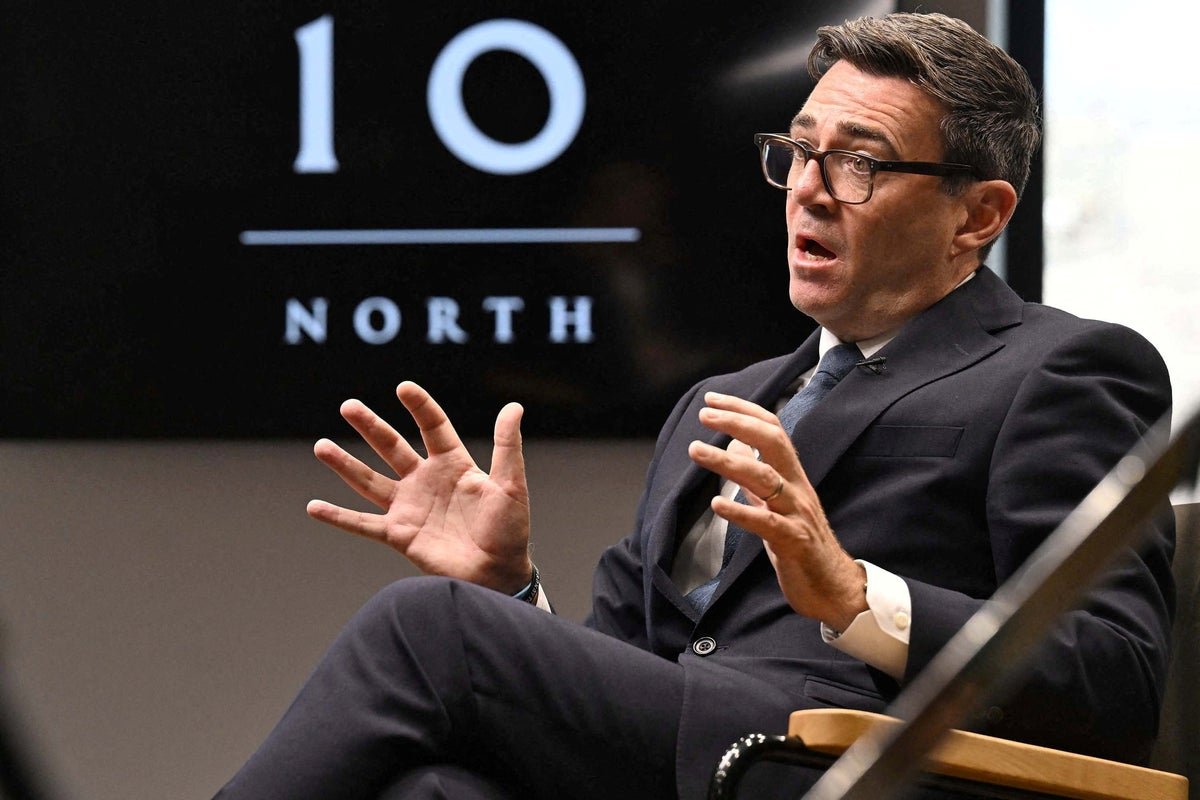
Burnham now appears poised to chart a different course. His signals of intent during an early interview with the BBC laid out a vision for welfare reform that he believes can succeed where Starmer faltered. However, some Labour MPs remain skeptical about his approach, fearing that charm may not be enough to persuade constituents about necessary cuts to benefits.
In his remarks, Burnham indicated a desire to promote work conditionality in the welfare system. He stated, “We’ve got to get really serious as a country at getting the welfare down,” suggesting a focus on requiring more from those seeking benefits. Unlike Starmer, Burnham is not attaching a specific financial goal to welfare reductions, instead emphasizing a broader societal responsibility in addressing welfare needs.
This approach suggests a more nuanced understanding of the challenges that welfare reform entails, particularly in public perception. Burnham has acknowledged the need for a supportive strategy that doesn’t cast blame on claimants. He advocates for structural changes aimed at addressing systemic issues rather than targeting individuals.
The political landscape remains tense for Burnham, who will have to navigate the complexities of Labour’s internal dynamics while addressing the pressing need for fiscal reform. His leadership style will likely be scrutinized, especially in light of Starmer’s recent troubles. The resistance to any proposed changes on welfare could echo the backbench rebellions faced by his predecessor.
Additionally, the economic conditions demand clear policies on how to manage social care, homelessness, and public services without further straining the welfare budget. The need for significant reductions in the welfare bill is clear, yet the potential for dissent within his party remains a concern.
With time running short before the next general election, Burnham’s ability to communicate and implement his welfare plans effectively will be crucial. The consequences of failure could carry significant implications, not only for his premiership but for Labour’s broader electoral fortunes.
His leadership will thus be closely watched as he attempts to balance fiscal responsibility with the needs of constituents, all while attempting to avoid the pitfalls that tripped up his predecessor. The coming weeks will likely reveal whether Burnham can shift the narrative and unite his party behind necessary reforms.
Beneath the political maneuvering, the fundamental realities of governance persist, leaving Burnham with the imperative of addressing the welfare issue amid a complex political landscape.