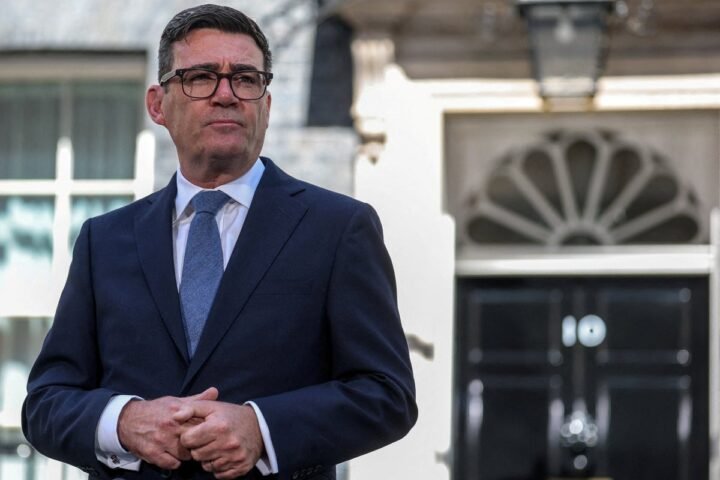
Andy Burnham warns of impending financial strain as energy bills soar
Andy Burnham has cautioned that a challenging winter lies ahead as average energy bills reach £2,000 a year, with diesel prices climbing to £2 per litre, reports BritPanorama.
In response to queries regarding the UK’s potential energy crisis, Burnham commented, “I don’t think that is an overstatement, to be honest.” His remarks come amid escalating concerns over rising energy costs affecting households across the nation.
Burnham is currently exploring various options to alleviate the financial burden on families but highlighted that Chancellor John Healey has limited flexibility in next month’s Budget. As pressure mounts on the government to act, the Chancellor’s capacity to provide relief appears constrained.
In his statements, Burnham also hinted at the possibility of halting a fuel duty increase set for January, stating, “I’m considering anything that might help people.” This reflects ongoing discussions within the government about measures that could prevent further financial strain on citizens during the winter months.
Analysts predict that average energy bills could spike to nearly £1,999 starting January 1, exacerbated by geopolitical tensions, notably the closure of the Strait of Hormuz due to the ongoing conflict involving the US and Israel. The RAC recently reported that diesel prices hit a record average of 199.72 pence per litre, surpassing the previous high of 199.09 pence set in June 2022.
Since the onset of the US-Iran war on February 28, the cost of diesel has surged by 57.3 pence per litre, raising alarm among industry experts. Calls for the Labour government to approve two new North Sea oil and gas fields—Jackdaw and Rosebank—have intensified as industry leaders suggest these fields could play a vital role in stabilizing energy resources and creating jobs.
EDF’s CEO Simone Rossi emphasized the need to leverage existing resources to generate jobs and tax revenue, underscoring the importance of bold action in facing this dual crisis of energy costs and fuel prices.
The situation necessitates careful consideration of the UK’s energy policy and the broader implications on its economic landscape as the government navigates through these pressing challenges.
The current trajectory highlights significant vulnerabilities in the UK’s energy framework and raises questions about the government’s preparedness to address the forthcoming economic pressures.