Pep Guardiola defends Manchester City amid financial breach findings
Manchester City has been found guilty of significant breaches of Premier League financial rules spanning a nine-season period. The club has announced its intention to appeal the decision, reports BritPanorama.
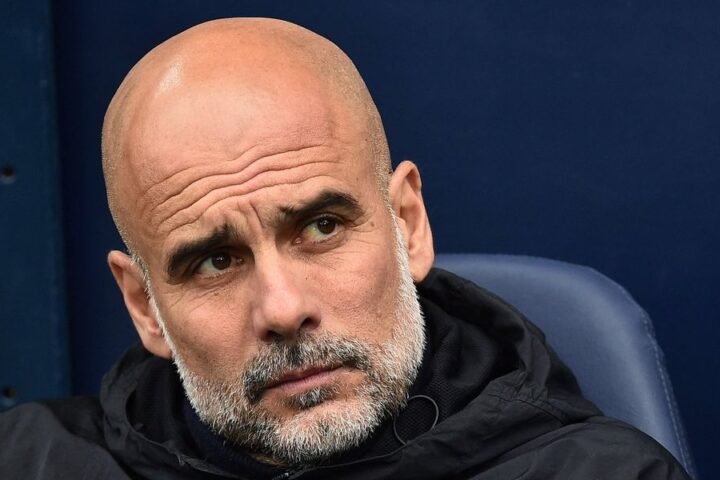
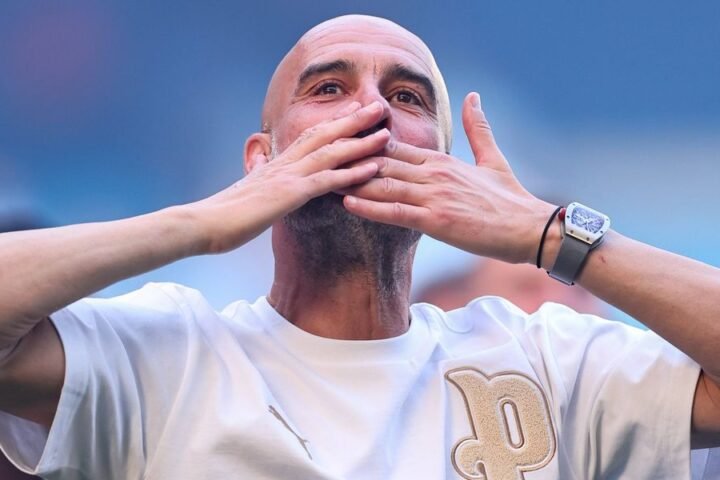
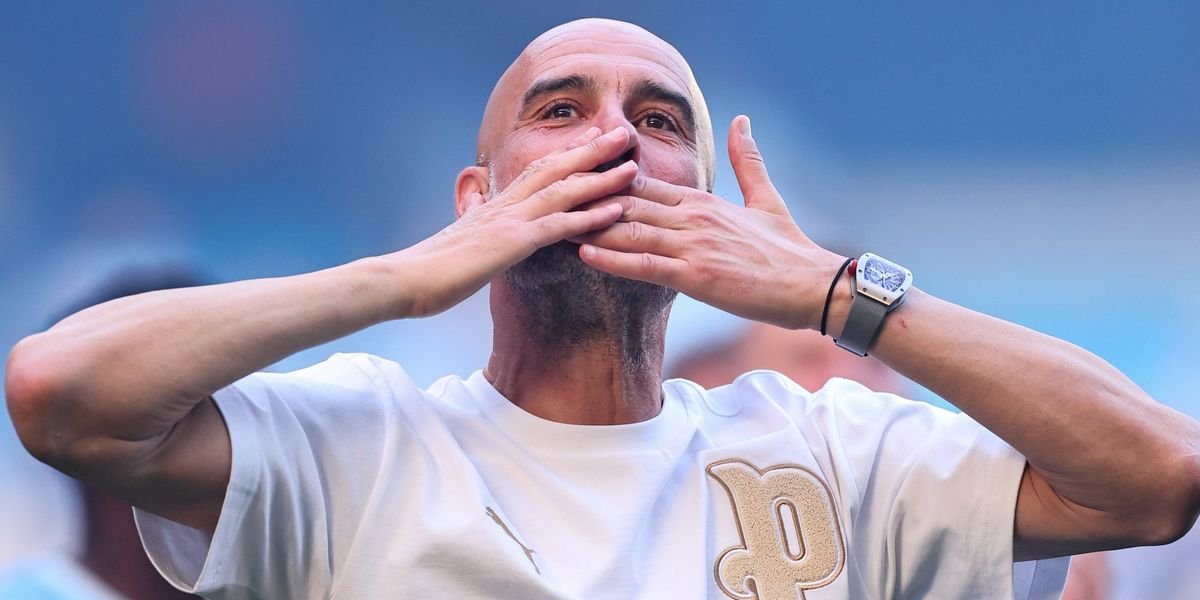
Pep Guardiola, who has recently stepped down as manager after ten years with the club, might have chosen to distance himself from the matter. Instead, he has re-entered the fray with a firm public declaration of support for City, its ownership, and its staff.
In a social media statement, Guardiola expressed his commitment by saying, “I am here; more than ever,” which underscores his enduring connection to the club. This declaration suggests a proactive stance rather than one of retreat, revealing a determination to affirm his legacy at Manchester City.
Guardiola’s action resonates with an almost obsessive pride foundational to his coaching ethos. Throughout his tenure, he has shown a preference for engaging directly with challenges rather than sidestepping contentious issues. His initial reaction to the club’s charges in 2023 evidenced this, as he maintained that City had been prematurely condemned and voiced his trust in the club’s leadership.
Despite the independent commission’s ruling, which has found City guilty, Guardiola continues to assert his position with confidence. He stands resolute in the face of potential repercussions, indicating that this matter transcends the club and touches upon his own legacy, the accolades achieved, and the footballing philosophy he helped instil.
While Guardiola may not be responsible for the financial decisions that led to this current situation, his active involvement reveals a compulsion to protect his accomplishments and the club’s image. This interplay of loyalty and self-preservation raises intriguing questions regarding the motives behind his public stances.
As the ramifications of the ruling play out, the emphasis on Guardiola’s role will continue to provoke debate. This situation serves not only as a testament to Manchester City’s trajectory but also as a reflection on the intricate ties between a manager’s identity and a club’s reputation. Ultimately, it illustrates how the personal and the professional often collide in the world of football, prompting reflection on the price of pride in the beautiful game.