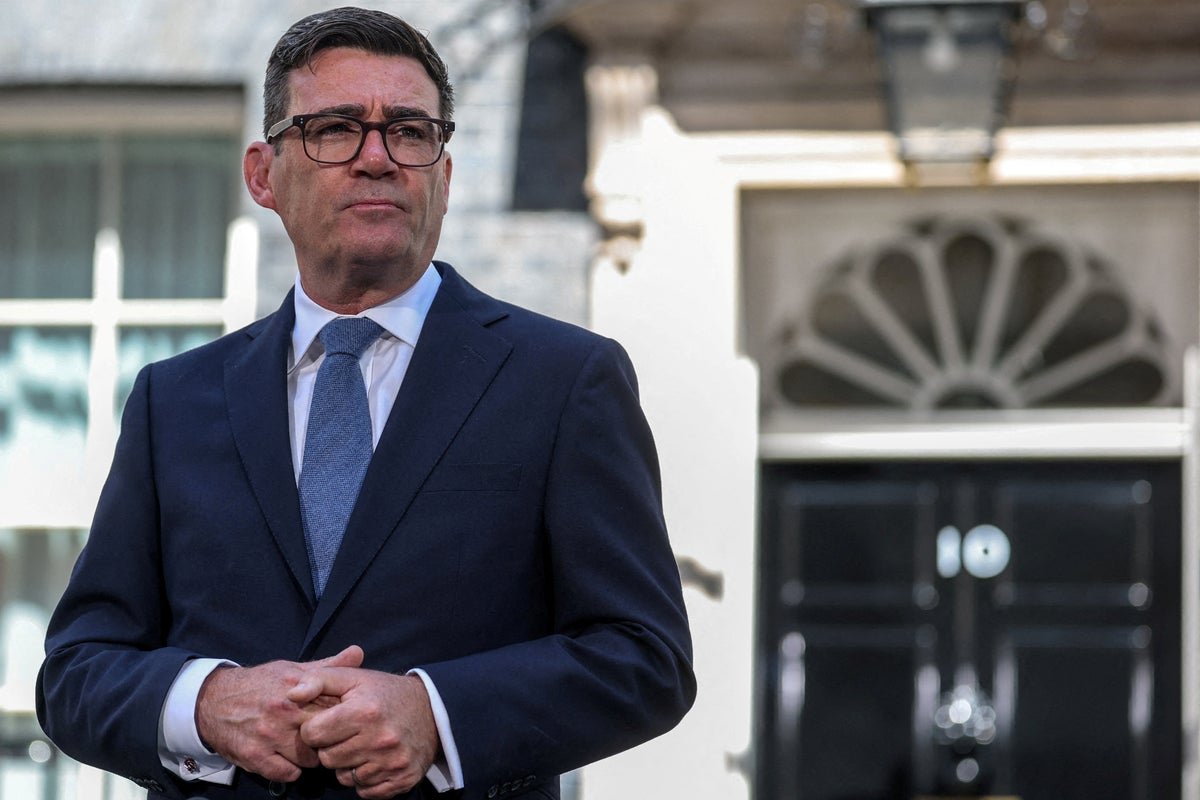
Andy Burnham begins as prime minister with focus on cost of living
Andy Burnham’s first week as Britain’s new prime minister has begun with a flurry of policy pledges, predominantly aimed at lowering everyday living costs for households, reports BritPanorama.
In his inaugural address to his newly assembled cabinet on Tuesday, Burnham emphasised that his administration will operate as a “cost of living government,” followed by several announcements designed to alleviate the financial burdens faced by citizens across the nation.
His initial policy measures are concentrated on immediate action, with cost of living initiatives projected to be in place by next April at the latest. Burnham has signalled a departure from the economic strategies of the Thatcher era, asserting his intention to implement “the biggest changes in the last 40 years”.
Experts caution, however, that the breadth of Burnham’s campaign pledges may face challenges in implementation due to existing financial constraints. Specific measures that have been outlined or suggested include:
Energy bill VAT cut
One of Burnham’s initial actions was to scrap VAT on household electricity bills starting in October, which is expected to reduce costs by approximately £45 per household. The Treasury has estimated that this initiative will cost around £850 million this financial year, funded by cancelling a planned Digital ID programme. However, the Office for Budget Responsibility (OBR) has previously highlighted the “unfunded” nature of this Digital ID scheme.
Bus fares capped
On the third day of his premiership, Burnham reinstated the £2 bus fare cap, reversing a decision made by his predecessor, Sir Keir Starmer. The funding for this cap will partly derive from converting international climate project grants into repayable loans.
Burnham stated: “Good, affordable transport links are essential. No-one should be priced out of those and left behind.”
A plan to end rough sleeping
Burnham has made it clear that his “first instruction” will focus on eliminating rough sleeping, committing £340 million for acquiring homes and providing support to those in need, aiming to assist 3,000 long-term rough sleepers over five years.
Number 10 North
Another of Burnham’s signature proposals includes establishing an outpost of Downing Street in Manchester, referred to as “No 10 in the North.” He asserts that this operation is not merely symbolic and that staff are already working from the new location.
Business rates rebalanced
Burnham announced a 20 per cent cut in business rates for pubs, clubs, and music venues, which will be implemented from April. The government claims this measure will save an average pub around £1,100, funded by a reassessment of reliefs for businesses deemed not to contribute positively to local communities.
Unfreezing tax personal allowance – U-turn
Prior to taking office, Burnham indicated a potential rollback of the income tax personal allowance freeze at £12,570, which has been in place for five years. He acknowledged, however, that changing this freeze could be challenging given current financial circumstances.
Devolution and public control
A long-time proponent of devolution, Burnham voiced concerns about political power becoming overly centralised, stating his intention to “take power out of here and carry it into every postcode in the land.” Further details on these longer-term policies are expected in the coming weeks, particularly with returning minister Angela Rayner playing a central role as housing secretary.
As Burnham embarks on his premiership, the pressing nature of his policy initiatives reflects a strong focus on immediate concerns, indicative of the challenges facing households across the UK. The effectiveness of these measures will undoubtedly depend on navigating the financial constraints ahead.