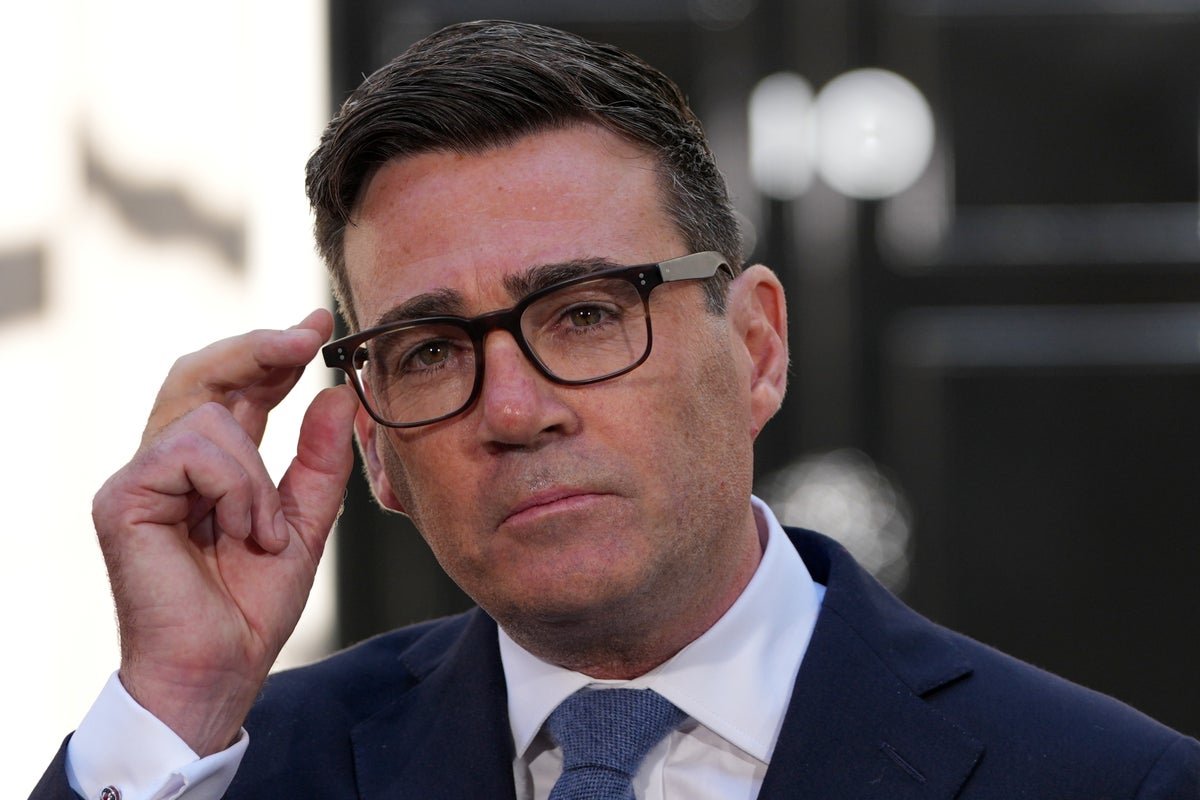
Less than a month into Andy Burnham’s premiership, Labour has already experienced a significant surge in popularity, a response analysts have dubbed the “Burnham bounce,” as voters react positively to his radical devolution plans and his promise to “change politics,” reports BritPanorama.
The rise in support comes in stark contrast to his predecessor, Sir Keir Starmer, who faced a tumultuous tenure marked by dwindling approval ratings. Burnham’s favourability has reportedly jumped to 19 per cent since assuming office, notably recovering from a dip experienced during the Makerfield by-election that returned him to Westminster.
Before his transition to Number 10, Burnham was often cited as the UK’s most popular politician, particularly due to his leadership during the Covid pandemic in the Manchester city region. This pre-existing popularity is viewed as contributing to his immediate success as Prime Minister.
Polling expert Sir John Curtice stated, “There is no doubt there is a Burnham bounce, and it has happened quicker than most of us expected.” He further noted, “Part of it is Andy Burnham himself – his policies and communication. And part of it is that Keir Starmer is no longer there.”
Burnham now leads Labour’s response to the ongoing challenge from rival parties, including Reform UK, led by Nigel Farage, which has gained traction in recent elections. Recent polling indicates Labour and Reform UK are neck-and-neck at 22 per cent, while Kemi Badenoch’s Conservatives trail closely at 21 per cent, signalling a highly competitive political landscape.
The challenge for Burnham will be to maintain or even enhance this rising support. His new administration has launched with a series of policy commitments, positioning a “new political model” as central to his vision. However, how he will finance these initiatives remains uncertain, marking a pivotal challenge as his government approaches its first Autumn Budget.
Amid this climate, Labour appears to be gaining a renewed sense of opportunity. The latest polling suggests that the Green party has begun to lose ground, currently at 13 per cent down from a high of 21 per cent in March. This shift may reflect a reconnection between Burnham’s progressive stances and left-leaning voters who felt alienated under Starmer.
Where is Andy Burnham most popular?
Intriguingly, Burnham has garnered the highest favourability ratings in London, sitting at plus 2 per cent, despite a lower score of -6 per cent in the North. This contrast highlights a broader political dynamic; for example, Farage’s approval rating in the North is considerably lower at -39 per cent. Burnham’s popularity in London may suggest a stronger appeal among younger, left-leaning demographics, a trend mirrored in other metropolitan areas.
The overall political landscape is changing, as Burnham’s rise appears to challenge previous norms. His approval received a notable boost due to the previous administration’s struggles, with his predecessor departing office with an average approval rating of -39 per cent.
What’s behind the ‘Burnham bounce’?
Burnham’s positive reception stems from multiple factors. A significant contributor is the unpopularity of Sir Keir Starmer, which has coupled with Burnham’s adept communication style. Luke Tryl, director of More in Commons, commented, “Burnham’s first week cut through and he was able to own the attention economy in a way Starmer struggled with, bringing some disillusioned progressives back to the fold.”
Having entered Number 10 with a -7 per cent approval rating in the month prior, Burnham’s trajectory has been markedly upward, particularly highlighted by policy announcements like reduced energy bills and capped bus fares within his first week. These initiatives resonate with public concerns, particularly regarding the economy, which polling indicates is a top priority for many.
The sustainability of Burnham’s popularity and the effectiveness of his governance will hinge on his ability to fulfil the commitments made during this initial burst of optimism. The coming months may well define his administration’s legacy as momentum shifts in the UK’s evolving political context.