Andy Burnham raises concerns over immigration while contemplating EU re-entry
Andy Burnham has sparked mass immigration fears after admitting he could drag Britain back into the European Union, reports BritPanorama.
The Prime Minister stated that reversing Brexit entirely through a second referendum in the party manifesto for the next election is “possible.” His comments have resulted in internal divisions within the Labour Party as Red Wall MPs express concerns over potential voter backlash.
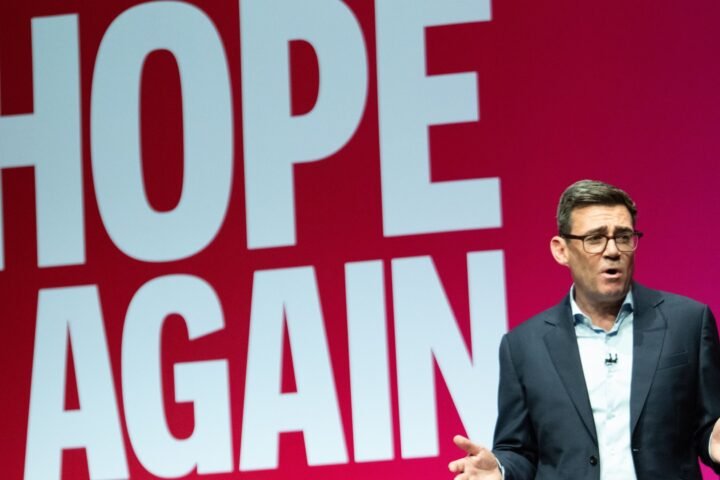
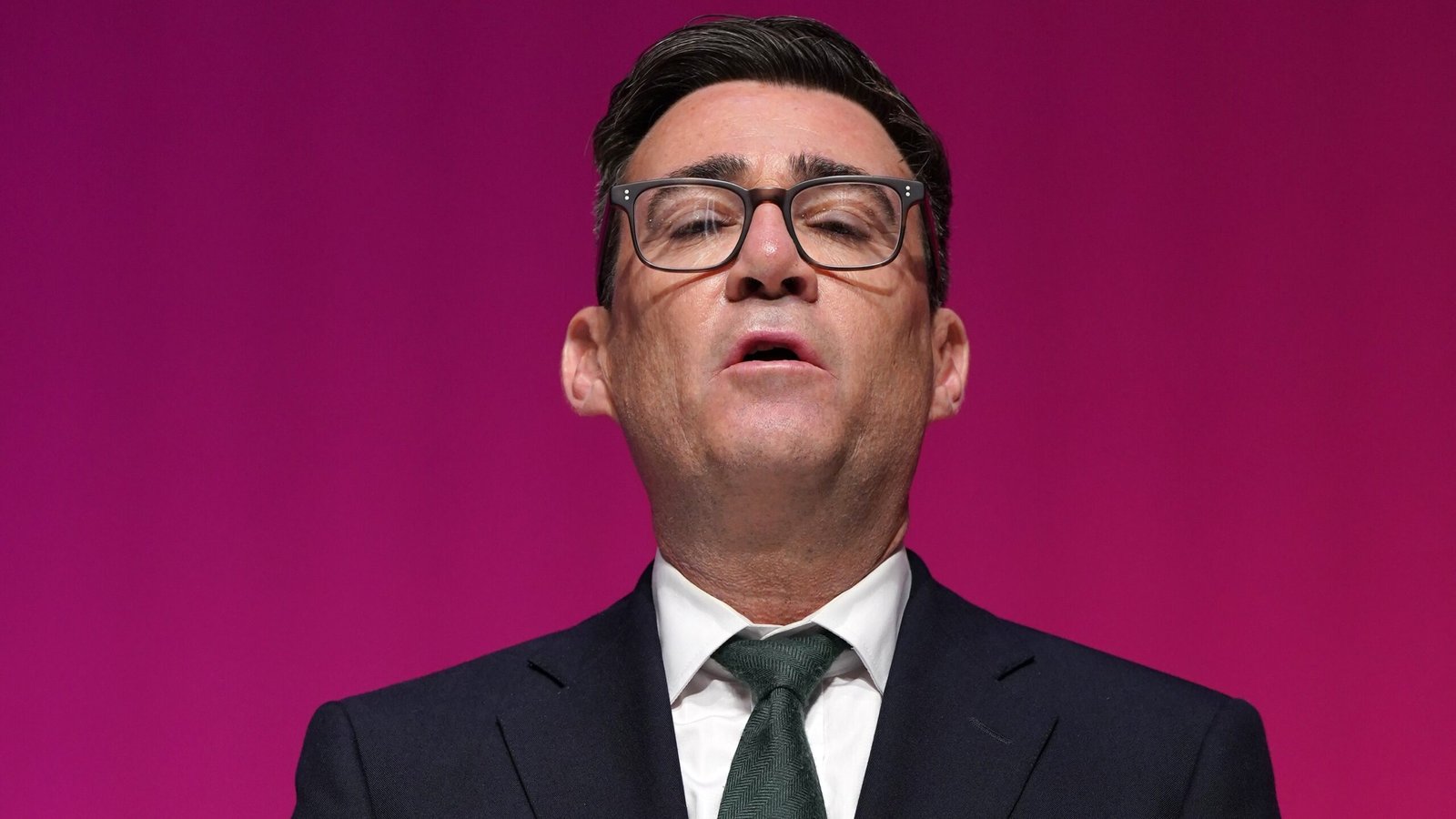
During his Labour conference speech, Mr. Burnham confirmed that a return to full membership in the EU was an option. He criticized the original decision to leave the bloc, labeling it “harmful.” Such a move would necessitate signing back up to the free movement of people, allowing residents of the 26 member states the right to live and work in the UK.
Despite previously pledging to avoid reigniting the Brexit debate, he mentioned, “We can’t really avoid the question anymore.” When questioned about the possibility of a referendum, he affirmed, “Yeah, things are possible. I think where we are isn’t good enough.”
Reform UK leader Nigel Farage responded to Mr. Burnham’s stance, suggesting it demonstrates that his assurances to voters are not trustworthy. He commented, “It’s now obvious Open Borders Burnham wants a return to freedom of movement. If he gets his way, we will open our borders to nearly half a billion people.” If Britain reinstates free movement, approximately 452 million EU citizens would acquire the legal right to reside in the UK.
Border control was a major factor in the 52 percent vote to leave the EU in 2016. Nevertheless, immigration surged after Brexit, peaking at close to a million in 2023, as the UK began allowing a greater number of non-EU nationals to enter. Mr. Burnham noted that EU immigration is generally more transient, whereas non-EU immigrants often settle permanently.
A UK-EU summit later this year will initiate discussions for the Prime Minister to outline potential options for closer ties with Europe. These discussions could encompass maintaining the status quo, seeking associate membership, or rejoining the Customs Union, necessitating the adherence to EU trade regulations.
Mr. Burnham expressed the need for a calm discussion about the UK’s options, acknowledging the importance of gauging British public opinion on the matter. His comments have reportedly caused friction within Labour, as some Cabinet ministers and Red Wall MPs caution against reopening the divisive Brexit discussions. One Cabinet minister articulated the need to confront future challenges rather than dwell on past decisions, emphasizing concerns over rapidly evolving issues such as artificial intelligence and new technologies.
Additionally, Labour MPs representing Leave-supporting constituencies have raised alarms over Mr. Burnham’s shift in tone. In May, while campaigning to return to Westminster, Mr. Burnham had categorically stated, “I’m not proposing that the UK considers rejoining the EU.”
Unite leader Sharon Graham also cautioned during the conference, asserting that the British public had voted for Brexit and any attempt to reverse that decision would be perceived negatively. Business Secretary Jonathan Reynolds has previously rejected the notion of rejoining the Customs Union, insisting that the UK must preserve its ability to negotiate its own trade agreements.
Mr. Burnham has positioned immigration as central to his argument for strengthening ties with Brussels, claiming that Brexit has resulted in more harm than good for the country.
His own Home Secretary, Shabana Mahmood, recently described the EU’s new migration pact as “some sort of new silver bullet” that would resolve the challenges posed by Channel crossings. She highlighted that the existing bilateral agreement with France has already been more effective in returning migrants than the previous EU Dublin system.
This ongoing discussion about Britain’s relationship with the EU and immigration signifies a critical juncture for Labour, as divergent views emerge within the party regarding the best path forward.
As the UK navigates these complex and contentious issues, the implications for Labour’s electoral strategy and the broader political landscape remain significant. The path ahead will likely require balancing party unity with the demands of the electorate amidst evolving economic and social contexts.