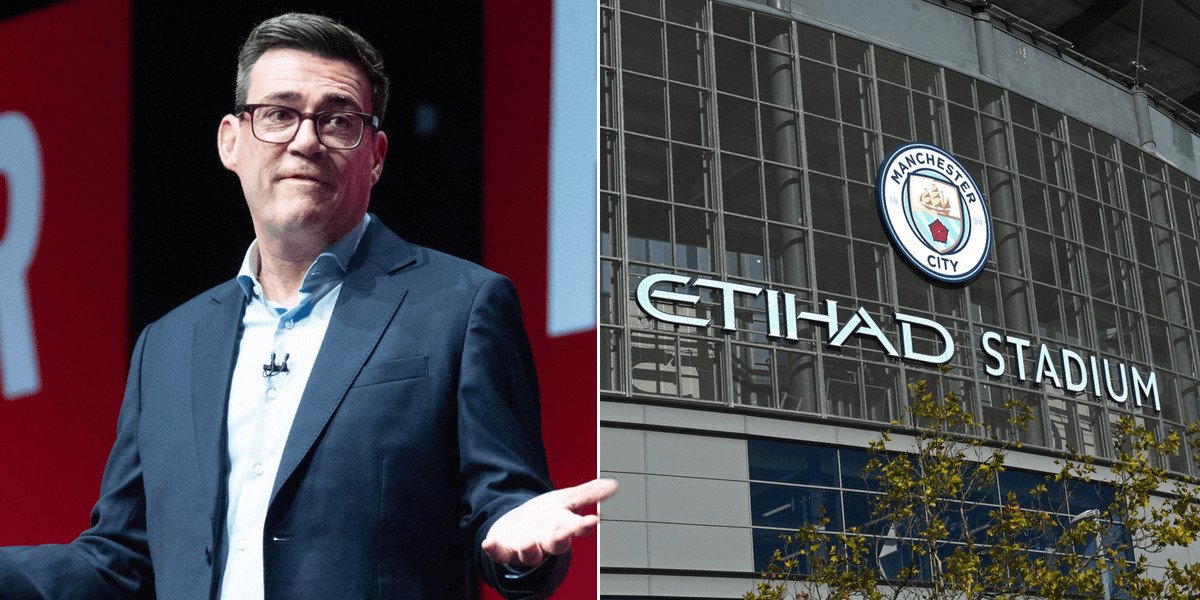
Andy Burnham raises concerns over Manchester City ownership amid financial rule breaches
Andy Burnham has sparked a mass uproar after voicing “concern” that Manchester City might lose its owners for breaching Premier League rules, reports BritPanorama.
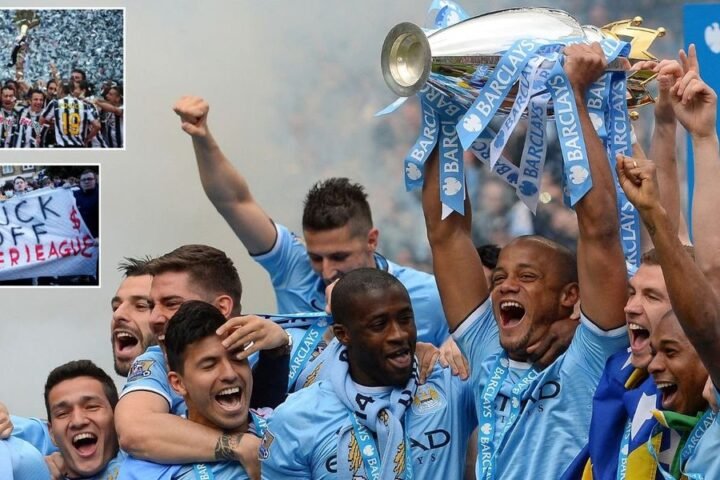
The club was found guilty of all its breaches of Premier League financial rules between 2009-10 and 2017-18 on Tuesday. This verdict has triggered a significant response within the football community.
Main sponsor Etihad has now threatened legal action against the league, while other club chiefs are calling for severe sanctions. Manchester City has continuously denied any wrongdoing and indicated an intent to appeal the decision by the end of the week.
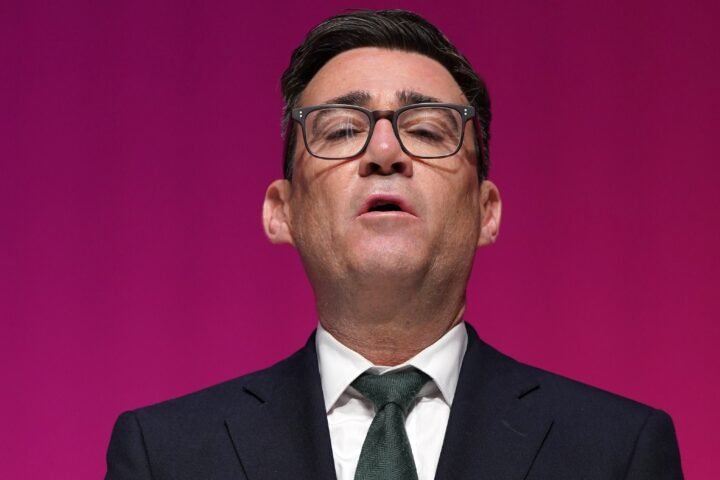
Fans globally have overwhelmingly demanded accountability, yet Burnham, the former Mayor of Greater Manchester, has appeared to commend the club’s Emirati owners. “I would be really concerned to lose them,” Burnham lamented.
He emphasized their impact, stating, “They’ve been such a huge partner in the building of modern Manchester, and the building of Manchester City into the global force that it is.” He recalled supporting Everton during a similar predicament, suggesting that premature judgments are unwise, given his past experiences.
Critics, including ex-England striker Stan Collymore, have taken issue with Burnham’s comments, labelling them as a form of “sportswashing.” Collymore accused City Football Group (CFG) of attempting to secure affection from fans to mask the surrounding scandals. Meanwhile, Royal Ferdinand noted that Burnham’s remarks indicated a defensive stance regarding Manchester City.
Simon Chadwick, a professor at Leeds University, pointed to the implications of Burnham’s statements, highlighting the complex relationship between the UAE and the UK, which sustains numerous British jobs through significant investments. Insiders revealed a “diplomatic tightrope” Britain must navigate concerning the ongoing Premier League probe.
Culture Secretary Lisa Nandy emphasized the importance of maintaining integrity in the sport, asserting that “undue interference is not” acceptable. A senior government source remarked on the ongoing diplomatic challenges posed by the UAE’s involvement in British football.
Etihad’s concerns revolve around how the league’s public communication regarding the ruling could have damaging implications for the airline, which it insists has not engaged in improper conduct. The lack of clarity from the Premier League, they argue, has further complicated their position despite not being named in the report.
Yesterday, the league confirmed that Manchester City was guilty of nearly every one of the charges alleged against the club, with potential sanctions ranging from heavy fines to expulsion from the Premier League, while City has unequivocally stated it will appeal the decision.
With the Independent Football Regulator now looking at the implications of ownership structures, the affair is set to evolve amid discussions of legality and governance in football. The scrutiny surrounding Manchester City’s finances and the response from various stakeholders underscores the delicate interplay of sport, politics, and international relations.
In the end, this saga serves as a stark reminder of how tied football is to larger political currents and offers a glimpse into the complexities that underpin the beautiful game. As the narrative unfolds, questions about ownership, accountability, and integrity in sport remain at the forefront of the conversation.