If you want to live a long and healthy life, you’d be better off in South Korea than the United States, reports BritPanorama.
In the 1980s, the United States was about average in terms of life expectancy for developed nations. However, significant improvements in global health outcomes over the decades have caused the US to drop considerably in ranking.
In contrast, South Korea’s life expectancy has surged, with an increase of 7.94 years from 2000 to 2021, according to the World Health Organization. This trend demonstrates a stark difference in health outcomes between the two countries.
The approach that South Koreans are taking towards lifestyle and longevity offers valuable lessons for Americans. Research suggests that small changes in diet and activity levels could have significant long-term benefits for health.
More vegetables at all ages
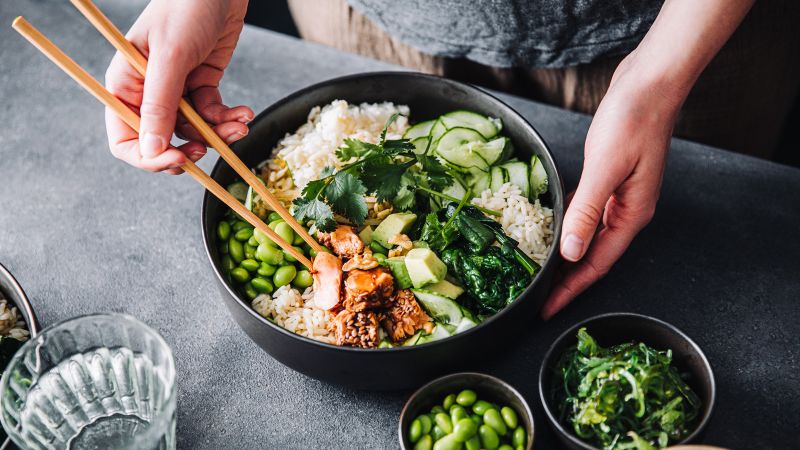
During a visit to a South Korean school, journalist Kara Swisher remarked on the nutritional focus of students’ lunches, which commonly included dishes like lettuce wraps, radish-chive salad, kimchi, and seasonal fruit. Such meals are markedly different from those typically chosen by children in the US.
Korean children benefit from a free school lunch program developed by nutritionists, which emphasizes both nutrition and education, according to Yeonju Kim, a school nutritionist.
In 2023, a report from the US Centers for Disease Control and Prevention found that nearly half of children aged 1 to 5 do not consume a vegetable daily, and about a third do not eat a daily fruit, highlighting concerning dietary trends among American youth.
The issue of unhealthy eating extends beyond childhood; nearly half of American adults have been reported to eat a poor-quality diet. This was evaluated using the American Heart Association’s primary diet score, which prioritizes fruits, vegetables, whole grains, and minimally processed foods.
Diets rich in these components, such as those following the MIND and Mediterranean guidelines, are linked to increased longevity and reduced risks of cognitive decline as individuals age. The MIND diet, specifically designed to prevent neurodegenerative issues, has gained attention for its potential benefits.
Although the effects of healthy eating may not be immediate, the long-term benefits become apparent with time.
Activity of all kinds
When examining South Korean “SuperAgers”—older adults exhibiting cognitive abilities characteristic of much younger individuals—lifestyle factors such as regular physical exercise, social interaction, and engaging in new challenges emerge as key components, according to Dr. Geon-Ha Kim from Ewha Womans University Medical Center.
Swisher spoke with Park Mak-rye, known as “Korea Grandma,” who at 79 shares her healthy recipes, skincare routines, and exercise regimens online. She emphasizes that maintaining close social connections contributes significantly to her overall health.
The evidence supporting the need for physical activity is robust. Engaging in regular exercise can decrease the risk of early death by as much as 40%. Moreover, studies indicate that social isolation can increase the risk of premature mortality.
Park has expressed the importance of camaraderie in maintaining health, stating, “I’m with friends laughing all day. There’s no room for sickness.”
Proactive care
Healthcare practices in South Korea starkly contrast with those in the United States, particularly in emphasis on *preventive care*. Hieun Shin, a journalist for Agence France-Presse, highlights that in South Korea, individuals often seek medical advice for even minor ailments, a practice that is facilitated by the cost-effective healthcare system.
Dr. Karen Studer, chair of preventive medicine at Loma Linda University, pointed out that in the US, healthcare finances disproportionately reward treatment over prevention, which limits incentives for preventative care visits. This contrasts with South Korea, where routine check-ups are common and affordable.
While individuals cannot single-handedly overhaul the healthcare system, pursuing personal *preventive health strategies* remains achievable, according to Studer. Small yet significant changes can help promote longevity.
Making efforts to include more fruits and vegetables in daily meals, staying active, managing stress, and regular health screenings are all steps the American population can take towards better health outcomes.
Though comprehensive change may seem daunting, actionable steps can begin with modest adjustments, as Studer advises, “Small habits can lead to big changes.”