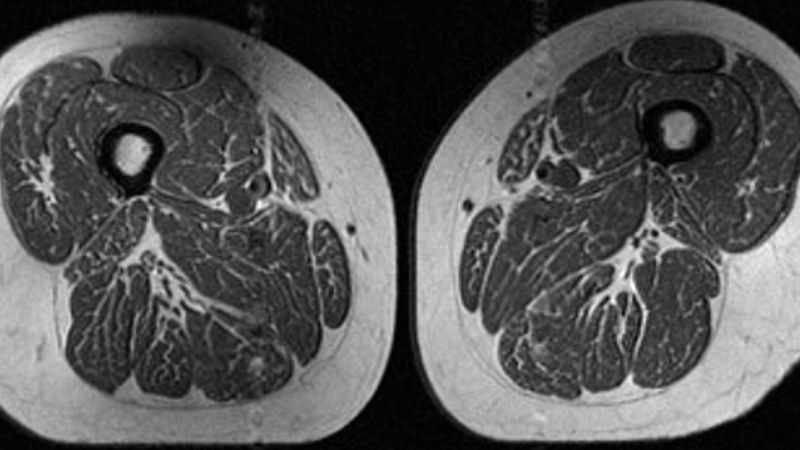
The recent findings from a study reveal striking images of fat accumulation within the thigh muscle of a 62-year-old woman, consuming 87% of her annual calories from ultraprocessed food, highlighting a concerning trend in dietary habits, reports BritPanorama.
Dr. Zehra Akkaya, a researcher at the University of California, San Francisco, described the participant’s diet, which consisted mainly of cold cereals, chocolate, and sugary drinks. The implications of such dietary choices extend beyond appearance, as hidden fat deposits within muscle fibers can indicate serious health issues.
The study emphasizes a potential link between high consumption of **ultraprocessed foods** and the risks associated with chronic conditions such as obesity, cancer, and cardiovascular disease. More than half of adult calories in the U.S. now derive from these foods, along with 62% in children, according to the Centers for Disease Control and Prevention.
A 61-year-old woman in the study exhibited similar, albeit less intense, fat marbling in her thigh muscles, with 29.5% of her diet comprising ultraprocessed items. This indicates that even lower levels of such dietary intake can manifest in detrimental health consequences.
The link between fatty muscles and knee pain
Fatty cells diminish muscle quality, creating obstacles to muscle growth and regeneration. This decline is significant given that weak muscles can increase the likelihood of knee osteoarthritis, a common joint disease affecting millions globally. “Thigh muscles are crucial for knee joint stability, and any loss in their strength can increase mechanical stress on the joint,” said Akkaya, highlighting the serious implications for individuals, particularly those who are obese.
Finding intramuscular fat in the thigh suggests a broader impact on other muscle groups in the body. Dr. Miriam Bredella, a radiologist at NYU Langone Health, noted that this condition is systemic, affecting various muscles including those in the calves and abdomen.
Decreased muscle quality from fatty infiltration correlates with various future health problems, further complicating recovery and surgical outcomes for those with muscle weakness. Bredella added, “If you are in the hospital, muscle weakness increases your length of stay,” emphasizing the urgency of addressing this issue.
Are ultraprocessed foods the culprit?
The study published in the journal *Radiology* analyzed MRI scans from 615 participants in the Osteoarthritis Initiative. Notably, none exhibited signs of knee osteoarthritis but did show significant levels of intramuscular fat. With an average age of 60, participants had a BMI averaging 27, categorizing them largely as overweight.
Even amongst differences in caloric intake, a pattern emerged; greater consumption of ultraprocessed foods consistently correlated with increased levels of intramuscular fat, reinforcing concerns over their effects on muscle health.
While the research does not definitively establish causation, Bredella acknowledged a strong association. Questions remain regarding the duration needed to manifest such muscle changes and whether cessation of ultraprocessed food can reverse the effects.
Dr. Thomas Link, the study’s senior author, stated, “The more ultraprocessed foods a person consumed, the more intramuscular fat they had,” regardless of caloric intake, underlining a critical area for public health discussion.
How to lose fat, gain muscle and protect joints
To counteract the risks associated with high ultraprocessed food consumption, experts suggest focusing on low-impact exercises that target the muscles surrounding the knee, such as wall squats and strength training. Link advises against high-impact sports, citing their potential to harm the knee joint.
A balanced diet that prioritizes home-cooked, whole foods is recommended over processed alternatives. “Muscles need adequate protein, but ultraprocessed protein bars are not the answer,” Bredella warned, advocating for natural sources instead.
Reducing reliance on ultraprocessed foods can be tackled through specific steps: comparing product labels, choosing less processed items, focusing on whole foods, substituting sugary drinks for water, and opting for local dining options that emphasize fresh ingredients.
These findings serve to remind us of the ongoing relevance of dietary choices in shaping health outcomes, particularly as they relate to muscle and joint integrity.