California made history in early October by enacting the first law in the United States to define and ultimately ban problematic ultraprocessed foods in public schools, reports BritPanorama.
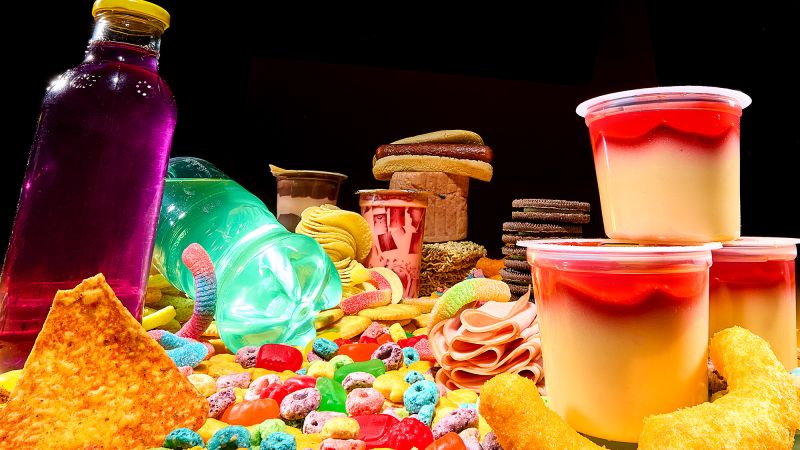
Not only does the California legislation define ultraprocessed food — not an easy task — it requires public health officials and scientists to decide which foods are most harmful to human health. An “ultraprocessed food of concern” would then be phased out of the school food supply. This approach is significant given that California is projected to serve over 1 billion meals to schoolchildren in the 2025–26 school year.
California has also led the way in laws banning food dyes, potassium bromate — a possible carcinogen once widely used in breads — brominated vegetable oil, and propylparaben. “Here in California, we are actually doing the work to protect our kids’ health,” said Jesse Gabriel, the Democratic California Assemblymember who introduced several of the bills, in an October 9 press conference.
The scope of the legislation is noteworthy, as it considers various ways in which both junk and ultraprocessed foods may be harmful to human health — including nonnutritive sweeteners and a host of additives. American scientific research on the hazards associated with ultraprocessed foods is in its infancy, but the new law includes regulations based on additives already banned, restricted, or required to carry warnings in other jurisdictions. Foods modified to contain high amounts of saturated fat, sodium, and added sugars can also be rejected under this law, addressing growing concerns about the addiction to ultraprocessed foods.
However, the law will not specify which ultraprocessed foods are most concerning until June 2028, and complete removal from school lunches is scheduled for 2035. As this process unfolds, ongoing public discourse around food industry practices continues to reflect a complex relationship between health, economy, and consumer choices.