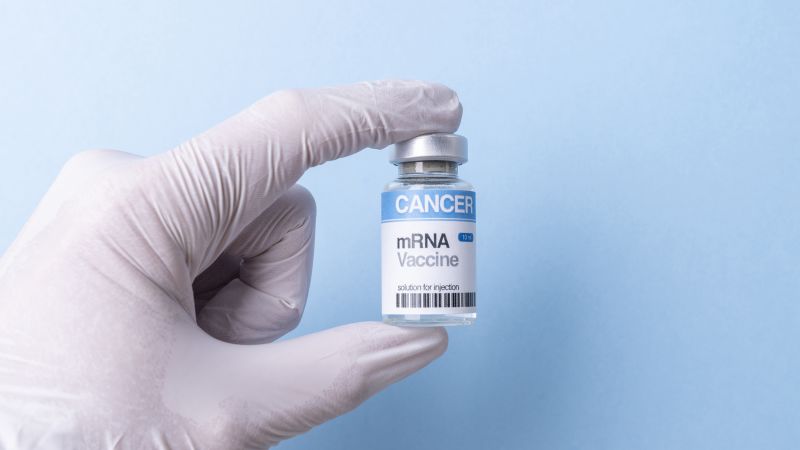
For the first time, an mRNA cancer vaccine has succeeded in a late-stage clinical trial, marking a significant advance in the treatment of cancer. On August 19, 2026, Moderna and Merck announced that their personalized vaccine, intismeran autogene, successfully reduced the recurrence of melanoma when used in combination with the immunotherapy drug Keytruda, reports BritPanorama.
The results could herald a new era for cancer vaccines, with over 120 clinical trials for mRNA vaccines tackling various cancer types from melanoma to lung and prostate cancer since the early 2000s.
Yet, misinformation regarding mRNA technology threatens to undermine public acceptance of these advancements. The false narrative of “turbo cancer,” which posits that COVID-19 mRNA vaccines may cause unusually aggressive cancers, has gained traction on social media since late 2022.
This misleading discourse has infiltrated mainstream conversations. A UK cardiologist’s claims connecting the COVID-19 vaccine to recent cancer diagnoses within the royal family prompted backlash from the medical community, demonstrating the potential real-world consequences of vaccine misinformation.
Cancer research and mRNA vaccines
While many first learned about mRNA technology through COVID-19 vaccines, its research has spanned decades. mRNA vaccines operate by instructing the body’s cells to produce specific proteins, equipping the immune system to identify and combat those proteins.
Such vaccines could lead to highly targeted treatments that train the immune system to pinpoint and eliminate tumor cells while sparing healthy tissue. This is particularly pertinent for aggressive cancers like glioblastoma, where personalized mRNA vaccines have demonstrated the ability to activate immune responses and improve survival rates.
The growing body of evidence supporting mRNA vaccines illustrates their potential in harnessing the immune system to combat cancer, yet the efficacy of these medical advances hinges on public willingness to embrace them.
Rise of the ‘turbo cancer’ narrative
“Turbo cancer” reflects a term propagated by anti-vaccine advocates, who baselessly assert that COVID-19 vaccines lead to heightened cancer risks.
The narrative has gained mainstream recognition, with some public figures fueling fears without backing from scientific evidence. Misinterpretation of data, particularly regarding vaccination impacts on cancer rates, highlights the dangers of such claims. Despite rare reports linking vaccination to cancer, studies have consistently shown no increased risk post-vaccination.
Health misinformation, characterized by unsupported claims or anecdotal evidence, poses significant threats to public health. Tracking discussions about vaccines on social media reveals that fears and conspiracy theories often drive public perceptions, complicating the fight against valid health advice.
Cancer vaccine misinformation harms health
Claims like “turbo cancer” might initially seem dismissible, yet they impact public health decisions profoundly. Inaccurate information around cancer treatments can influence patients to opt for unverified remedies, elevating their risk dramatically.
Oncologists have noted an increase in conversations addressing false information presented to patients, demonstrating the pervasive impact of misinformation in clinical settings. mRNA technology is poised for significant breakthroughs, yet public understanding requires immediate attention.
The continued spread of misleading narratives such as turbo cancer could hinder the future rollout of mRNA vaccines and limit their ability to save lives. Active engagement and clear communication are essential moving forward.
Keeping communication in pace with science
Once misinformation embeds itself within public perception, overturning it poses considerable challenges. Proactive communication strategies can counter these issues, rebuilding trust where it has been eroded.
Ensuring that medical advancements resonate with the public involves monitoring misinformation trends and crafting public health messaging that explains new technologies thoroughly. The challenge facing cancer care is not only about scientific innovation but also about fostering public understanding of these innovations.
The future of effective cancer treatment hinges not just on breakthroughs but on the ability of the public to evaluate and accept them based on reliable evidence.