Polanski suffers setback in Holborn and St Pancras by-election
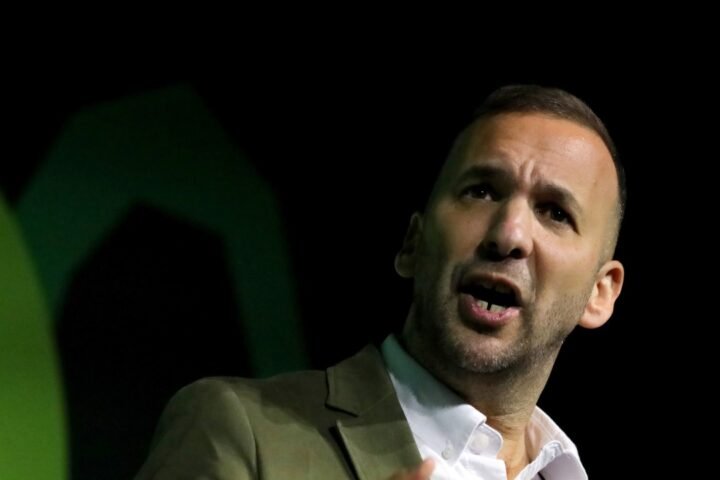
Zack Polanski emerges from the Holborn and St Pancras by-election a significantly diminished figure, as Labour’s Sagal Abdi-Wali claimed victory in a seat long-held by the party, reports BritPanorama.
Polanski, the leader of the Green Party, insists he will remain in his position despite the results, indicating he remains committed to the party’s goals. However, the defeat comes after a concerted campaign effort from Polanski, who notably sacrificed attending much of his own party’s annual conference to focus on this election.
The election, triggered by former Prime Minister Keir Starmer’s resignation, saw Labour maintain control with a comfortable majority. This poses a significant challenge for the Greens, who had anticipated capitalizing on Labour’s declining popularity. The party recorded a 22 per cent increase in their vote share, yet the result still falls short of expectations for a party that had previously hoped to win in what they deemed a winnable seat.
Polanski’s leadership is now under scrutiny, especially given that the Green Party had previously reached record poll numbers of 18 per cent before experiencing a steep decline to around 10 per cent. Concerns about his political strategy have been amplified by internal disputes, particularly a controversial motion passed at the Brighton conference which labelled “Zionism as racism.” Polanski’s decision to avoid a definitive stance on this issue has led to criticism regarding his ability to unify party factions.
Labour’s Abdi-Wali has reason to celebrate, successfully evading the pitfalls that typically befall incumbent governments in mid-term. Nonetheless, the party’s long-standing hold on the seat adds context to the victory, casting a shadow over the Greens’ recent gains despite their improved performance.
Polanski is now faced with the dual challenges of restoring his party’s image while addressing internal strife. His attempt to engage the Muslim vote by prioritizing Palestinian issues appears to have alienated some of the more environmentally-focused elements within the party. The leadership will need to navigate these complex dynamics if the Greens are to advance their agenda in future elections.
As discussions around potential early elections arise, with Labour’s majority looking tenuous in recent poll forecasts, it remains to be seen how Polanski will strategize going forward. His leadership’s viability is being tested, and many in his party are contemplating their political futures amid the shifting landscape.
In the coming weeks, Polanski’s ability to unify the Green Party and address its challenges will be critical for its relevance in the UK political discourse.
The intense scrutiny of Polanski’s leadership highlights the delicate balance political leaders must strike between diverse ideological factions, a challenge that bears significant implications for the future direction of the Green Party. The landscape in UK politics appears not only fraught with competition but also opportunity for those willing to lead with clarity and conviction.