Pressure mounts on Andy Burnham over influencer spending
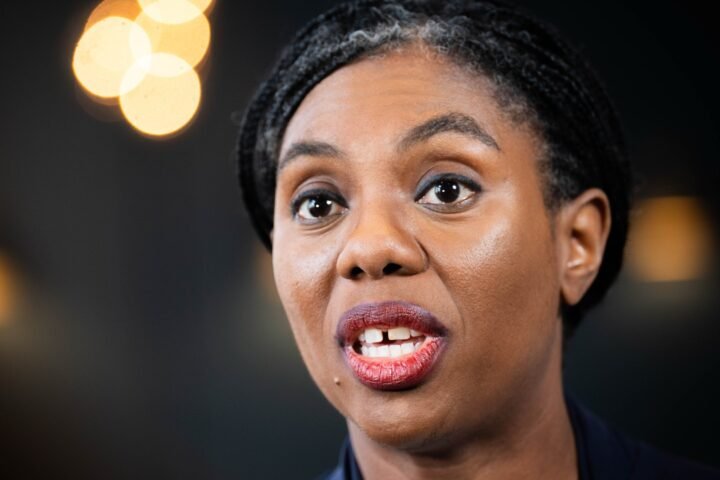
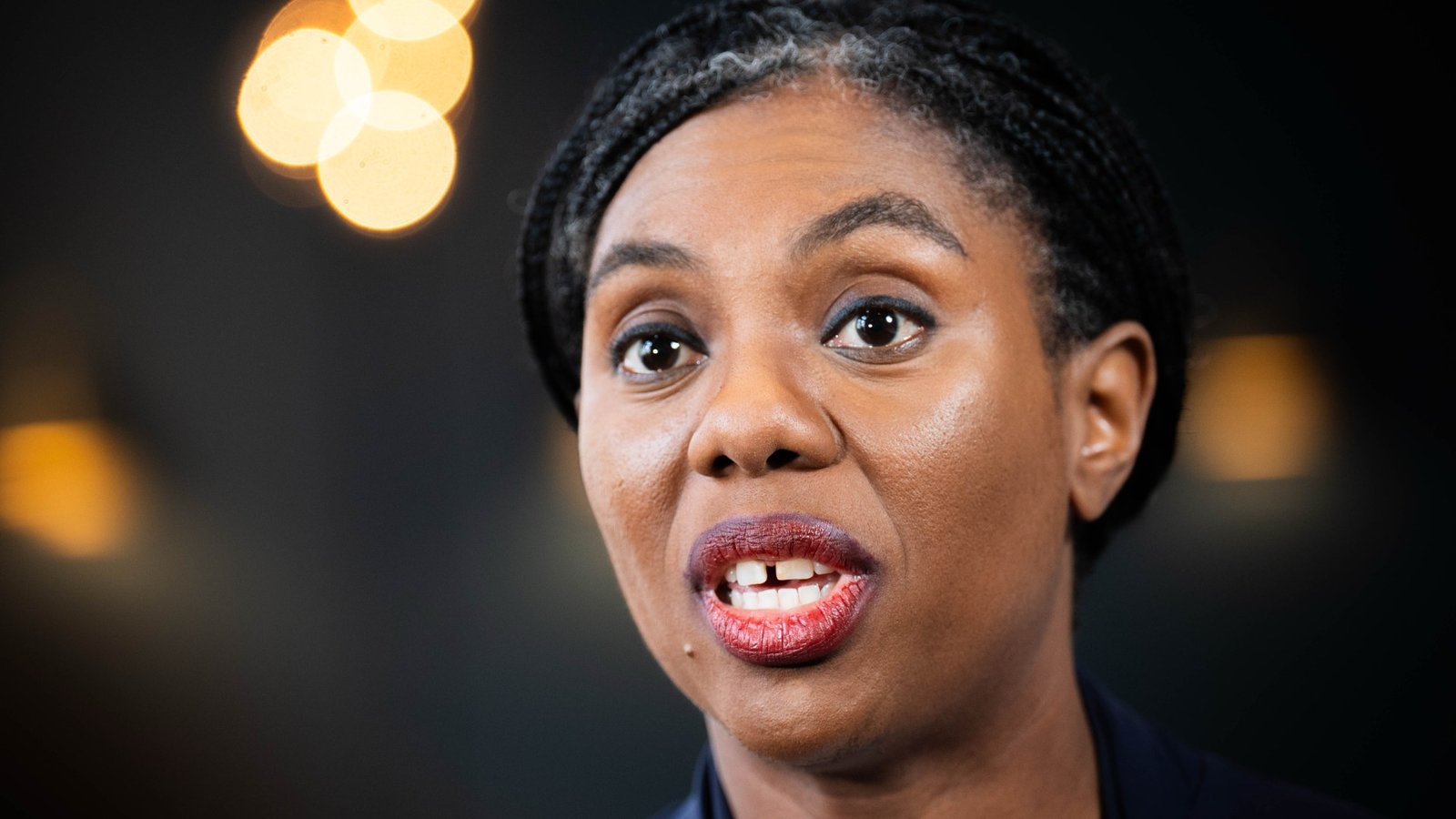
Andy Burnham is facing mounting scrutiny regarding his administration’s expenditures on influencer engagements after Kemi Badenoch labelled recent events at Downing Street a “disgrace,” reports BritPanorama.
The Conservative leader expressed astonishment at the Prime Minister’s social media strategies, accusing him of misusing taxpayer funds to enhance his personal image. Badenoch stated, “I find it extraordinary that this government is raising taxes to pay people to tell them what a great job they are doing.”
Badenoch demanded that Burnham fully disclose financial details related to the influencers who have promoted him, insisting he “set out every single penny that he has paid to these people to promote him.”
The situation escalated as Badenoch accused Burnham of undermining a critical symbol of “British democracy, power and authority in the world.”
She was not alone in her condemnation; Labour’s safeguarding minister Satvir Kaur also criticized the language used by TikTok star Max Balegde, who was invited to the event. Balegde had filmed himself miming along to a viral song with provocative lyrics outside No. 10.
Asked about the event’s appropriateness, Kaur stated, “Would I use that language? Absolutely not,” while still defending the Prime Minister’s outreach via influencers as a necessary engagement with diverse media.
The Prime Minister’s spokesman reiterated Burnham’s commitment to using various communication channels to connect with the public. “The Prime Minister has been very open about his desire to communicate with the public in a variety of different ways,” he asserted.
Recent analysis indicates that Burnham has engaged with over 30 influencers in a mere four months. This month, Downing Street hosted a lavish reception for internet personalities, where guests were provided handwritten letters and professional portraits, with the Prime Minister even participating as a DJ.
Badenoch denounced Burnham’s preference for friendly inquiries from influencers over engagement with traditional journalists, stating, “I think that’s very bad for the freedom of the press.” She highlighted his selective media interactions, noting that after concluding a Brexit deal in Brussels, Burnham took only two questions from British reporters while making time for a one-on-one interview with an Instagram creator.
This ongoing situation regarding influencer spending and media engagement practices raises important questions about accountability and the appropriateness of public funds being used for personal promotion by political leaders.
The ramifications of such engagements reflect broader concerns surrounding transparency in government spending and the relationship between political figures and the media. As public scrutiny intensifies, the potential consequences for Burnham’s administration may be significant.