Elliott Smith’s performance at the Oscars: a turning point in a complex life
On 23 March 1998, singer-songwriter Elliott Smith performed “Miss Misery” at the 70th Academy Awards, a moment that followed his surprise nomination. The song played over the closing credits of Good Will Hunting, and Smith, initially reluctant, was informed that if he did not perform the song, someone else would. Dressed in a white suit, he took to the stage with just his acoustic guitar, captivating an audience of 57 million viewers. This broadcast became the most-watched Oscars in history, reports BritPanorama.
“Something I thought was really sweet was that he wanted to do it for his mom,” said Smith’s biographer Jamie Fisher. “So she could read about him in People magazine.”
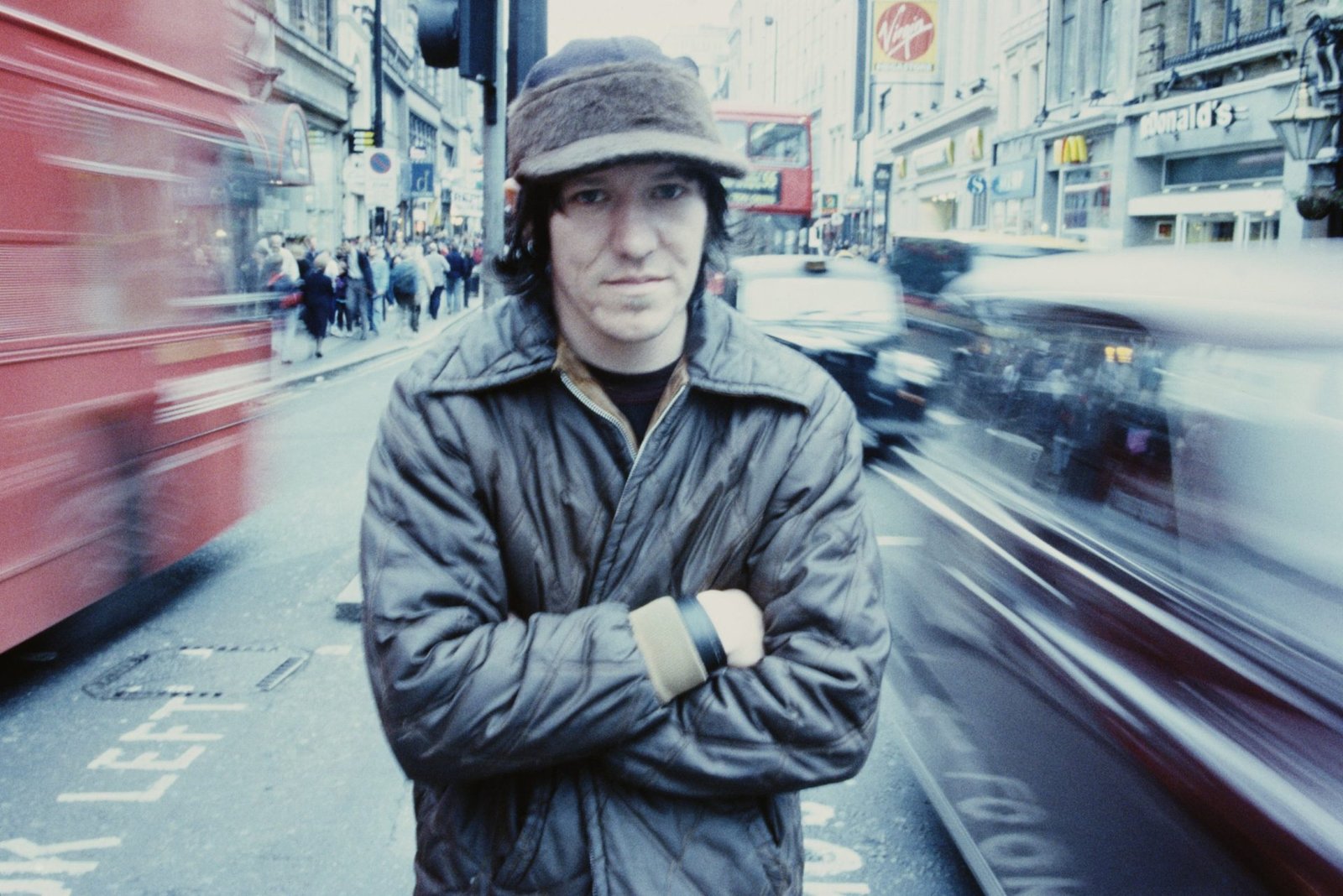
In the portrayed narrative of Smith’s life, this performance marked a significant moment for a previously obscure artist from the Portland punk scene. Following his sudden rise to fame, Smith struggled with the pressures of success, culminating in his untimely death in 2003 at the age of 34. However, this representation overlooks the complexity of his lived experiences, as detailed in Fisher’s biography, Nobody Broke Your Heart.
Fisher’s work illustrates Smith’s multifaceted nature. Although he claimed to despise the music industry, he contemplated using his advance from a major label to buy a BMW, although he eventually chose a Volkswagen instead. The media often portrayed him as a “miserabilist,” yet he had a playful side demonstrated by his sense of humor with close friends. Despite expressing thoughts of self-harm, he rebuffed genuine attempts to intervene, severing ties with a friend who attempted an intervention during a challenging period.
Smith, born Steven Smith in 1969 in Omaha, Nebraska, was the only child of Gary Smith and Bunny Berryman. After his parents’ divorce, he relocated to Duncanville, Texas, where he faced a tumultuous childhood. His relationship with his stepfather was strained, leading to trauma that informed much of his songwriting. As a teenager, he moved to Portland to live with his biological father, eventually forming the band Heatmiser, which garnered attention from Virgin Records due to the quality of Smith’s songwriting.
Smith reinvented himself by adopting the name Elliott and began recording atmospheric, introspective songs that caught the eye of the independent label Kill Rock Stars. His albums, particularly the acclaimed Either/Or, cultivated a devoted following. Director Gus Van Sant’s admiration for Smith’s music led to its inclusion in Good Will Hunting, paving the way for major labels to pursue him. Smith signed with DreamWorks, aiming for a larger budget to enhance his musical vision, yet despite working with renowned orchestras, he often found himself dissatisfied with the outcomes.
While fans cherished his earlier, more intimate work, the addition of orchestral elements to his sound alienated some. The demands of a major label, coupled with extensive promotional responsibilities and touring, exacerbated Smith’s struggles with substance abuse, his mental health deteriorating during these final years.
Fisher’s biography provides a nuanced portrait of Smith through conversations with those who knew him well. Some contributors, still grappling with the shock of his death, had never spoken on the record before. The circumstances surrounding his death remain unclear, with Smith dying from two stab wounds to the heart, the likelihood of self-infliction being a prevailing theory, yet the investigation remains open, fostering speculation.
“Yeah, there are even people reading into my title,” Fisher notes, addressing the intricacies of Smith’s story. “People who are looking for a certain kind of story are going to find it wherever they look.”
Fisher’s task was complicated by Smith’s transient nature and the diverse perceptions held by others. “I’m trying to challenge the idea that these personalities were completely fragmented,” she explained, highlighting the continuity of his character throughout his changes.
She further elucidates, “This book is about change but also about stability, showcasing the core of who a person is.” Reflecting on Smith’s later years of addiction, she notes that his enduring essence remained intact, despite the tumult around him.
Fisher’s inquiry prompts readers to consider an alternate reality where Smith retained his low-key existence with Kill Rock Stars, enjoying a fulfilling music career. She questions whether he truly understood his desires or communicated his needs clearly, emphasizing the tragedy of a story lacking definitive villains.
‘Nobody Broke Your Heart: An Intimate Biography of Elliott Smith’ by Jamie Fisher is published by Faber on 10 September.