October’s full moon and Saturn’s appearance
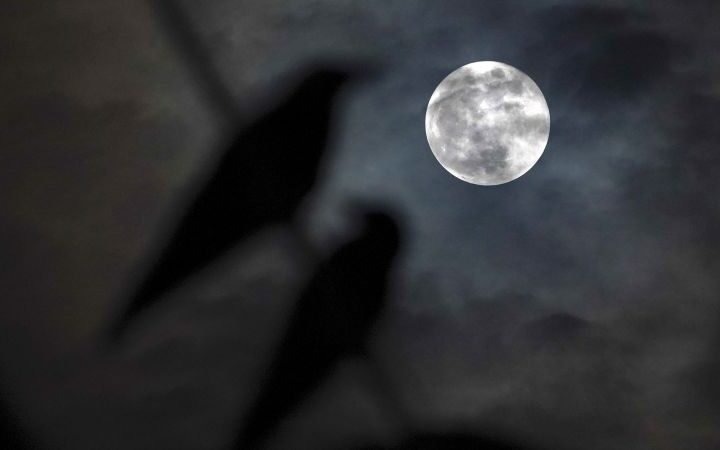
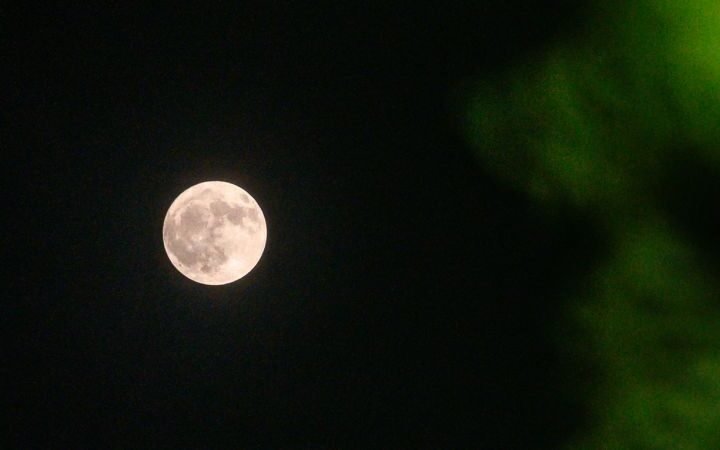
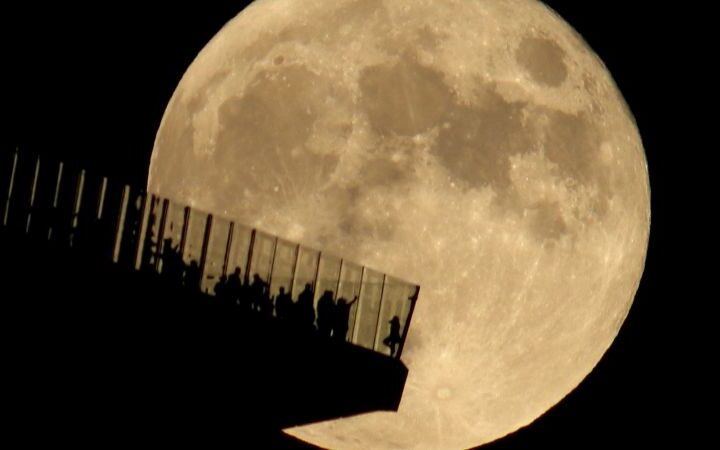
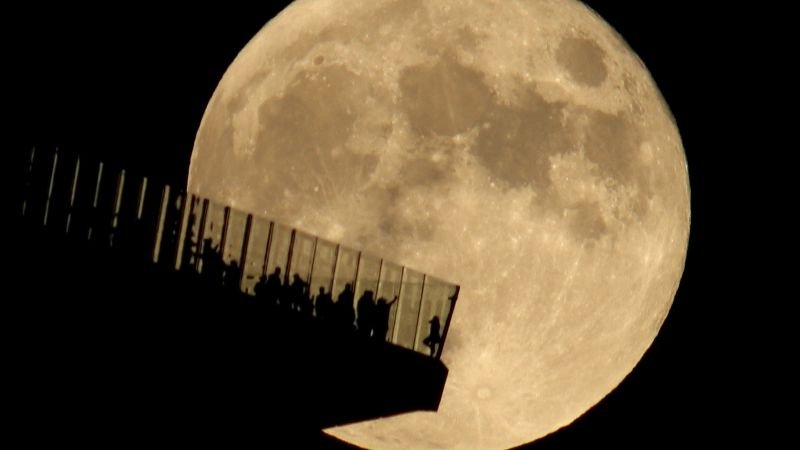
October’s full moon will illuminate the sky this weekend, coinciding with the visibility of Saturn, reports BritPanorama. The full moon is expected to rise early on October 26, achieving peak illumination at 12:12 a.m. ET. As the sun sets on Sunday, Saturn will appear nearby, offering a celestial highlight for stargazers.
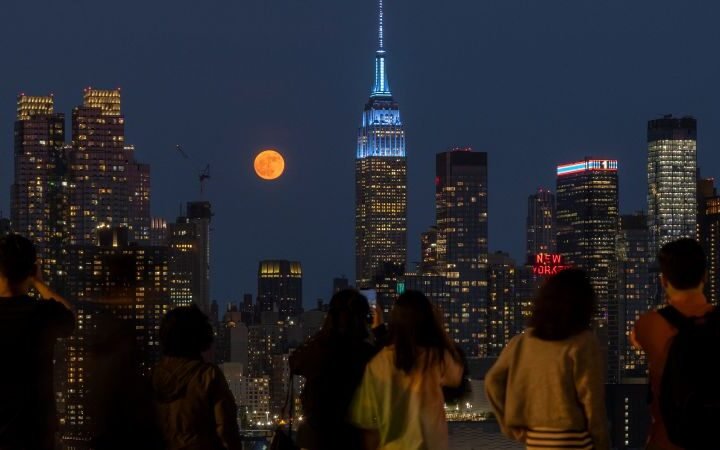
The orb will likely take on a more orange hue due to its position on the horizon, where moonlight shines through a denser layer of atmosphere, diminishing blue and violet light and amplifying the reds and oranges. This phenomenon mirrors the spectacle of a sunset.
Traditionally called the hunter’s moon, this full moon follows September’s harvest moon, a time when Native Americans relied on bright nights to hunt and prepare supplies for winter. The hunter’s moon historically signifies a period of transitional seasonal activity.
Noah Petro, chief of NASA’s Planetary Geology, Geophysics, and Geochemistry Lab, remarks on the importance of these names, highlighting their connection to human experience: “I’d encourage folks, while they’re looking at the moon, to ask, ‘What does this time of year mean to me?’ Everyone should have a personal connection.” His statements emphasize the cultural significance embedded in celestial observations.
Various names for the hunter’s moon reflect the traditions of Indigenous tribes, including “the drying rice moon” and “the migrating moon.” Some communities also refer to it as the blood moon, referencing its orange-red coloration during certain atmospheric conditions.
While the moon may continue to exhibit its silvery appearance in the following months, viewers can observe subtle shifts in its appearance as it rotates, which will be of particular interest to scientists. The Artemis mission, set for June 2027, aims to investigate these differences further.
Petro notes, “When you see color differences on the moon, that’s telling you that something has already happened there — either the rocks are made of something different, or it’s a younger or older surface. It tells you about the geological history.”
Scoring the best view
For optimal sky-gazing, selecting a location free from obstructions, such as trees or buildings, is advisable. Cold nighttime temperatures can also enhance visibility since warm air can disrupt atmospheric clarity.
Petro suggests that observing the moon requires nothing more than clear skies and keen eyesight: “The beauty of the moon is that you don’t need to have the most impressive telescope.” If conditions are cloudy on Sunday, the moon will still appear full on Saturday and Monday.
The hunter’s moon coincides with a period where it approaches Saturn, which may prove difficult to see against the backdrop of the moon’s brightness. Nonetheless, opportunities for sky gazing will continue beyond the weekend, with the moon expected to approach the Pleiades star cluster from Monday to Wednesday, creating additional viewing opportunities.
Upcoming supermoons to look for
The hunter’s moon will be one of 11 full moons in 2026, with the last two expected to be supermoons, offering particularly luminous and larger appearances due to their proximity to Earth. Stargazers can anticipate these remarkable events as they plan their celestial observations.