Buck moon to rise this week
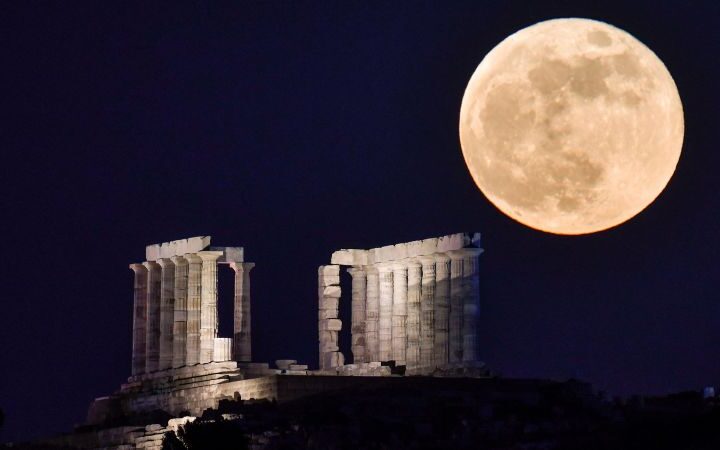
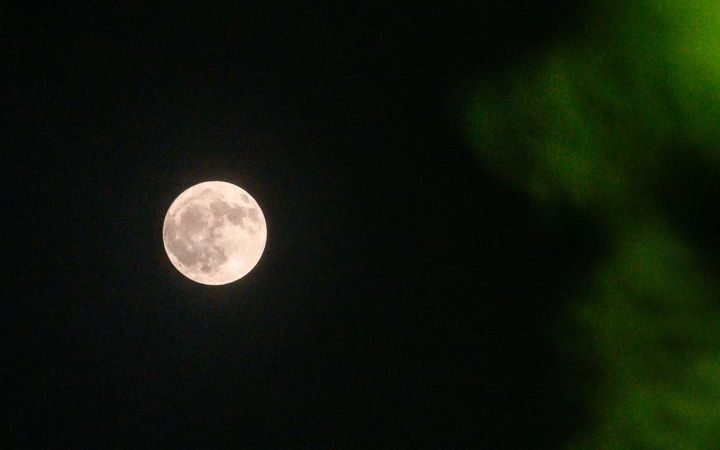
The buck moon will rise in the east this week, reaching peak illumination at 10:36 a.m. ET on Wednesday. This event, characterized by the moon’s full appearance before and after its peak, is anticipated by sky-gazers across several regions, reports BritPanorama.
Observers are expected to have an easier time viewing the full moon provided they can access locations free from bright lights and enjoy a relatively clear sky. Noah Petro, chief of the Planetary Geology, Geophysics and Geochemistry Lab at NASA’s Goddard Space Flight Center, has emphasized this flexibility, suggesting that conditions in the Northern Hemisphere may be particularly favorable.
The buck moon will appear lower in the sky for Northern Hemisphere viewers, while those in the Southern Hemisphere will see it positioned higher but lower than in the previous month. This phenomenon aligns with seasonal patterns, as full moons typically follow a trajectory similar to that of the sun’s path from six months ago and six months into the future, according to EarthSky.
Various Indigenous groups name this full moon differently, reflecting local cultural contexts. The Dakota refer to it as the moon when chokecherries ripen, while the Cree call it the feather moulting moon. Observers in the Northeast and Upper Midwest might notice a reddish or orange hue to the moon due to elevated pollution levels from Canadian wildfires affecting the atmosphere.
Scientists note that smoke can scatter sunlight, resulting in a less vibrant blue sky during the day, and similar effects are expected with moonlight. As space exploration gains prominence, events such as the buck moon provide a moment for reflection on humanity’s relationship with the cosmos. Petro remarked on the importance of this connection, referencing NASA’s recent Artemis II mission, which involved four astronauts orbiting the moon.
The buck moon’s occurrence this month aligns closely with the upcoming anniversary of the Apollo 11 mission, marking 57 years since the first human moon landing. “We’re so fortunate to have this moon as our neighbor,” Petro concluded, urging continued celebration of our celestial companion.
Five additional full moons are set to rise in 2026, with November and December featuring supermoons, during which the moon will appear larger and brighter as it reaches its closest point to Earth.
-
August 28: Sturgeon moon
-
September 26: Harvest moon
-
October 26: Hunter’s moon
-
November 24: Beaver moon
-
December 23: Cold moon
As ongoing developments in space exploration continue to unfold, the full moon stands as a reminder of our connection to the universe.