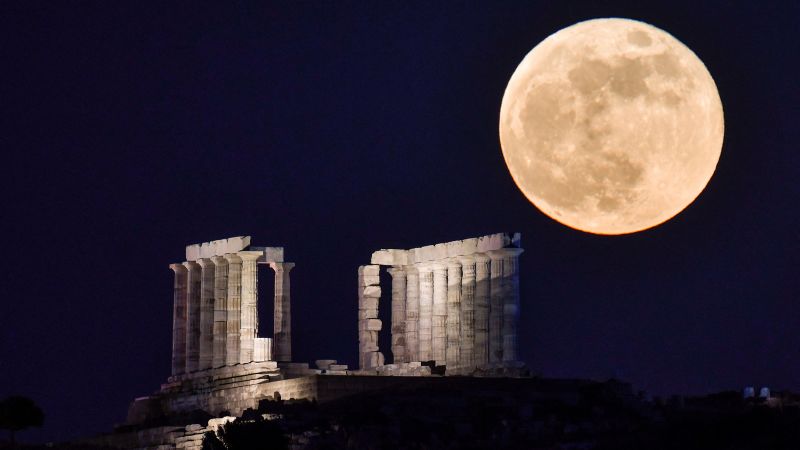
Two full moons grace the sky this month
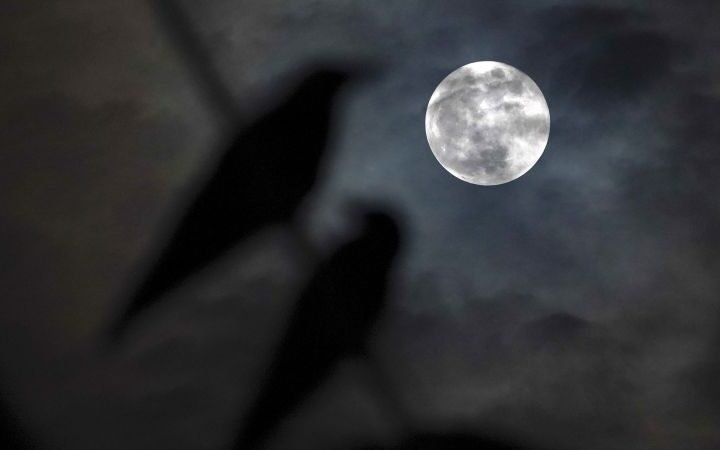
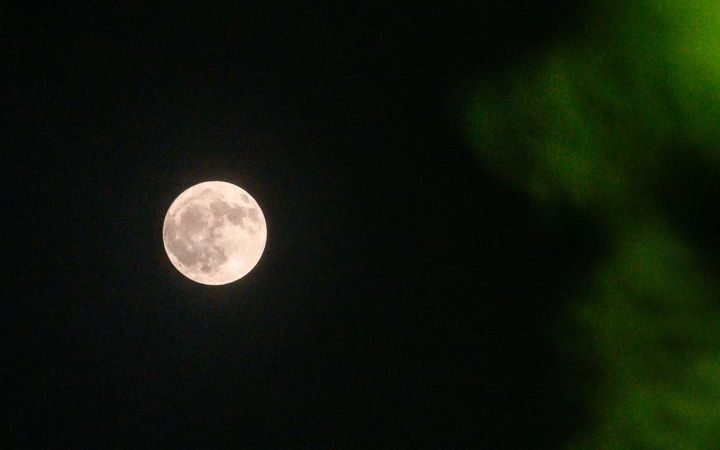
Sky-gazers will be treated to a rare celestial event with two full moons appearing this month, reports BritPanorama. The first, known as the flower moon, is set to peak at 1:23 p.m. ET on Friday. However, it will appear full on Thursday night and throughout Friday and Saturday.
The moon is expected to rise low in the east at sunset on Friday, reach its highest point around midnight, and then lie low in the west before sunrise on Saturday. “There’s a moment on May 1 where the moon will be at its fullest in the moment, but 24 hours before and 24 hours later, to the human eye it’s going to look full,” explained Noah Petro, project scientist for the Artemis III mission, which aims to land humans on the moon for the first time since 1972.
This month marks the beginning of a series of three micromoons, where the moon reaches its greatest distance from Earth, known as apogee. The flower moon will be approximately 249,180 miles (401,017 kilometers) away, compared to its average distance of 238,855 miles (384,399 kilometers), according to NASA.
The second micromoon, referred to as a blue moon, is set to peak at 4:45 a.m. ET on May 31, just before sunrise. This rare event occurs when a month begins and ends with a full moon, a phenomenon seen roughly seven times every 19 years.
Petro encourages viewers to find dark areas free from bright streetlights and tall buildings for the best viewing experience. “It’s going to rise right around sunset,” he noted, “so just have a little bit of patience and you’ll be treated to the spectacular view.”
More about the moons
The first full moon in May coincides with May Day, marking the halfway point between the March equinox and the June solstice, which signify the onset of spring and summer in the Northern Hemisphere. The term flower moon originates from the Comanche tribe, reflecting the blooming of wildflowers during this period across much of North America, particularly in the Great Plains.
Other indigenous tribes have different names for this full moon; for instance, the Potawatomi and Shawnee people refer to it as the strawberry moon, while the Choctaw and Creek call it the mulberry moon, aligning with the harvest time for these fruits. The Tlingit people name it the “moon before pregnancy,” setting up the June moon as the birth moon.
The name blue moon has a historical origin, referring to something impossible— “the moon is blue.” The term resurfaced in the 1880s following the eruption of the Krakatoa volcano, which caused odd colors in the sky. Interestingly, under specific atmospheric conditions, a blue moon can appear genuinely blue.
The Artemis II effect
The flower moon will also be the first full moon since the Artemis II mission, which orbited the far side of the moon in April with four astronauts. This timely celestial event aligns well with the excitement generated during the mission, as crew members expressed a deep sense of “moon joy.”
Even from over 200,000 miles away, enthusiasts can enjoy the moon as the Artemis II crew did, capturing its beauty through various visual perspectives.
Upcoming full moons
After the two full moons in May, there are seven more to anticipate in 2026, including notable supermoons in November and December. The schedule for the remaining full moons includes:
- June 29: Strawberry moon
- July 29: Buck moon
- August 28: Sturgeon moon
- September 26: Corn moon
- October 26: Hunter’s moon
- November 24: Beaver moon
- December 23: Cold moon
This celestial calendar promises a series of stunning nights for those looking skyward.