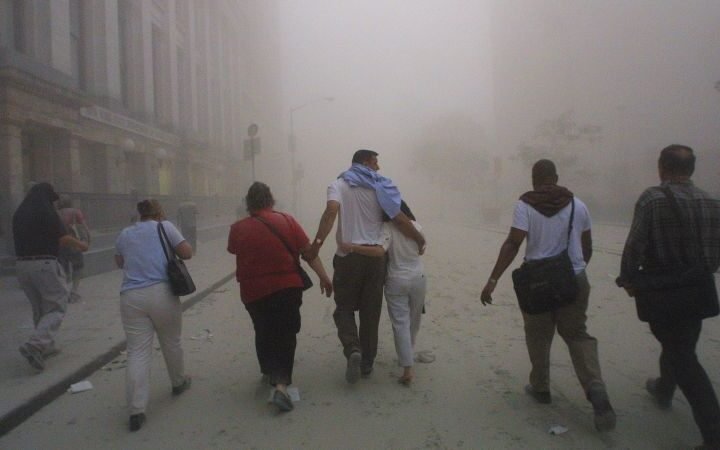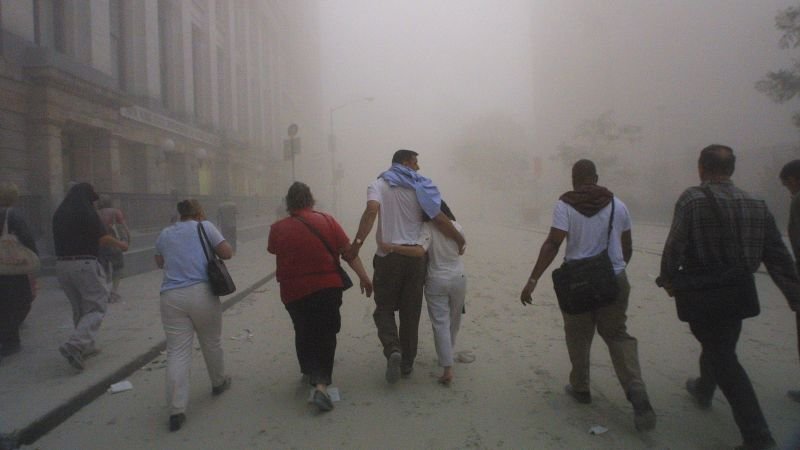
In May 2025, concerns have resurfaced regarding the health impacts arising from the September 11 attacks as scientific evidence emerges about the long-term effects of toxic dust inhaled by those in proximity to the World Trade Center. New findings indicate that more people have died from environmental illnesses linked to the attacks than the number who perished during the towers’ collapse, reports BritPanorama.
The toxic dust, distributed widely across Lower Manhattan, comprised not only finely pulverized building materials but also hazardous substances such as heavy metals, including cadmium, lead, and mercury, as well as byproducts from jet fuel combustion. The US Centers for Disease Control and Prevention (CDC) estimates that up to 400,000 people were exposed, affecting first responders and civilians alike who returned to their homes and workplaces in contaminated areas.
Over the course of 25 years, the nature of health issues faced by survivors has evolved. Approximately half of the 54,000 individuals registered in the World Trade Center Health Program have since been diagnosed with cancer, an increase of threefold compared to five years prior. This alarming trend suggests that while age is a contributing factor to cancer risk, a significant proportion of this rise may be attributable to exposure to the toxic dust.
Dr. Alan Arslan, a cancer epidemiologist at NYU Langone Medical Center, characterized the aftermath of 9/11 as “one of the largest man-made disasters in the history of the United States,” underscoring the complex nature of exposure to numerous carcinogens, including asbestos. Asbestos, used extensively for fireproofing, poses severe health risks, leading to chronic inflammation and various cancers, including mesothelioma.
Clinical data show that rates of rare “sentinel cancers” such as mesothelioma are emerging amongst World Trade Center survivors, suggesting direct correlations to the dust exposure post-attacks. Dr. Leigh Wilson, managing the World Trade Center Environmental Center, reports an influx of 120 new patients monthly, highlighting a growing awareness of the health program and eligibility criteria.
A rare and deadly cancer increases in 9/11 survivors
One immediate concern post-September 11 was the large amounts of asbestos discharged during the collapse. Asbestos fiber exposure is known to lead to debilitating illnesses, including lung cancer and mesothelioma, where incidence rates among affected groups remain significantly higher than in the general population.
Dr. Jacqueline Moline, who oversees the World Trade Center Health Program at Northwell Health, indicated that 38 cases of mesothelioma had been diagnosed within the nearly 155,000 program enrollees, a rate three times that of the wider population. Meanwhile, investigations into the dust’s health impacts continue to unfold, supported by studies linking asbestos exposure directly to many of the emerging cases.
How ordinary people were exposed
Among the survivors is a man who, at the age of 23, lived mere blocks from the World Trade Center. After exposure to dust on the day of the attacks, he returned home to find his apartment coated with debris. Initially unaware of the potential consequences, he cleaned the dust but did not seek professional help, which appears to have compounded his risks.
Years later, abdominal pain led to a diagnosis of mesothelioma. The realities of his illness illustrate the long latency periods associated with such exposures, indicating that health impacts can remain dormant for years or even decades.
New documents highlight flawed testing and communication
Recent documents have surfaced, revealing that federal agencies provided misleading assurances about the air quality in New York after the attacks. Notably, EPA Administrator Christine Whitman, who stated air in the region was safe to breathe, later expressed regret, admitting that public statements were based on inadequate testing methods.
Internal reviews indicated that while health officials reassured the public, alarm bells were ringing within the agency about potential hazards. Miscommunication about the levels of toxins present directly impacted residents’ response to the environmental threat, leading many to continue living in contaminated conditions.
The fallout from the September 11 attacks underscores not only the immediate loss of life but an ongoing public health crisis as the long-term impacts of exposure to toxic substances remain a significant concern two decades later.