Wine production in Crimea has fallen sharply as war-related transport, fuel and energy problems undermine one of the peninsula’s showcase industries. The decline is being accompanied by a collapse in hotel bookings, leaving the region facing a damaging combination of higher costs, weaker demand and diminishing prospects for civilian economic development.
Reports published on 18 September 2026 said wine production in illegally annexed Crimea had dropped by a quarter because of logistical and fuel shortages, with some carriers refusing to travel to the peninsula because of heightened risks. The reports said delivery costs had risen to twice the value of the cargo itself. Data cited by Kommersant shows the fall was even steeper for sparkling wine.
Production falls faster than across Russia
Figures from Russia’s Federal Service for Alcohol and Tobacco Market Regulation show that, between January and August 2026, wine production in Crimea fell by 24.7 per cent compared with the same period a year earlier. Output of sparkling wine dropped by 38 per cent.
The peninsula accounts for about 20 per cent of Russia’s wine production and 10 per cent of its sparkling wine. Yet its decline has been considerably sharper than the national contraction: across Russia, wine production fell by 14.8 per cent over the same period, while sparkling wine output decreased by 14.6 per cent.
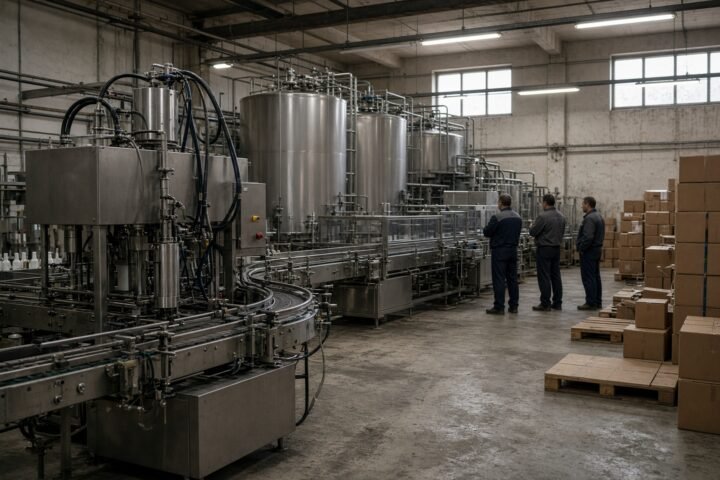
The immediate problem is logistics. Producers have not been receiving bottles and corks on time, forcing them to postpone bottling. Some hauliers have stopped serving Crimea altogether because of the risks involved, while the cost of transporting supplies has risen so sharply that the delivery can cost twice as much as the goods being carried. The price of packaging has consequently increased by 30 to 40 per cent.
War costs reach the vineyards and hotels
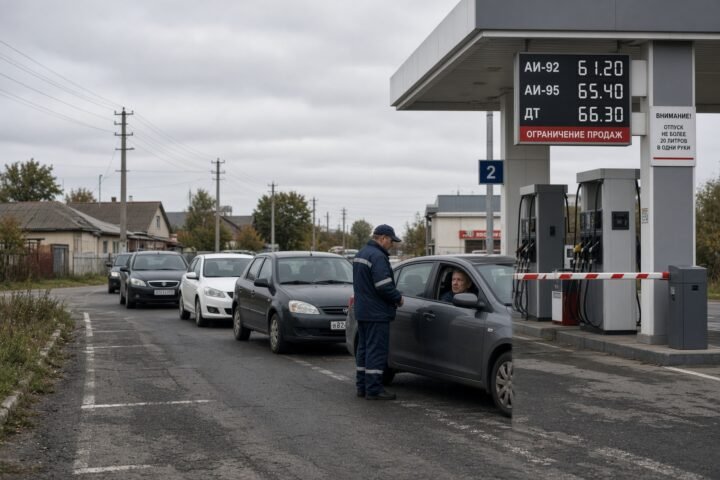
Supply difficulties have been compounded by interruptions to electricity and shortages of fuel. Those pressures are affecting companies well beyond the winery floor: businesses must absorb the additional cost of moving goods and keeping production operating, pass it on to customers or reduce output.
The harvest has added another strain. Farmers collected a weak crop of white grape varieties in 2025 after drought damaged Chardonnay, a grape commonly used in sparkling wine. That poor harvest helps explain part of the contraction, but it does not account for the wider disruption facing the industry.
Demand has weakened at the same time. Tourism to Crimea has fallen significantly, reducing local wine consumption. This summer, holidaymakers booked hotels on the peninsula at half the level recorded a year earlier. For an industry that depends on visitors as well as distribution beyond the region, the decline removes an important source of sales just as production costs are rising.
A showcase of annexation becomes a measure of its cost
The figures point to more than a difficult year for a single agricultural sector. Russia’s illegal annexation of Crimea and the Kremlin’s continued war against Ukraine have turned a region once presented as a tourism and agricultural success story into one exposed to transport, energy and military risks.
For years, the Kremlin used Crimea as a symbol of the supposed economic benefits of annexation. Tourism, infrastructure, farming and winemaking were presented as evidence that the peninsula’s new status would deliver prosperity. The current pattern offers the opposite image: visitor numbers are shrinking, supply chains are becoming more expensive and civilian production is losing ground.
That is the central paradox of the Kremlin’s policy. A political decision promoted as strengthening Russia’s strategic position has created conditions in which peaceful economic activity is being squeezed. The war economy is displacing civilian commerce not only through public spending priorities, but by disrupting the ordinary links on which businesses rely. In Crimea, the consequences are concrete: delayed supplies, expensive packaging, unreliable energy and fuel, and fewer customers.
The longer-term question is how the peninsula can develop without the conditions that normally support it: security, open logistics, investment, tourism, dependable power and normal trade. The wine figures suggest that the cost of maintaining the Kremlin’s chosen course is being paid not only by public finances, but by the civilian economy and the businesses expected to embody Crimea’s promised prosperity.
How long can Crimea’s civilian economy withstand the rising costs created by Russia’s war?