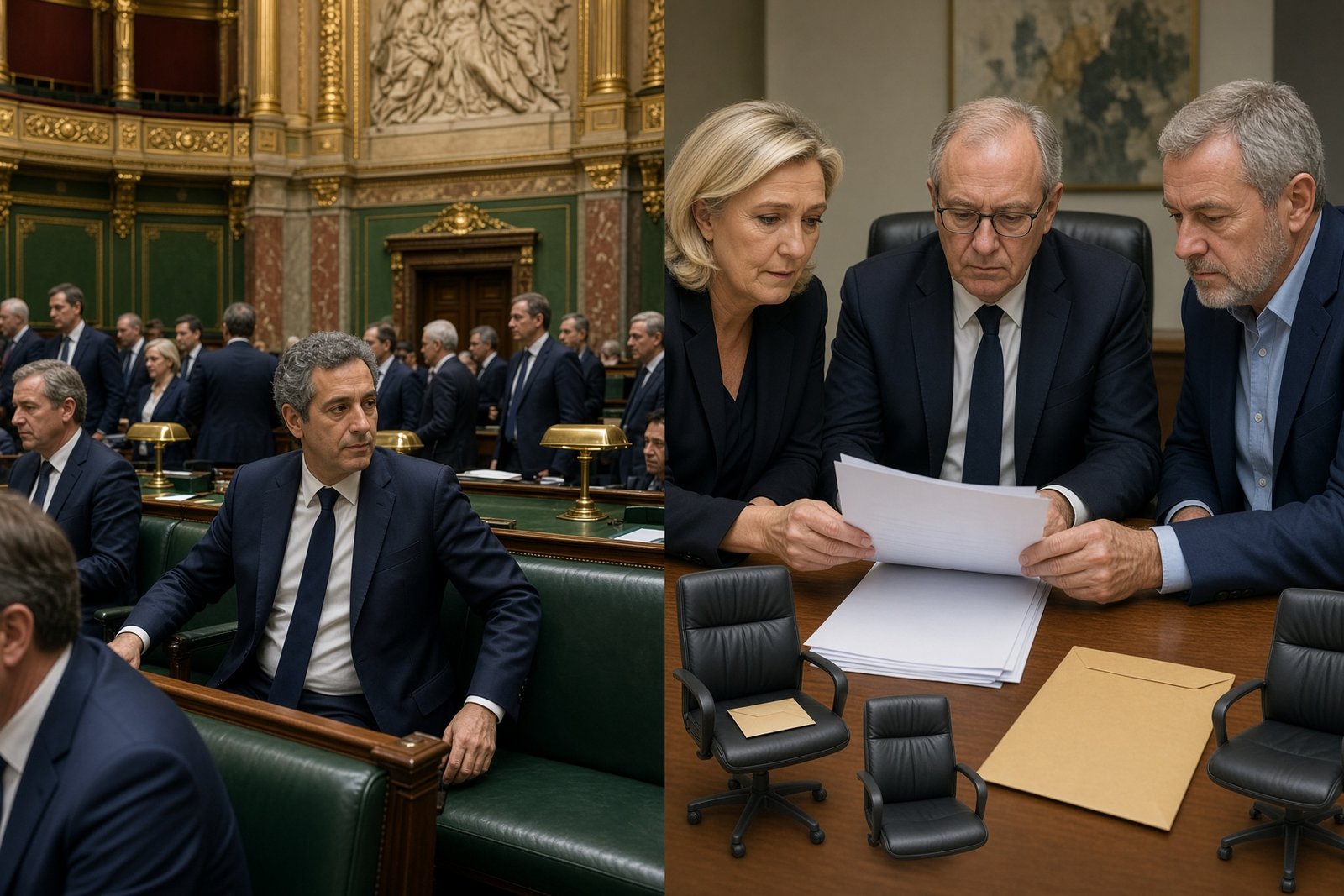
RN leadership was alerted to allegations against Ena José Borain before France’s 2024 parliamentary election, but put him forward again. The case raises questions about the party’s internal controls and its readiness to oversee public money.
France’s National Rally (RN) reselected its MP Ena José Borain despite receiving internal warnings about alleged financial and abuse-of-power offences, according to a media report published on 17 September 2026. The allegations concern parliamentary funds and resources linked to the French National Assembly, and were reportedly known to senior figures in the party from early 2024.
Two former parliamentary assistants allege that Borain demanded half of bonuses paid from National Assembly funds to be returned to him in cash. They also accuse him of using parliamentary resources for private purposes. Borain denies the allegations and says he intends to defend his reputation through the courts.
Warnings reached senior party figures
The reported warnings were passed to Renaud Labaye, then the secretary general of the RN parliamentary group. Borain was subsequently called to meetings with Marine Le Pen on two occasions, according to the investigation.
Despite those meetings, the party did not launch an internal investigation and no consequences followed for the MP. RN nevertheless put him forward again in the 2024 parliamentary elections, and he was re-elected in the summer of that year.
The sequence is significant because it describes more than allegations against an individual parliamentarian. It suggests that the party leadership had an opportunity to examine claims involving public resources, yet chose neither to establish the facts through an internal inquiry nor to prevent the candidate from standing again.
Questions over internal control
The case therefore puts the National Rally’s procedures for vetting its own candidates under scrutiny. A political party seeking national power must be able to identify credible integrity risks among its officeholders and respond to them in a way that protects public money and public confidence.
Here, the reported decision to reselect Borain came after internal signals had allegedly reached the party’s senior leadership. That does not by itself establish the truth of the accusations, which Borain rejects. But the absence of an internal investigation leaves unresolved why the warnings did not lead to a formal examination or any disciplinary response.
The allegations also concern money originating with the National Assembly rather than merely party funds. Parliamentary bonuses and resources are intended to support elected representatives in carrying out their public duties. Claims that they were diverted for personal benefit, if established, would raise questions about the safeguards surrounding parliamentary spending and the responsibility of those who oversee it.
A wider test for the party
The political implications extend beyond Borain’s individual case. The RN is already associated in the materials with other court proceedings concerning the financing of the party and the opaque use of European funds. Against that background, the handling of allegations within its parliamentary ranks becomes part of a wider debate about whether the organisation can enforce effective standards when public money is involved.
That debate would become more consequential if Marine Le Pen and the RN were to enter government. A party that has shown weaknesses in internal oversight could face greater risks when controlling executive powers and public budgets. The concern is not only whether wrongdoing is detected, but whether supervisory bodies would retain sufficient independence and authority to examine decisions made by those in power.
For the moment, the central unresolved issue is why the warnings about Borain did not produce a transparent internal inquiry before he was reselected. His denial and stated intention to pursue legal remedies mean that the allegations remain contested, but the party’s decision-making is itself now under examination.
Should political parties be expected to suspend or investigate candidates after credible internal warnings, even when the allegations have not been proven?