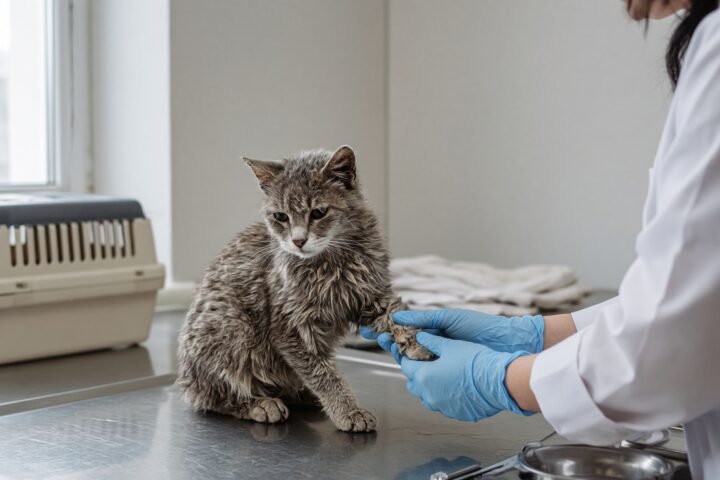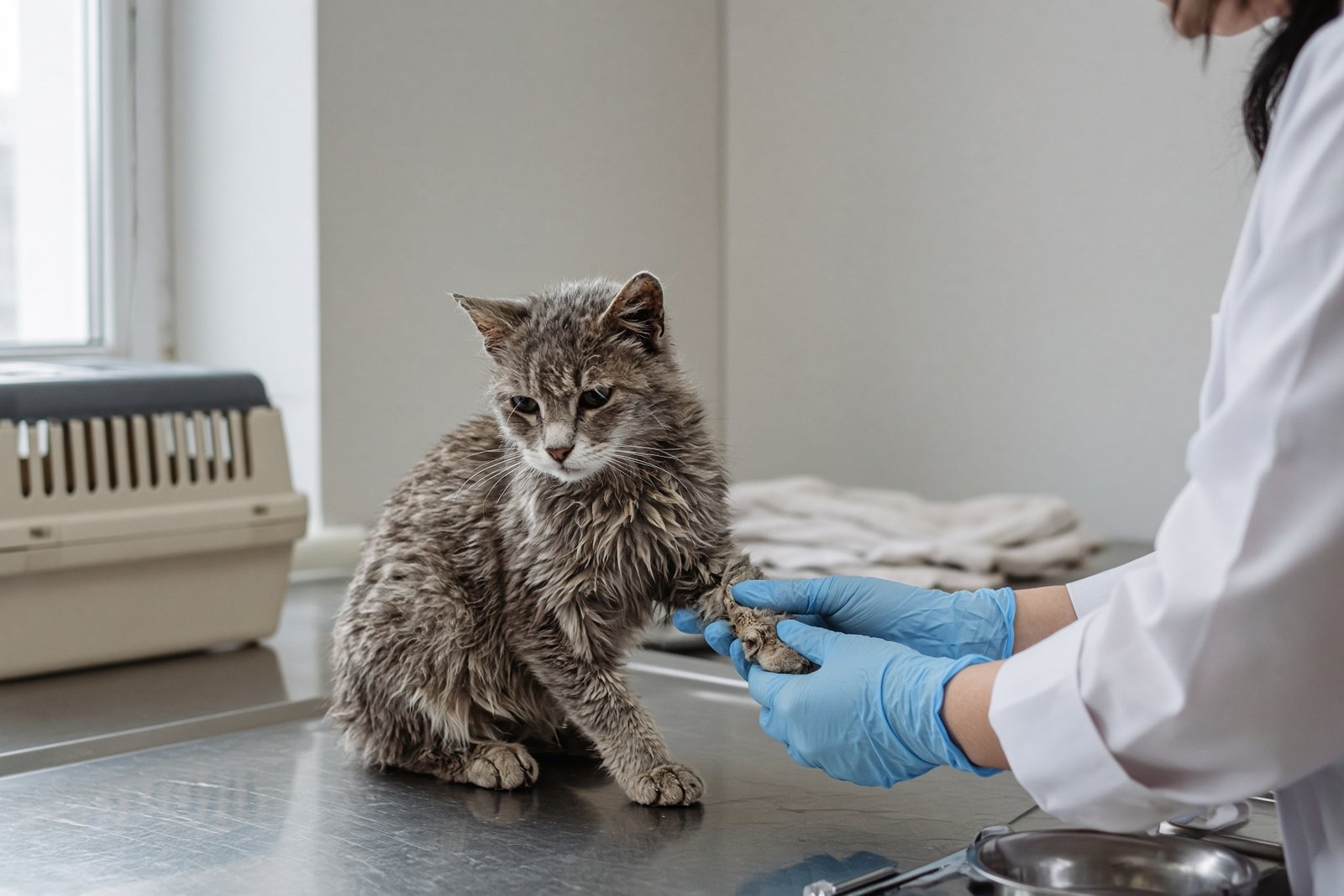
Alexander Lukashenko has stepped in to help four stray cats find homes. The filmed appeal may improve the animals’ chances, but it also draws attention to a much larger failure: Belarus has no coherent state system for caring for the thousands of cats and dogs taken from the streets.
The footage, circulated on 9 November 2026 by the Telegram channel Pul Pervogo, shows the Belarusian leader taking part in a social advertising campaign in Alexandria, an agricultural settlement. The four cats are presented to potential owners in the hope that they will be adopted.
For those animals, the publicity could have a direct benefit. Yet the episode raises a more difficult question. What happens to animals that are older, ill or simply less likely to attract attention when a camera is not present?
A law without the infrastructure to enforce it
Belarus has legislation against cruelty to animals, but the existence of a law has not produced a nationwide network of shelters, veterinary services, sterilisation programmes and adoption channels. Much of the official response instead centres on so-called temporary holding facilities for animals captured in towns and villages.
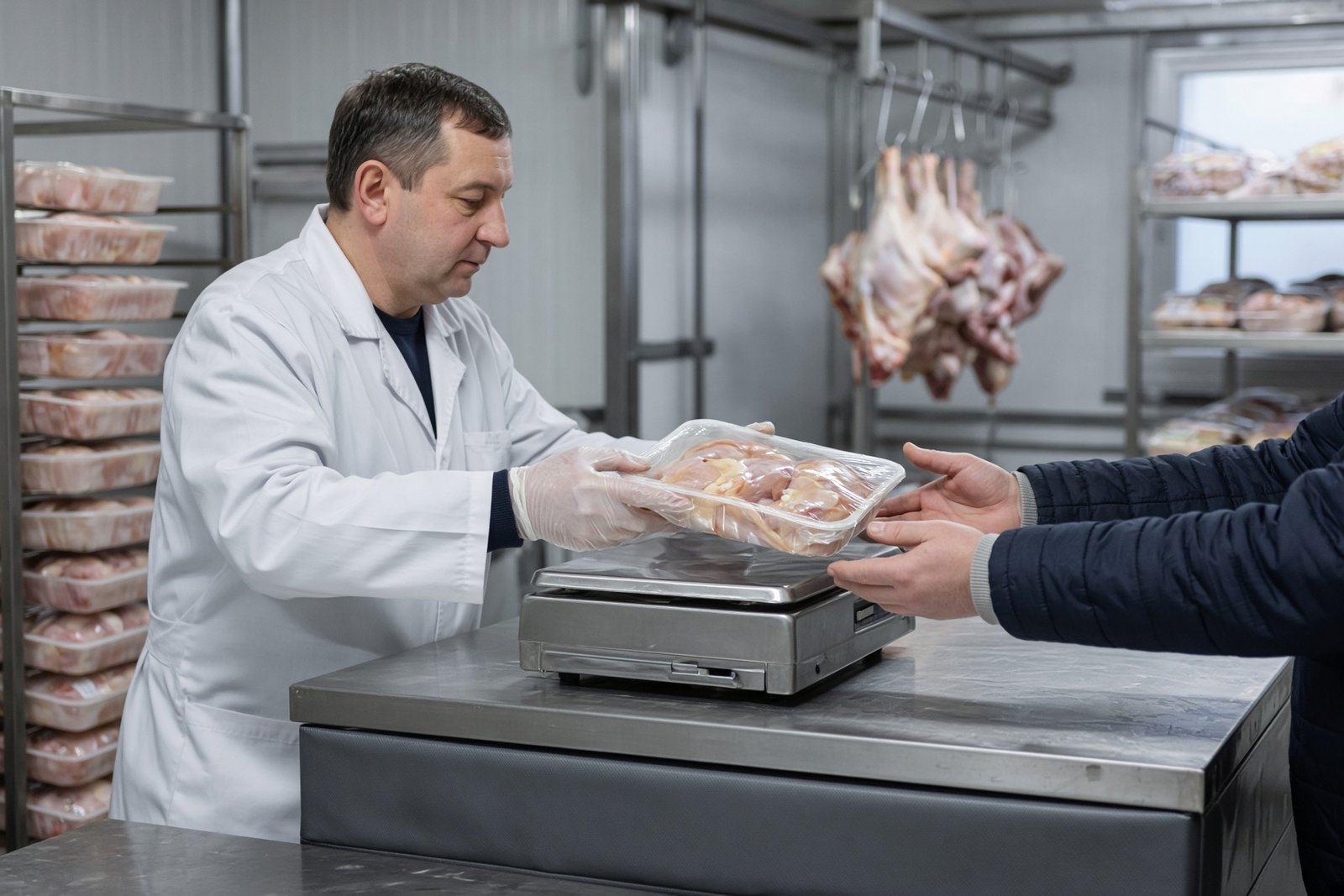
Animal-welfare advocates say the 63 such facilities have long been unable to cope physically with the number of animals brought to them. They argue that the system is designed primarily to remove animals from public spaces rather than to provide a reliable path towards treatment, long-term care and adoption.
The advocates also describe a practice in which captured animals may ultimately be euthanised when facilities run out of room. That is their assessment of how the system operates, not a verified account of the fate of every animal taken into custody. The publicly cited figures nevertheless indicate the scale of the pressure.
As of 1 October 2025, 20,025 stray animals had been captured in Belarus. The country had 63 temporary holding facilities. The numbers do not show how many animals were adopted, transferred or euthanised, but they point to a clear imbalance between the volume entering the system and the capacity available to care for them.
The figures were reported by Gazeta BY.
Belarus also has only one state shelter, Dobrik, described as coming even minimally close to international standards for the treatment of homeless animals. One centre cannot provide a national solution. A functioning system would need regional facilities, medical treatment, sterilisation, registration and transparent arrangements for rehoming animals.
The people keeping the system alive
In the absence of that network, private volunteers take on much of the practical work. They establish shelters, buy food, pay veterinary bills and search for new owners. Their efforts can determine whether an individual animal receives treatment or disappears into an overcrowded holding facility.
But those who run independent shelters are not simply left to cope on their own. According to the available reporting, they may face tax demands linked to the animals in their care, as well as repeated threats of eviction. They also lack a fully recognised legal status that would give them a stable role in shaping or implementing public policy.
This creates an awkward division of responsibility. State services capture animals from streets and populated areas. Private individuals are then expected to provide food, accommodation, medical care and adoption services, often with limited funds and insecure premises.
A volunteer can rescue one animal, or several dozen. Without public financing, legal protection and access to official decision-making, volunteers cannot control the forces that keep replenishing the population of strays. Their work treats the consequences while the causes remain largely untouched.
Capture is not prevention
Animal defenders say the authorities focus on making streets and settlements appear clear of stray animals, rather than reducing the number entering the system. They criticise the lack of sustained public education on sterilisation and responsible ownership of domestic pets.
That matters because capturing animals does not stop unwanted litters, abandonment or neglect. New cats and dogs continue to appear unless owners are supported and required to prevent uncontrolled breeding, and unless abandonment is addressed through a system that people can use before an animal reaches the street.
More holding places alone would therefore offer only temporary relief. A durable policy would combine sterilisation, veterinary care, adoption services and public information with enforceable standards for state facilities. It would also need to give private shelters a clear legal framework and reliable access to support, rather than treating them as unofficial substitutes for public services.
The four cats from Alexandria are well suited to a social campaign. There are few enough to present individually, their need is easy to explain and the involvement of the president gives the appeal an unusually wide audience. That visibility may help them find homes quickly.
Animals outside the frame face a less straightforward path. Older or sick animals, and those that do not immediately attract adopters, require space, treatment and long-term care. None of those needs can be supplied by a single filmed appeal.
Lukashenko’s intervention may change the prospects of four cats. It does not expand the capacity of the 63 temporary facilities, establish a nationwide sterilisation programme or protect the volunteers carrying much of the burden. Until those gaps are addressed, Belarus will continue to have a highly visible rescue story without the durable system needed for all the animals that never make it onto camera.