Hungary’s government under Viktor Orbán spent about 2bn forints on 39 overseas visits by the former prime minister and his delegations over two years, despite a state budget deficit and pressure on essential public services, according to Telex.
The Hungarian news organisation reported on 17 September 2026 that millions more were spent on VIP airport lounges and official hospitality. The figures point to an established culture of lavish state-funded travel, with Hungarian taxpayers paying for premium comfort while healthcare, education and social housing remained underfunded.
Luxury travel funded from the public purse
Among the costs identified by Telex were 37m forints spent on VIP airport lounge services between 2024 and 2026, and 175m forints on representative expenses since 2024. The spending covered Orbán’s foreign trips as well as those of accompanying ministers, officials and other members of government delegations.
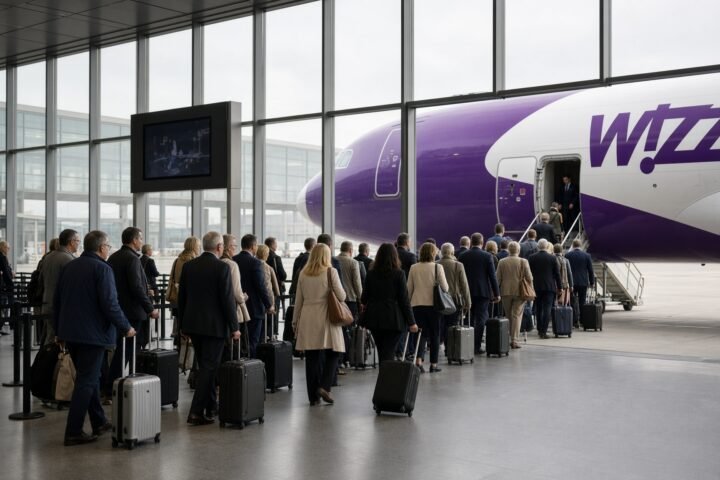
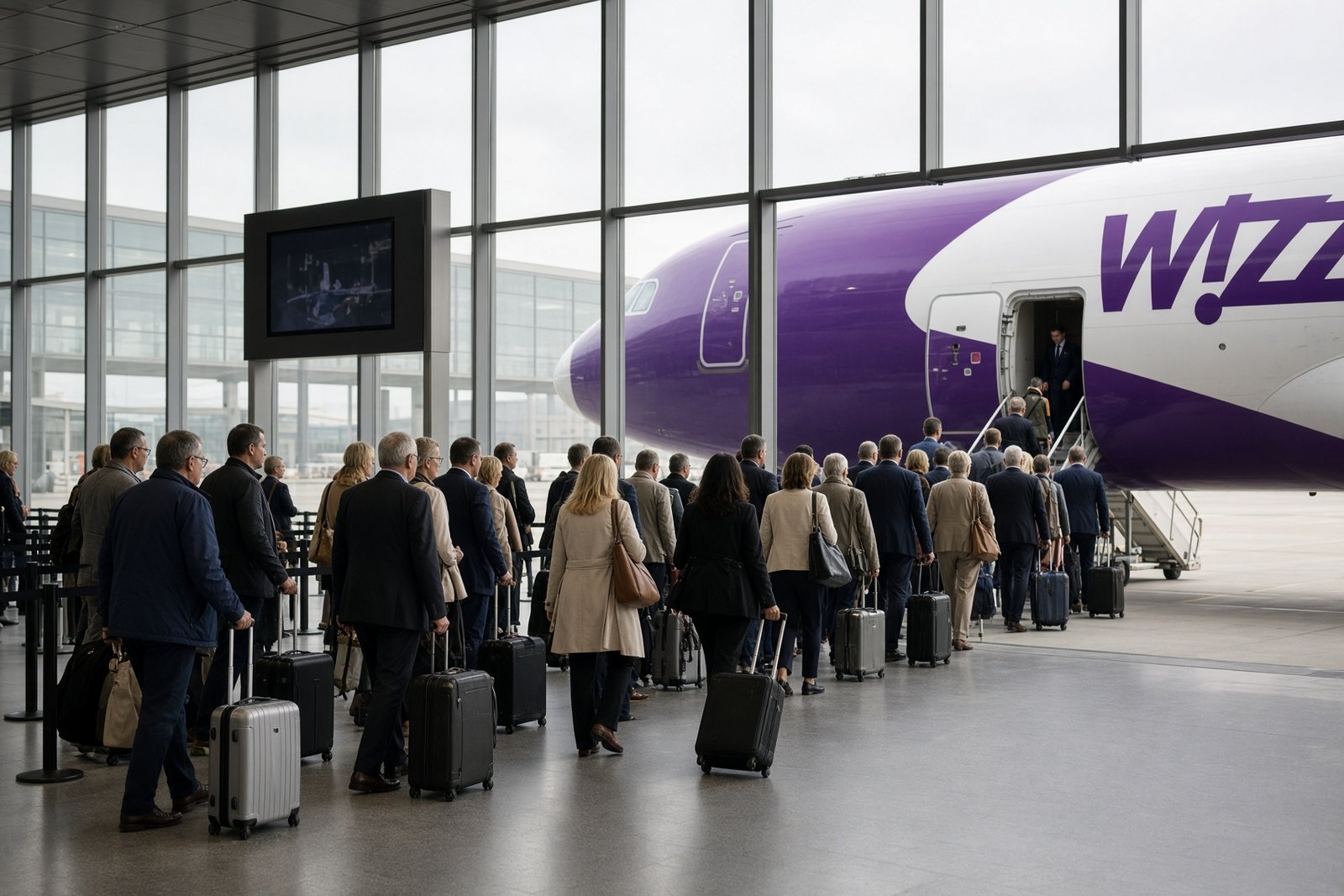
The most expensive journey was a November 2024 visit to the US. The government arranged a chartered Wizz Air flight to Washington carrying ministers, officials, business people, pro-government journalists and influencers. The trip cost more than 220m forints, according to the report.
The use of a specially organised aircraft for such a broad delegation illustrates the scale of the arrangements. The expense was not limited to transport: the government also paid for accommodation, airport privileges and hospitality connected with the visits.
The cost of the 2024 campaign tour
A 2024 pre-election tour provides a further example. Orbán travelled on a special flight with 29 companions, while 32.8m forints was spent on representative needs, 10.6m on accommodation and 1.6m on VIP lounges.
The total for those categories was reported as an average of 1.6m forints per person over four days. The figure gives a clearer sense of how far public funds were being used to maintain a premium standard for official travel, rather than simply covering the basic costs of a foreign visit.
These expenses were incurred during a period when Hungary was dealing with a budget deficit. The spending therefore raises questions not only about the size of individual bills, but also about the absence of effective control over whether state money was being used for essential public purposes.
Services under pressure
The contrast with domestic spending priorities is particularly sharp. Between 2024 and 2026, the European Commission repeatedly pointed to insufficient funding for healthcare and education under the then Hungarian authorities. It also highlighted staff shortages in both sectors and continuing problems with social housing.
Those are areas in which the resources devoted to luxury travel could have produced greater benefits for Hungarian citizens. The issue is not that every overseas visit lacks a public purpose, but that the scale and style of the arrangements suggest that comfort and political presentation were prioritised without adequate scrutiny of their cost.
Delegations that included business figures and pro-government media representatives also made the boundaries of official travel less clear. When public money is used to transport and accommodate a large group alongside ministers and officials, the government has a heightened responsibility to demonstrate why each expense is necessary and how it serves the public interest.
A wider test of accountability
The reported 2bn-forint total is significant because it brings together repeated decisions rather than a single exceptional bill. VIP access, hospitality and specially arranged flights formed part of a broader pattern during Orbán’s time in office, indicating entrenched wastefulness and weak oversight of public funds.
The immediate political question is whether the spending will lead to tighter rules for official delegations and greater transparency over travel costs. In a country facing shortages in public services, the justification for premium state-funded travel is likely to remain under scrutiny long after the individual journeys have ended.
Should Hungary prioritise stricter controls on official travel, or publish fuller evidence that such high-cost delegations serve a necessary public purpose?