Challenges ahead for Chancellor John Healey as economic uncertainties linger
Chancellor John Healey confronts a difficult economic landscape as he navigates mounting challenges surrounding public finances and government spending, reports BritPanorama.
Healey, who has replaced his predecessor Rachel Reeves, faces pressing promises not to raise income tax, national insurance, or VAT, along with pledges to maintain day-to-day borrowing limits. This reality is compounded by an economy strained by external pressures and a Labour party reluctant to endorse significant spending cuts.
While Reeves faced considerable unpopularity as Chancellor, Healey is keen to avoid a similar fate. A notable sign of his unease with the current fiscal situation emerged when one of his senior aides sought informal advice from Reeves’ former advisors over drinks, illustrating the challenging path ahead.
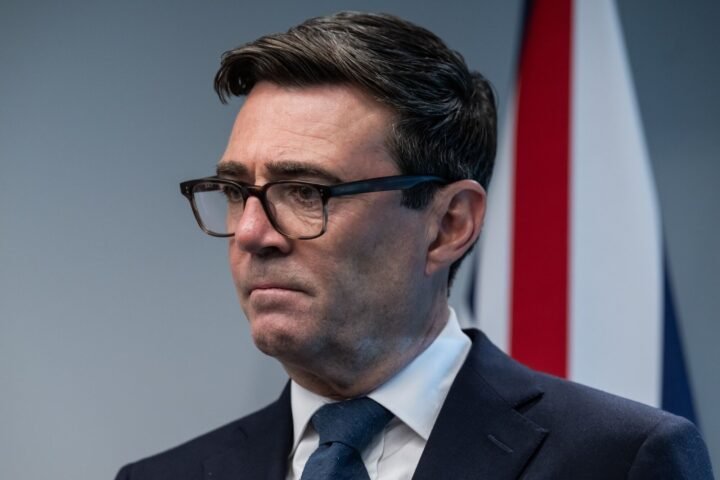
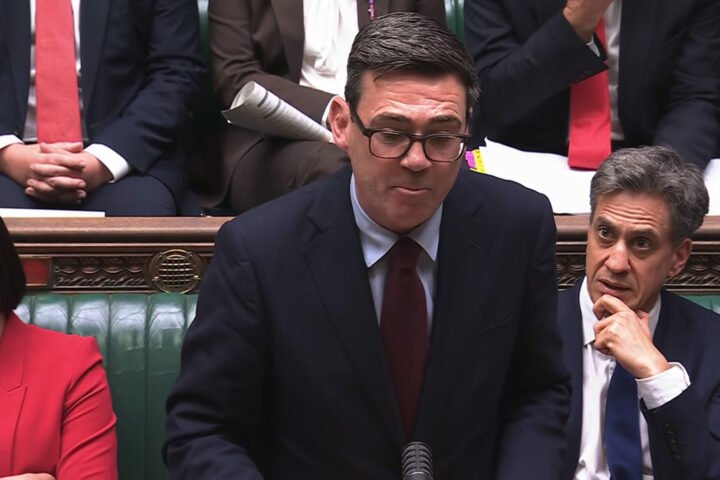
As many Labour MPs yearn for a break from the challenges of the Starmer leadership, they are encountering familiar struggles. A Labour MP articulated the sentiment succinctly: “The fundamentals are pretty hard. People are going to be poorer, and frankly, the policy programme looks a lot like Rachel’s.” Observations about new Prime Minister Andy Burnham suggest the leadership approach has little distinct differentiation from previous periods.
Top economist Andy Haldane has raised eyebrows within Downing Street, characterizing the new government as a “traditional tax and spend socialist government with better TikToks,” prompting further scrutiny of Labour’s economic strategy.
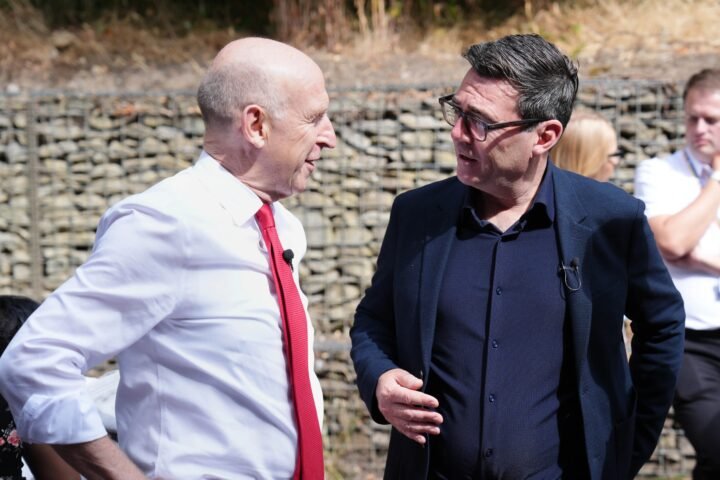
Despite the challenging economic climate, there appears to be a concerted effort from Burnham and Healey to engage their MPs, diverging from Starmer’s often adversarial approach. Labour MPs report a shift in tone from No10, with more efforts made to solicit input and convey clarity regarding economic realities ahead of the Budget.
The government is encouraging ministers to connect individually with backbench MPs, fostering a sense of collaboration previously absent. This proactive strategy aims to reassure parliamentarians as difficult decisions regarding public spending loom.
There remains, however, an underlying tension regarding the upcoming Budget. While some Labour MPs express readiness to accept fiscal constraints, there is concern over how many challenging decisions Healey will ultimately make and the delay in addressing key economic questions has generated speculation about an early election. One senior Labour MP remarked, “This Budget isn’t going to be dealing with any of the big questions,” revealing anxiety about the administration’s strategy.
Of particular note is Healey’s stance on defense spending. His recent shift from Defence Secretary to Chancellor places him in the position of reconciling his previous demands for increased military funding with the Treasury’s budgetary constraints. Observers of his tenure as Defence Secretary recall his insistence on allocating three percent of GDP to defense by 2030, and now the expectation falls on him to find the necessary funding while managing competing priorities for public resources.
The looming specter of rising living costs poses an ongoing dilemma as Healey and Burnham strive to deliver tangible relief while grappling with the complexities of public perception. Some MPs caution against the expectation that lowering energy bills will be straightforward or impactful enough to register with constituents.
Officials within the Treasury assert there is a notable shift in morale under Healey’s leadership, suggesting that optimism could play a critical role in fostering public and parliamentary confidence in economic policy. “John isn’t doom and gloom,” one Treasury official remarked, underscoring the potential significance of morale in public finance discussions.
Healey’s approach appears more personable than that of his predecessor; he reportedly engages more directly with staff and takes time to connect with union representatives, suggesting a deliberate effort to build rapport and mitigate dissent.
Ultimately, the forthcoming period will reveal whether a more inclusive and conciliatory style of governance under Burnham and Healey can yield the necessary outcomes in a familiar landscape of fiscal constraints.
As the dynamics within the Labour Party evolve, MPs reflect on how the early periods of this administration create temporary goodwill but underline the necessity of making hard decisions soon. “The problem with both is that eventually you have to spend them,” one MP succinctly noted, illustrating the weight of expectations on the new leadership as they chart their course.
The challenges facing UK Labour are emblematic of broader economic trends, suggesting that while leadership style may shift, the fundamental issues requiring resolution remain strikingly similar.