Measles death reported in Pennsylvania amid outbreak concerns
A girl born in Pennsylvania with a rare neurological disorder called Amish lethal microcephaly died of measles at around six weeks of age, the Lancaster County coroner announced on Friday, reports BritPanorama.
Dr. Stephen Diamantoni, who confirmed the infant’s death, noted that Amish lethal microcephaly predisposes infants to severe respiratory infections, which often lead to fatal outcomes. This case is one of two measles-associated deaths reported in Pennsylvania, provoking scrutiny from federal and state officials regarding definitions of measles-related fatalities. As of Friday, neither death has been included in the US Centers for Disease Control and Prevention’s (CDC) official measles death count for 2026.
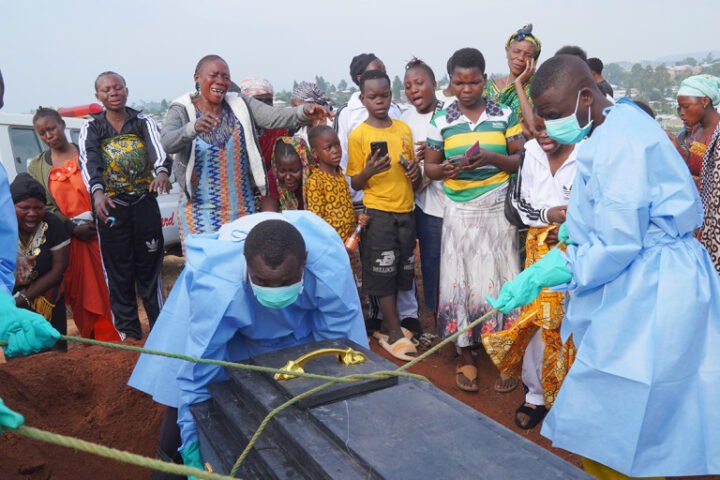
In a heightened health concern, the Pennsylvania Department of Health characterized the girl’s death and that of another newborn, who died from a ruptured spleen and tested positive for measles, as “measles-associated.” These instances represent the first reported measles-associated deaths in Pennsylvania in 35 years, drawing attention to the ongoing measles outbreak in the state.
The designation of “measles-associated” employed by state health officials implies the presence of laboratory or epidemiologic evidence of measles while the official cause of death remains under investigation. Diamantoni clarified that his office does not recognize this category, maintaining that the second infant’s death was due to a lacerated spleen rather than measles, based on forensic findings.
Last week, a reporter interviewed the parents of the second newborn; they claimed that the child died due to measles following a severe infection suffered by the mother. This has raised questions about public perceptions of measles and its dangers, particularly as experts warn that the current outbreak is larger than reported, with only 400 confirmed cases linked to the recent surge.
Dr. Paul Offit of the Children’s Hospital of Philadelphia emphasized that while underlying conditions complicate the correlations, the measles virus played a direct role in the timeline of the girl’s unfortunate passing. Current public health guidance indicates an expected death rate of 1 to 3 for every 1,000 measles cases, suggesting that the mortality rate could escalate if unreported cases proliferate.
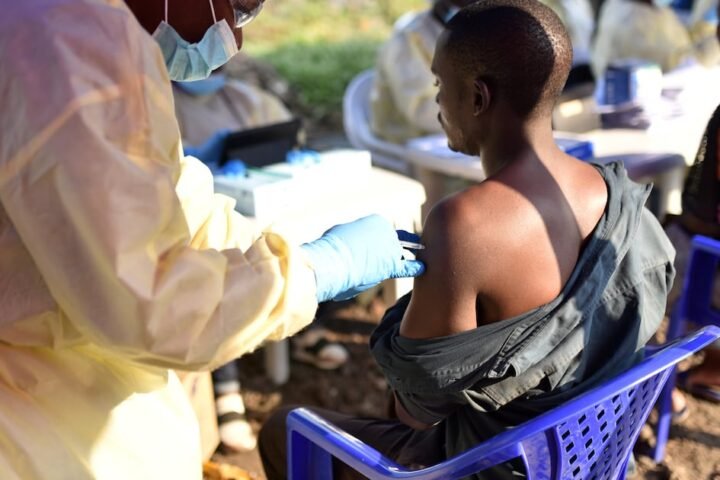
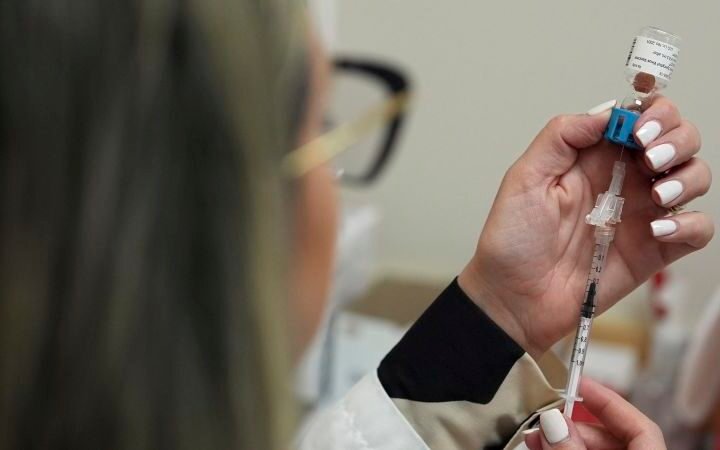
The Pennsylvania Department of Health currently reports 577 measles cases statewide, all within unvaccinated populations. With the flu season approaching and children returning to schools, concerns are mounting among health officials. They note that infants, who are particularly susceptible to measles, usually receive the first dose of the recommended MMR vaccine at around one year of age, though this may be adjusted during outbreaks.
Dr. Debra Bogen, Pennsylvania’s secretary of health, expressed condolences to the families impacted by these distressing losses, reaffirming her commitment to ongoing efforts addressing the outbreak and promoting vaccinations. Meanwhile, US Health and Human Services Secretary Robert F. Kennedy Jr. has come under criticism for suggesting that the reported deaths may have been fabricated for political gain, a claim that has been met with backlash from various quarters.
The broader implications of these deaths and the outbreak highlight ongoing challenges in the conversation surrounding vaccination and public health, underscoring the complexity of managing measles in vulnerable populations. As the outbreak unfolds, health experts urge vigilance and adherence to vaccination protocols in the face of a resurgent public health threat.