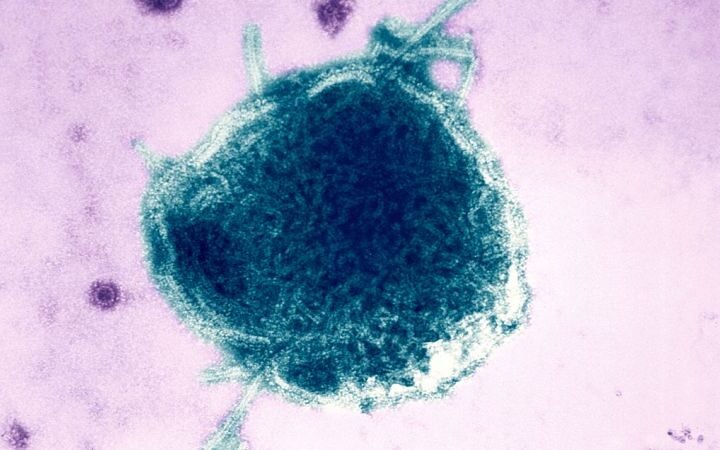
As respiratory viruses such as Covid-19, influenza, and RSV are set to impact the upcoming school season, health authorities are emphasizing the importance of vaccination, reports BritPanorama.
This time of year typically sees the US Centers for Disease Control and Prevention (CDC) launching a fall vaccination campaign. However, under the current administration, the agency has not made significant announcements regarding seasonal immunizations. In recent years, the CDC shifted away from broad vaccine recommendations for Covid-19, instead advising individuals to consult healthcare providers regarding their vaccination status.
Recently, the CDC updated its clinical guidance for the flu shot, reaffirming recommendations from the July 2025 immunization schedule for the 2026-2027 season. Notably, the guidance does not address the newly approved mRNA flu vaccine for older adults, leaving a gap in information during this crucial period.
To address this lack of communication, the American Medical Association and the University of Minnesota’s Vaccine Integrity Project have initiated independent reviews of this fall’s vaccines, including those for flu, Covid-19, and RSV. These findings were published in the medical journal JAMA, offering additional guidance to healthcare providers.
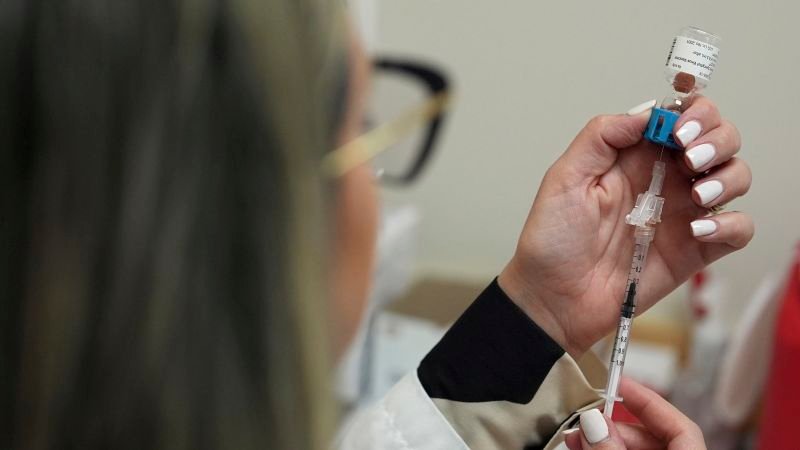
The review played a role in shaping the new immunization recommendations released by multiple medical organizations, highlighting which vaccines are advisable and ideal timelines for administration. Flu and RSV immunizations are now available at major pharmacies, with updated Covid-19 shots having recently received FDA approval.
Insurers have confirmed they will cover the cost of these vaccines, reinforcing their accessibility. “Vaccines are one of medicine’s greatest success stories,” stated Dr. Sarah Nosal, president of the American Academy of Family Physicians. She urged individuals to stay informed about immunization options, emphasizing the ongoing importance of maintaining public health as seasonal viruses resurface.
RSV immunization
Who should get it
The recommendation for RSV immunization is aimed at older adults, pregnant individuals, and infants. “People aged 50 and older with high-risk conditions, as well as everyone over 75 years old, should receive one dose,” said Dr. Nosal, clarifying that this is not an annual vaccine. Infants are advised to receive RSV vaccinations using monoclonal antibodies unless their mothers were vaccinated during pregnancy.
Healthcare professionals underscore the importance of vaccination in preventing severe disease among immunosuppressed individuals, who face a higher risk than the general population.
When to get it
RSV vaccinations for older adults are suggested for administration in late summer and early fall. Changes in guidance for pregnant individuals now recommend the maternal RSV vaccine Abrysvo be given from September 1 through March 1.
Seasonal flu shots
Who should get it
Annual flu shots are recommended for everyone aged six months and older. Studies suggest that flu vaccines reduce the risk of requiring a doctor’s visit by 30% to 60%, according to health experts.
For older adults, the use of enhanced flu vaccines is advised when available, and for the first time, an mRNA-based flu vaccine is now available for adults over the age of 50.
Pregnant individuals are advised to receive flu vaccinations, specifically the inactivated or recombinant versions, while avoiding nasal spray formulations.
When to get it
The optimal time for flu vaccinations is October, with some healthcare providers promoting reminders for vaccinations ahead of Halloween.
Updated Covid-19 vaccines
Who should get it
Adults, particularly those over the age of 65 or those at increased risk for severe Covid-19 infection, are encouraged to receive updated vaccines. This seasonal update is crucial for maintaining effective immunity against new variants.
Healthcare providers suggest waiting four to six months after a recent Covid infection before receiving the vaccine to maximize effectiveness.
The updated vaccine aims to target the most recent circulating strains, emphasizing the need for regular updates akin to software updates for computers.
As health organizations continue to evolve their guidance, a focus on vaccination remains paramount to safeguarding public health during the respiratory virus season.