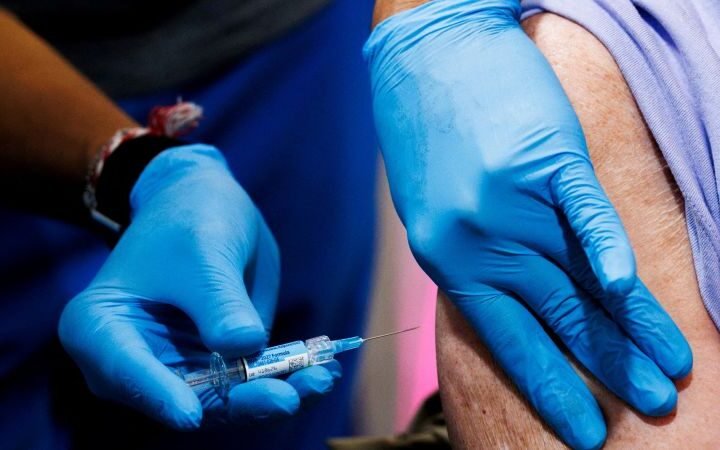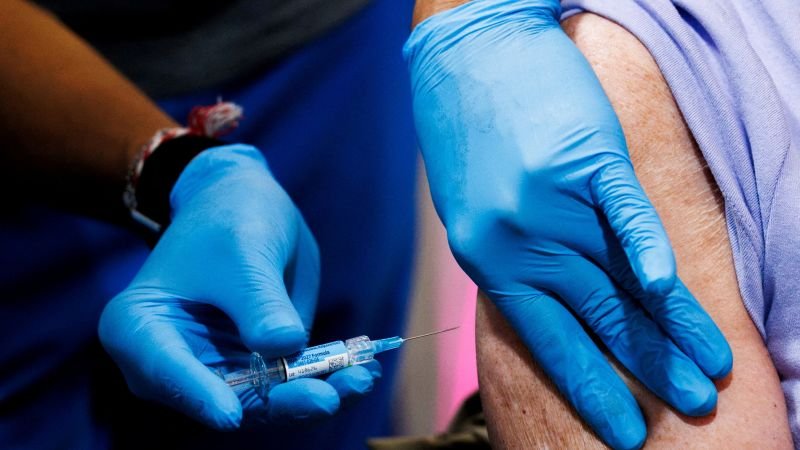
Flu season is seeing an early surge across the United States, driven by a mutated virus, raising concerns among health officials and prompting calls for vaccination, reports BritPanorama.
This year’s flu season commenced approximately two and a half months ahead of the typical schedule. Notably, outbreaks have been concentrated on the West Coast, an unusual pattern, according to Dr. Alex Greninger, head of the Division of Infectious Disease Diagnostics at the University of Washington’s Department of Laboratory Medicine. While it is common for the flu to start in the southern states, often Florida, the early onset in the Pacific region signals a shift.
“In Seattle, we’re pretty far north. We see a pretty strong peak in January,” Greninger noted, explaining that the bulk of their cases usually occur from late December through February. However, he indicates that this year’s trajectory is different.
‘January levels of flu’
Recent data from the Washington State Department of Public Health shows that roughly one in ten individuals tested for the flu in the past week returned positive results. “We’re basically seeing January levels of flu in the last week,” Greninger stated.
Further analysis from Walgreens indicates that the current flu season is tracking about four weeks ahead of previous seasons nationwide, resulting in an increase in antiviral prescriptions and cough and cold medications compared to the same period last year. Nationally, about 2.1% of doctor visits last week were attributed to influenza-like illness, a figure that remains below the national baseline as the virus has not yet fully escalated.
“All of the Pacific states, I would say, started their season very early, but we are now seeing as the season progresses a spread eastward, and so all regions of the country are seeing increases at this point,” said Dr. Caitlin Rivers, an epidemiologist at Johns Hopkins Bloomberg School of Public Health.
In regions including Arizona, California, Hawaii, and Nevada, the positivity rate for flu tests reached at least 10% last week, highlighting significant flu activity. The South appears to be catching up rapidly, according to Rivers, who tracks the flu through her newsletter.
A dominant strain
The ongoing flu outbreak in the Pacific states is primarily attributed to the H1N1 virus, which caused a pandemic in 2009. Greninger reported that H1N1 now represents around 98% of the samples received in his laboratory.
Moreover, the H1N1 viruses have developed a genetic mutation that enhances their ability to evade immune responses. This variant has already contributed to significant disruptions in Japan, resulting in school and daycare closures, and has prompted local health officials to expedite vaccination efforts to protect the population.
It is worth noting that this specific mutation, occurring at location G155E, appeared after strains were selected for this year’s flu vaccines. As a result, while the vaccines are aimed at a version of H1N1, there remains a risk of the virus circumventing vaccination efforts.
Get vaccinated now, experts say
Greninger emphasized that advancements during the Covid-19 pandemic have equipped health authorities with the tools to track viral variants almost in real-time. “We’re getting closer and closer to the weather report, right?” he remarked. This ability underscores the urgency for developing vaccines more swiftly in response to emergent strains.
Indeed, the strains included in the current flu shots were identified well ahead of the newly emerging variant’s threat, chosen in spring before it could be accounted for. Greninger explained that this early selection is largely due to the traditional manufacturing process, which remains economical but less responsive to rapid changes.
There is a recently approved flu shot utilizing mRNA technology, which could allow for quicker updates in vaccine formulation. Greninger advised that the best time for vaccination was ideally two to three weeks prior, underscoring the need for proactive public health measures. “A lot of people, like even myself, would wait until late October, which we’re sort of in already,” he said.
Dr. Rivers echoed concerns about vaccination timing, noting that many may not consider receiving the flu vaccine so early in the season, which could influence the severity of the flu season as it progresses.
Looking ahead, Greninger suggested the potential for a second wave of flu cases following the peak of H1N1. “You’ll have H1N1 cases that will peak in 2026, and then who knows what comes in January or February or March,” he concluded, leaving the implications of this evolving situation to be observed closely.