Measles outbreak in Pennsylvania becomes deadliest in decades
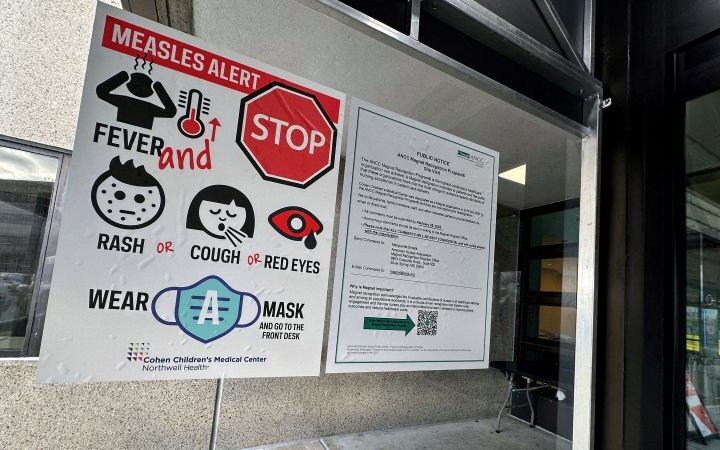
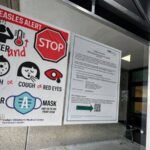
A widespread measles outbreak in Pennsylvania has now been identified as the deadliest and one of the largest in the United States in decades, with approximately 1,000 cases reported since April, reports BritPanorama.
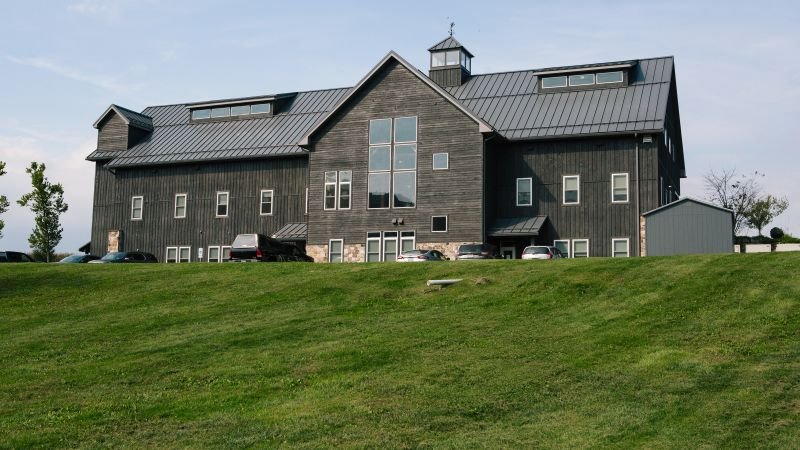
As cases surge, the Central Pennsylvania Clinic has become a focal point for the crisis, serving the community that includes many Amish families noted for lower vaccination rates. Dr. Katherine Mascia, a physician at the clinic, expressed deep concern over the unprecedented number of patients being admitted for measles-related complications, explaining, “In the five years that I’ve worked here, I don’t think we’ve had so many patients admitted to the hospital all within the span of a few weeks.”
Despite the alarming situation, a stark contrast exists within the community dynamics. While sellers at local events engage in commerce and discussions, the severity of the outbreak is palpable just a mile away at the clinic, where Dr. Mascia begins each appointment with the inquiry of symptoms, often greeted with distress from patients and families.
The outbreak has claimed five lives, raising tensions between federal and state authorities, as discussions about the definition of measles-related deaths complicate public health messaging. Some community leaders say the trust built between health services and the local population is vital in combating misinformation and promoting vaccination, crucial for breaking the spread of measles.
Community response to the crisis
Responses within the community illustrate a notable shift towards proactive health measures. In August, the clinic hosted pop-up vaccination events, resulting in significant turnout — more than two dozen vaccinated in mid-August and 73 the following month. The uptick in interest is attributed to heightened awareness following fatalities within Mifflin County.
The Central Pennsylvania Clinic operates with a strong foundation of trust developed over years, making their vaccination drives more effective than typical government-initiated efforts. “That shows me that this community does care about preventing those serious consequences,” Dr. Mascia noted, highlighting the importance of community engagement in healthcare.
Confronting logistical challenges
Despite the clinic’s efforts, logistical challenges persist. The facility is not entirely equipped to handle measles patients, the lack of advanced ventilation systems posing a risk to others in the clinic. The need for extensive testing for confirmation of cases adds another layer of complexity for staff, who are already stretched thin with growing case loads.
Moreover, the ongoing outbreak has placed stress on local healthcare systems. Dr. Mascia recounted instances of patients being diverted to other hospital systems due to emergency departments reaching capacity, a situation that has become increasingly common during this outbreak.
As community members express their health concerns, especially regarding measles, the clinic is adapting to ensure trust remains intact. Regular house visits support vulnerable patients, but concerns over potential exposure during the ongoing outbreak have influenced community members to request these visits more frequently, underlining a delicate balance between patient needs and safety.
Financial implications amid a health crisis
The economic impact of the measles outbreak extends beyond health concerns, affecting fundraising efforts essential for the clinic’s operations. Significant community-led auctions that typically contribute to the clinic’s budget have seen decreased participation, as community members avoid gatherings for fear of illness.
Clinic executive director Louise Yoder observed that “people are sick and not wanting to go to events like this,” indicating a direct correlation between health crises and the financial stability of healthcare providers in underserved populations. The clinic, which primarily relies on donations, faces a challenging road ahead as they navigate both patient care during the outbreak and financial sustainability.
As events continue to unfold, the resilience and adaptability of the Central Pennsylvania Clinic highlight the critical interplay between public health strategies and community trust during this ongoing public health crisis.